

-
The project expected to be on the outskirts Istanbul’s European side
-
43,000 ships pass through the strait every year
Turkish President Recep Tayyip Erdogan launched on Saturday, June 26, a canal project that has an outlay of $15 billion, said local reports.
Erdogan laid the foundations of a bridge over the planned route to mark the formal launch of the project, called Kanal Istanbul.
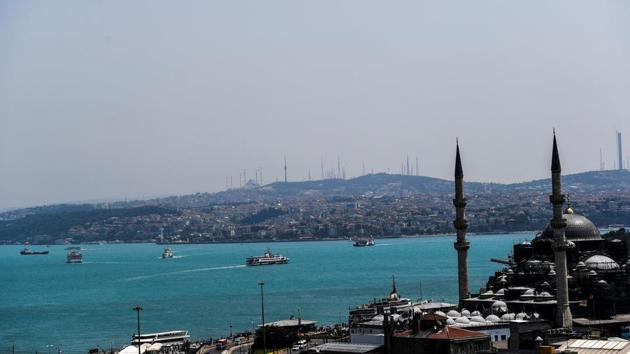
The project reportedly is aimed at relieving traffic pressure on the Bosphorus Strait, which connects the Black Sea to the Sea of Marmara. It also divides the Asian and European sides of Istanbul, which 15 million people call home.
The canal is expected to be on the outskirts of the European side of Istanbul, and provide an alternative to the Bosphorus Strait as a connection between the aforementioned water bodies.
Erdogan was quoted by the reports as saying: “We view Kanal Istanbul as a project to save Istanbul’s future.”
The Turkish government is reportedly of the opinion that it is becoming more and more hazardous for tankers to navigate through the narrow strait.
The strait already sees 43,000 ships pass through it every year, said the reports adding that this is way more than the 25,000 vessels that the government considers safe.
While this already causes longer waiting times, things may get far worse as estimates say the number will rise to 78,000 by 2050.