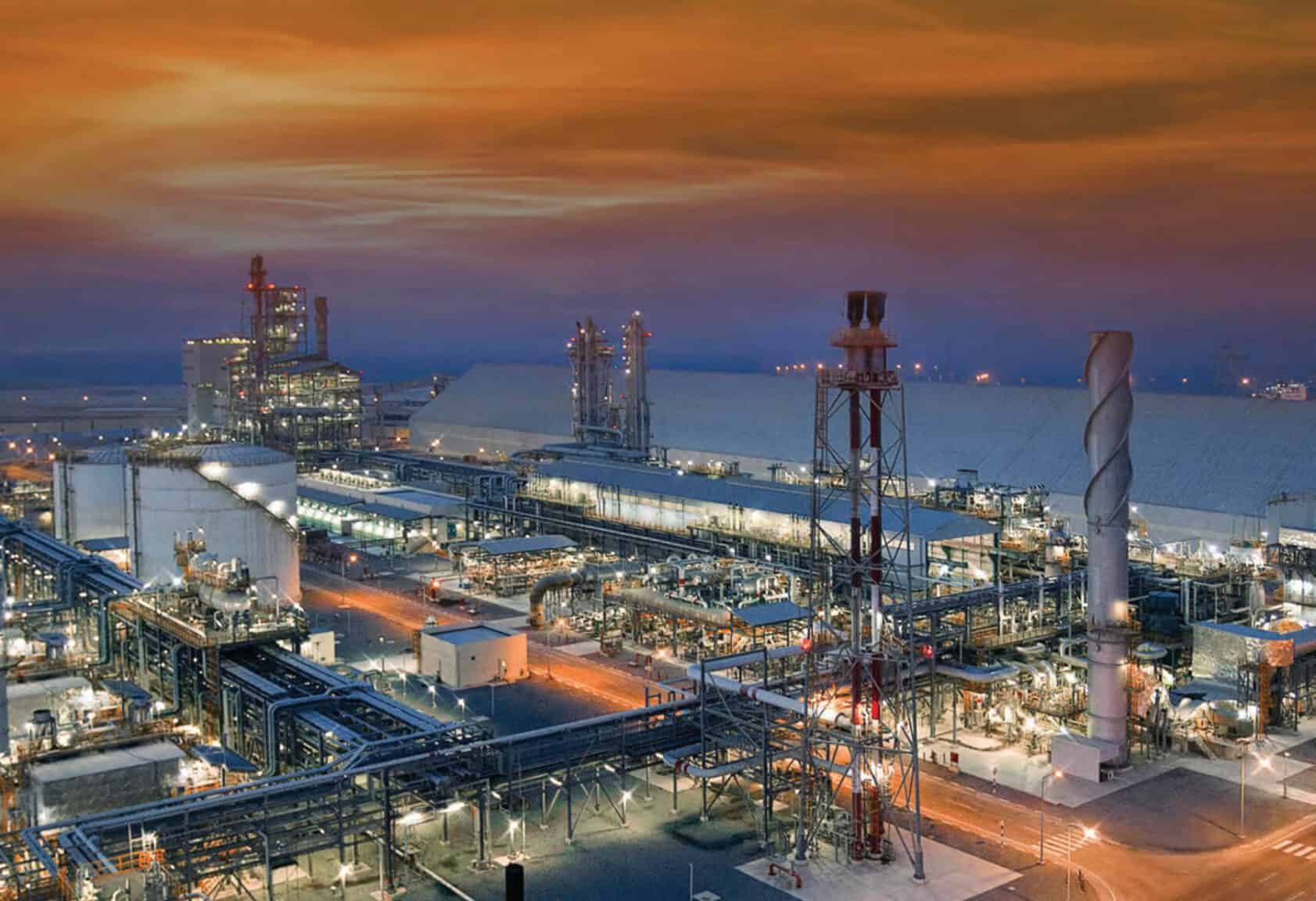

Abu Dhabi, UAE–Abu Dhabi Chemicals Derivatives Company (TA’ZIZ) signed a shareholder agreement with Fertiglobe, GS Energy Corporation (GS Energy) and Mitsui & Co (Mitsui) to develop an anticipated 1 million tons per annum low-carbon ammonia production facility at the TA’ZIZ Industrial Chemicals Zone.
Low-carbon ammonia is made from hydrogen derived from natural gas feedstocks and nitrogen, with the carbon dioxide produced captured and stored. Ammonia can be used as a low-carbon fuel for applications, including transportation and power generation and in industries, such as steel, cement and fertilisers.
The project will benefit from the UAE’s position as a major producer and reserves holder of natural gas and leader in Carbon Capture, Utilisation and Storage (CCUS), which uses advanced technology to prevent CO2 from entering the atmosphere after it is expended in industrial processes.
ADNOC operates Al Reyadah, the region’s first industrial-scale CCUS facility, with an 800,000 tons per year of CO2 capture capacity.
The total investment in the first phase of TA’ZIZ will be in excess of $5 billion (AED18 billion), with most of the chemicals produced to be created in the UAE for the first time. All agreements are subject to regulatory approvals.