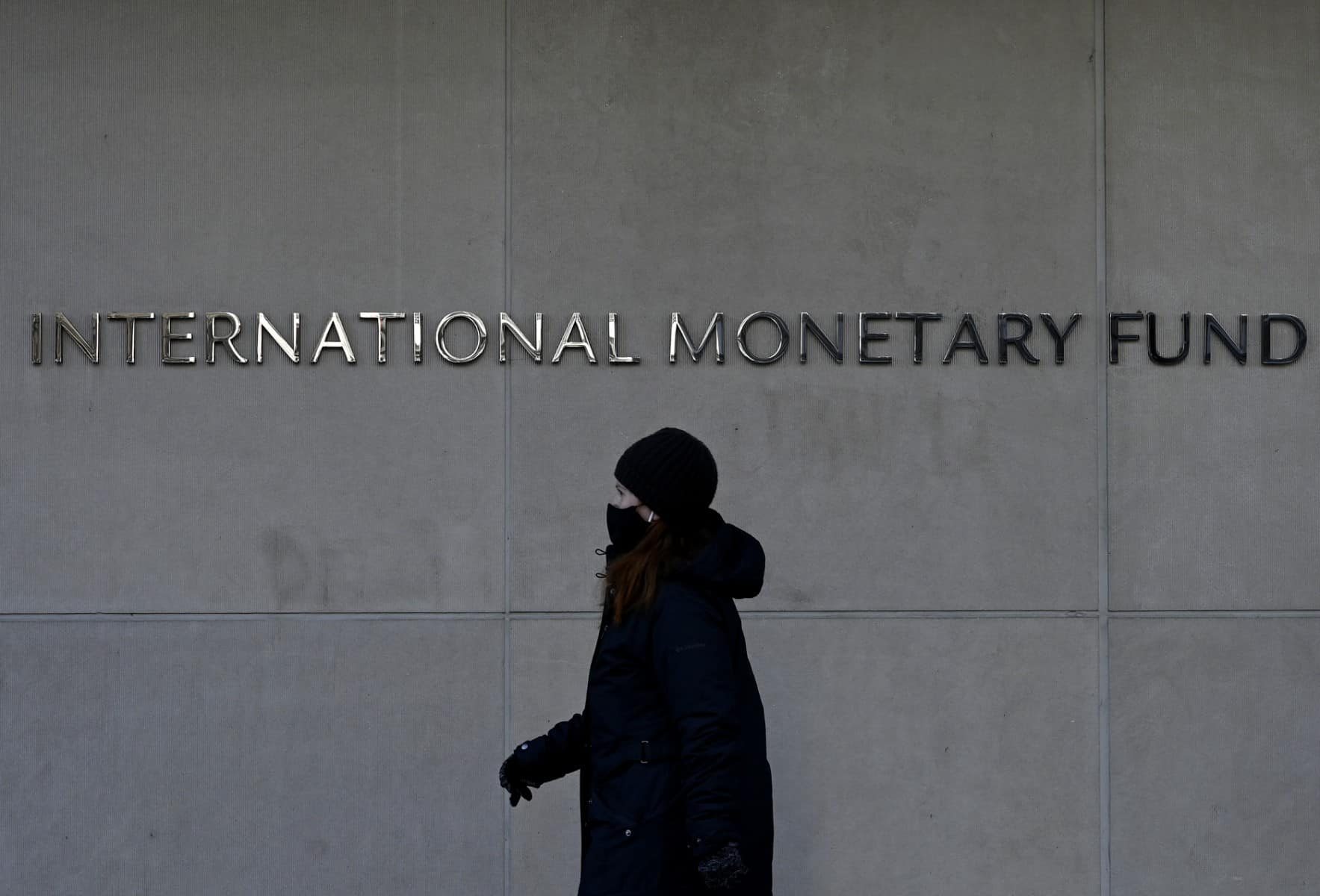

Amman, Jordan–The International Monetary Fund (IMF) has applauded Jordan for its tight monetary and financial policies that have ensured macroeconomic stability and access to international capital markets.
The IMF made the remarks at the end of their visit to Jordan after conducting the sixth performance review of the government’s economic reform programme supported by the Extended Fund Facility (EFF).
The IMF team stated that they reached an agreement at the expert level regarding the sixth review of the economic reform programme and that the review completion would up the total payments of the IMF as part of the programme to about $1,750 million.
Jordan’s programme supported by the IMF is “still on the right track,” the statement reads, with quantitative targets achieved supported by “strong” performance on structural benchmarks.
It noted that the Jordanian government reduced the primary deficit (excluding grants) by 0.8 per cent of GDP for 2022.
The Fund praised the success of the Central Bank of Jordan (CBJ) in maintaining monetary and financial stability.
The Fund noted that the economic recovery from the COVID-19 pandemic is ongoing in Jordan, expecting GDP growth to reach about 2.6 per cent in 2023, which is considered insufficient to improve Jordanians’ livelihood.