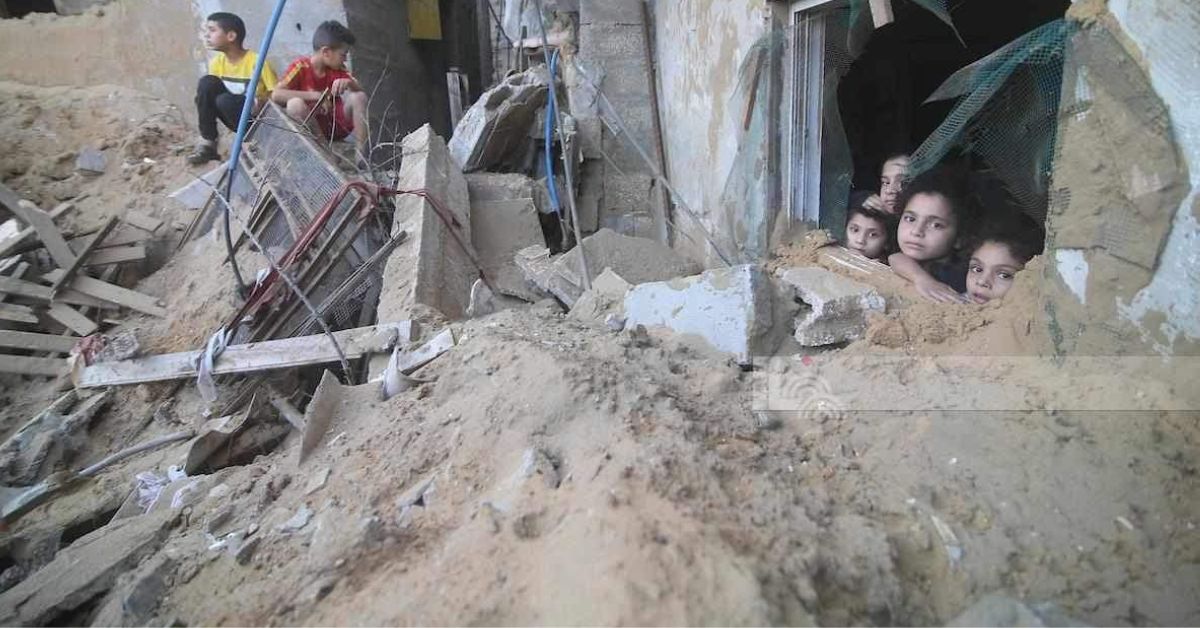

BEIRUT — The recent conflict between Hamas and Israel has not only sent political shockwaves across the globe but has also ignited concerns about the potential economic fallout. The business world is watching it with bated breath, anticipating the long-term economic implications of this confrontation.
For over a decade, Israel believed the Palestinian issue had been put to rest. This sentiment was fueled by their intense focus on Iran and the perceived passivity of the Palestinian people. However, the recent events have shattered this illusion, revealing a complex geopolitical landscape with economic ramifications that could reverberate far beyond the Middle East.
Key economic highlights
Gaza’s GDP stands at $18 billion, with an alarming unemployment rate of 45%.
Israel’s projected GDP growth is 3.3% in 2024, as per an OECD report.
The World Bank’s Ajay Banga warns of the economic shockwaves of the Israel-Gaza conflict, emphasizing its potential to challenge central banks’ efforts globally.
The potential economic devastation of a leveled Gaza would be catastrophic, with neither the Palestinian Authority nor Iran equipped to bear the cost. The international community, too, would be hard-pressed to respond.
Israel’s economic landscape is also under scrutiny. Despite a promising GDP growth projection, rising inflation and interest rates could dampen its economic prospects. The Israel-Gaza conflict’s influence on financial markets is evident, with a notable surge in dollar-denominated assets.
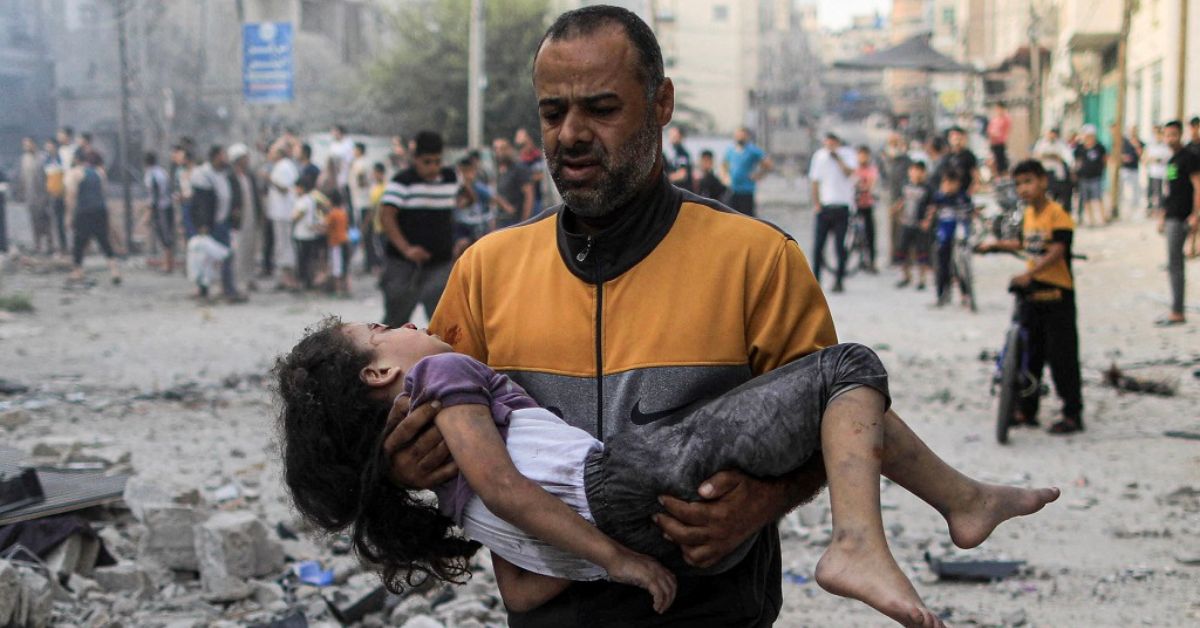
Furthermore, the geopolitical implications are vast. The anticipated normalization of relations between Israel and Saudi Arabia now hangs in the balance.
Meanwhile, global powers like Russia and China are seizing the opportunity to further their agendas, with Putin capitalizing on the media attention to divert from his Ukrainian conflict and in alliance with China, aiming for the establishment of a Palestinian state.
In a world where economies are intricately linked, the business implications of such conflicts are far-reaching. As Gideon Levi aptly notes in Haaretz, the repercussions of imprisoning two million Gazans are severe, with innocent civilians bearing the brunt of this prolonged conflict.
The Middle Eastern conflict’s business and economic implications are profound and multifaceted. As the situation unfolds, it’s crucial for businesses, investors, and policymakers to stay informed and prepared.
Dive into our comprehensive report for an in-depth analysis of the economic impact of this ongoing crisis. Don’t miss out on understanding the broader economic picture in this volatile landscape. Click here