
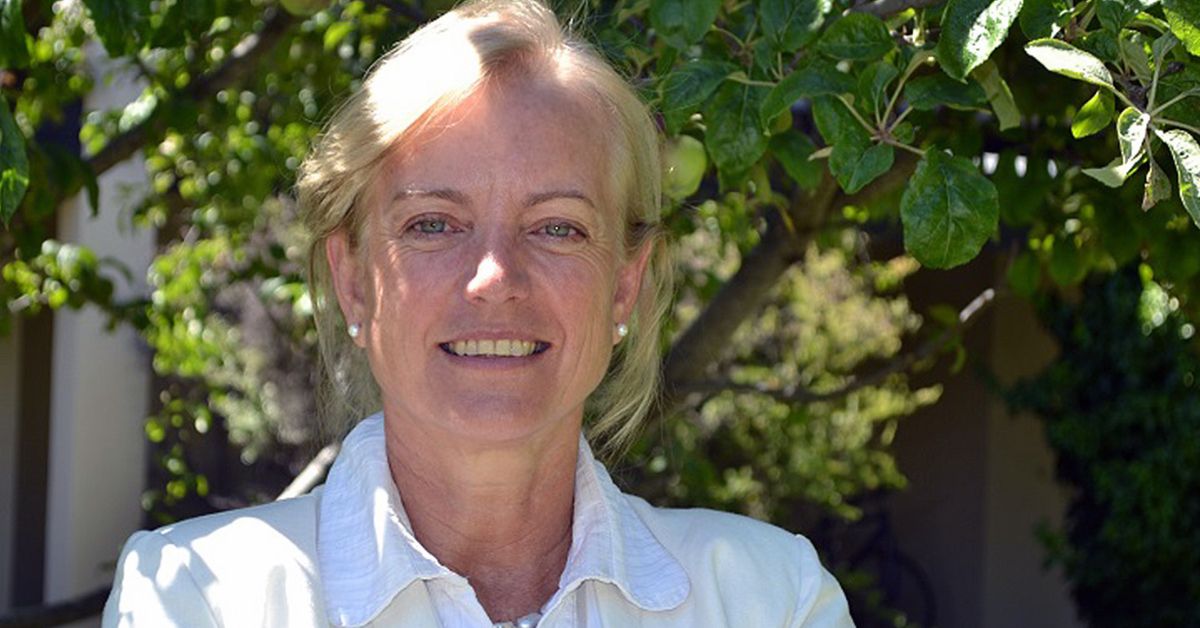
DUBAI, UAE – There is a need for a greater global collaboration, ethical considerations, and inclusive dialogue in the face of rapid technological advancements, Karen Hallberg, Research Director of Argentina’s Bariloche Atomic Center, told TRENDS in an interview.
Hallberg emphasized that the tension between technology’s potential for both good and harm is not a new phenomenon. “Since humans began to develop and work with their hands, every technology has had potentially dual uses,” she said.
This duality is evident in the rapid technological advancements of the last century, where the potential for misuse has grown alongside the potential for progress, she added.
Drawing a parallel with nuclear technology, Hallberg highlighted the stark contrast between its beneficial applications, such as energy production, and its destructive potential, as seen with atomic bombs.
“When (Italian-American physicist) Enrico Fermi discovered the nuclear fission in 1942, it showcased how controlled energy could benefit humanity. However, an uncontrolled chain reaction can lead to the creation of atomic bombs,” she said.
The key, according to Hallberg, is fostering dialogue and cooperation at all levels – from the general public and governments to academics and the private sector.
She stressed the importance of interdisciplinary discussions that incorporate scientific rationale and knowledge into policy-making. Such dialogues can guide the ethical development and application of technology, ensuring it serves the greater good.
Addressing the technological divide between the Global North and the Global South, Hallberg acknowledged the widening gap. She noted the migration of talent from regions like Latin America and Africa, emphasizing the need for a cultural shift towards greater collaboration.
“The pandemic has taught us the importance of collaboration. We live in a society where the world is shrinking, and we must recognize that we’re all in the same boat,” she stated.
AI is a question of power. Those who can manage big data have immense power, which can lead to a vast separation between powerful states and others.
Karen Hallberg, Research Director of Argentina’s Bariloche Atomic Center
Hallberg also touched upon the lessons from the atomic sector that could be applied to emerging fields like Artificial Intelligence (AI). Just as nuclear technology has both peaceful and destructive applications, AI, with its power to process vast amounts of data, can create significant disparities between nations.
“AI is a question of power. Those who can manage big data have immense power, which can lead to a vast separation between powerful states and others,” she warned.
To prevent such disparities, Hallberg called for timely regulations that keep pace with technological advancements.
She emphasized the importance of diverse representation in these discussions, particularly voices from the Global South, women, and other minority groups.
“Our voices need to be heard. We lack representation in many forums, and it’s crucial for our perspectives to be included in global discussions,” she said.