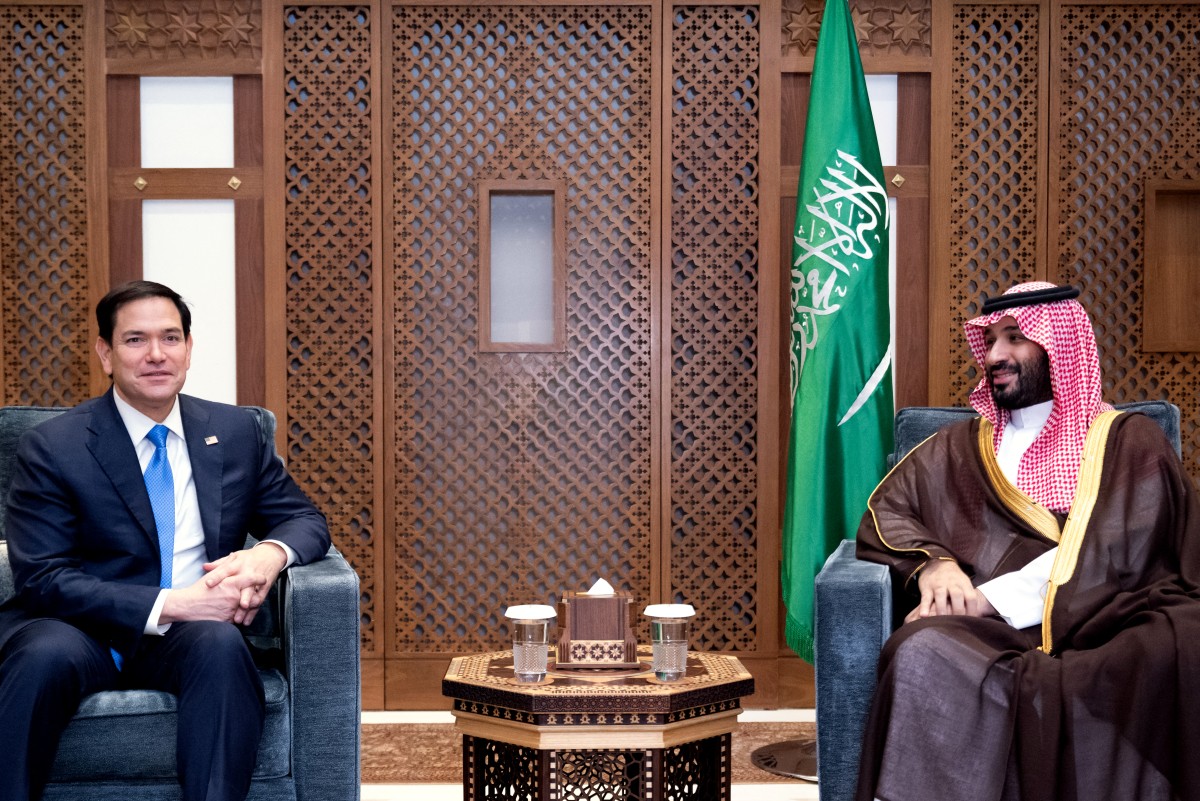

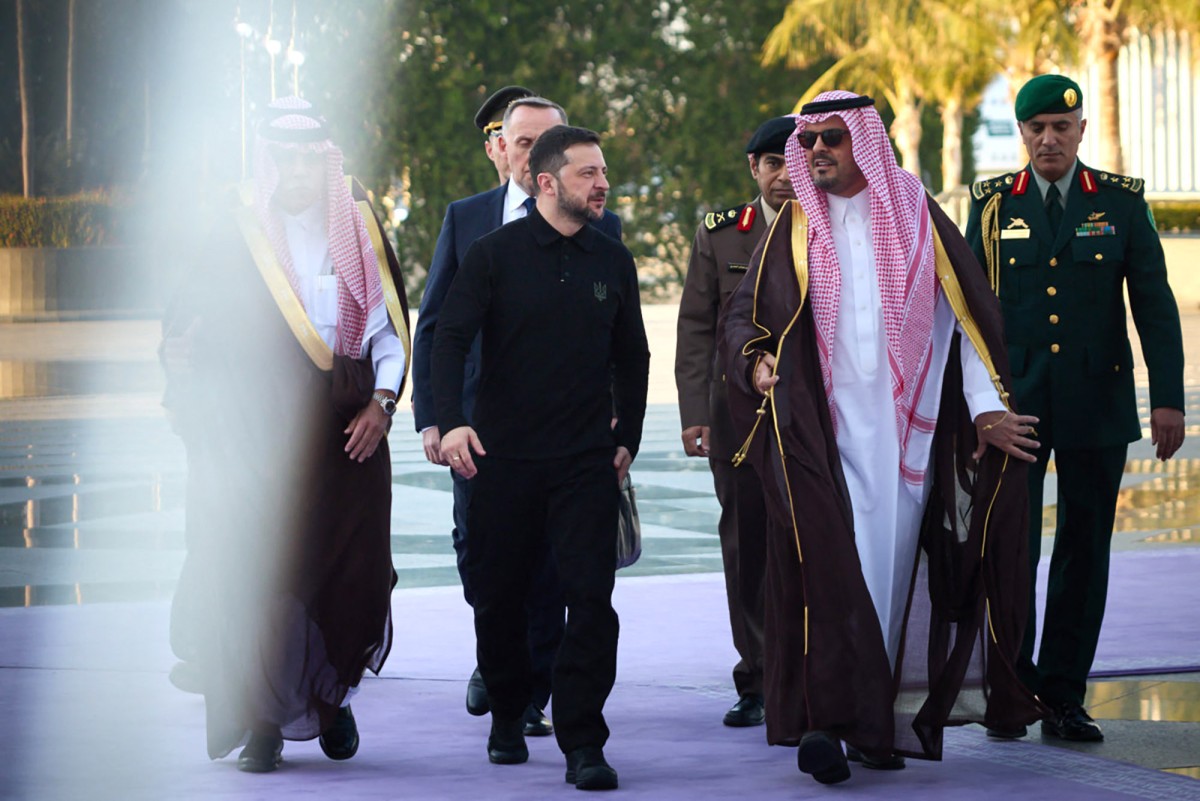
Jeddah, Saudi Arabia – Ukraine endorsed an American proposal for a 30-day ceasefire and agreed to immediate negotiations with Russia in crunch talks in Jeddah on Tuesday after three years of grinding war.
The positive response from Ukraine prompted President Donald Trump’s administration to lift a freeze on military aid and to predict the beginning to an end to three years of war.
With Trump stunning allies by applying intense pressure on Kyiv and reaching out to Moscow, Ukrainian officials came to talks in Saudi Arabia eager to make up and had proposed a partial truce on air and sea attacks.
Trump’s advisers pressed for more and said Ukraine agreed to their proposal for a full month-long ceasefire in a war that has claimed tens of thousands of lives.
“Today we made an offer that the Ukrainians have accepted, which is to enter into a ceasefire and into immediate negotiations,” US Secretary of State Marco Rubio told reporters after around nine hours of talks in an ornate hotel in Jeddah.
“We’ll take this offer now to the Russians and we hope they’ll say yes to peace. The ball is now in their court.
“If they say no then we’ll, unfortunately, know what the impediment is to peace here,” Rubio said of Russia, which launched a full-scale invasion of its smaller neighbour in February 2022.
Rubio said the United States would immediately resume military assistance and intelligence sharing it had cut off to pressure its wartime partner following a disastrous February 28 meeting between Trump and President Volodymyr Zelensky.
In Washington, Trump said he was ready to welcome Zelensky back to the White House and may speak to President Vladimir Putin this week.
Asked by a reporter about the prospects of a comprehensive ceasefire in Ukraine, Trump answered: “Well, I hope it will be over the next few days, I’d like to see.
“I know we have a big meeting with Russia tomorrow and some great conversations hopefully will ensue.”
In a joint statement, Ukraine and the United States said they would conclude “as soon as possible” a deal securing US access to Ukraine’s mineral wealth, which Trump demanded as compensation for billions of dollars in US weapons under his predecessor Joe Biden.
Zelensky was supposed to sign the deal at the White House before the dramatic on-camera showdown, in which Trump and Vice President JD Vance dressed down the wartime leader and accused him of ingratitude.
Zelensky quickly thanked Trump over the “positive” ceasefire proposal made in Jeddah and said the United States must now work to persuade Russia.
“The American side understands our arguments, perceives our proposals, and I want to thank President Trump for the constructive conversation between our teams,” Zelensky said in his evening address.
Intensified war
Since the US cutoff of aid and intelligence sharing, Russia has stepped up attacks on Ukraine’s energy infrastructure and seized back land in Russia’s Kursk region which Ukrainian forces had infiltrated as they seek leverage.
Hours before the Jeddah talks, Ukraine staged a major direct attack on Moscow, with hundreds of drones slamming into the capital and other areas, leaving three people dead.
Top Zelensky aide Andriy Yermak said in Jeddah that Ukraine had made clear that its desire is peace.
“Russia needs to say, very clearly, they want peace or not, they want to end this war, which they started, or no,” Yermak told reporters.
Trump’s abrupt shift on Ukraine following Biden’s strong support has rattled European allies, with France and Germany increasingly speaking of developing common European defence if the United States no longer offers its security guarantees through NATO.
But Mike Waltz, Trump’s national security advisor, countered that the brash president has “literally moved the entire global conversation” in support of peace.
“We’ve gone from if the war is going to end to how the war is going to end,” Waltz told reporters alongside Rubio.
Waltz, who said he would speak in the coming days with his Russian counterpart, credited the Ukrainians with agreeing on the need to “end the killing, to end the tragic meat-grinder of people and national treasure”.
Talks with Canada
Rubio will head Wednesday to Canada — another country with which Trump is feuding — to meet fellow foreign ministers of the Group of Seven industrial democracies.
Rubio has said he will push the G7 to avoid “antagonistic” language about Russia for fear of scuttling diplomacy.
In Poland, a top supporter of Ukraine and where historical memories of Russia run deep, Prime Minister Donald Tusk praised the “important step towards peace” by the United States and Ukraine.
Even if Russia agrees to a ceasefire, much remains uncertain in negotiations. Ukraine has pressed for security guarantees, but Trump, in another shift from Biden, has ruled out NATO membership.
Waltz said that the talks in Jeddah discussed “substantive details on how this war is going to permanently end” including “what type of guarantees they’re going to have for their long term security and prosperity”.
French President Emmanuel Macron, who has mulled European forces in Ukraine as part of any deal, said Tuesday that Kyiv needs “credible” security guarantees in any ceasefire.