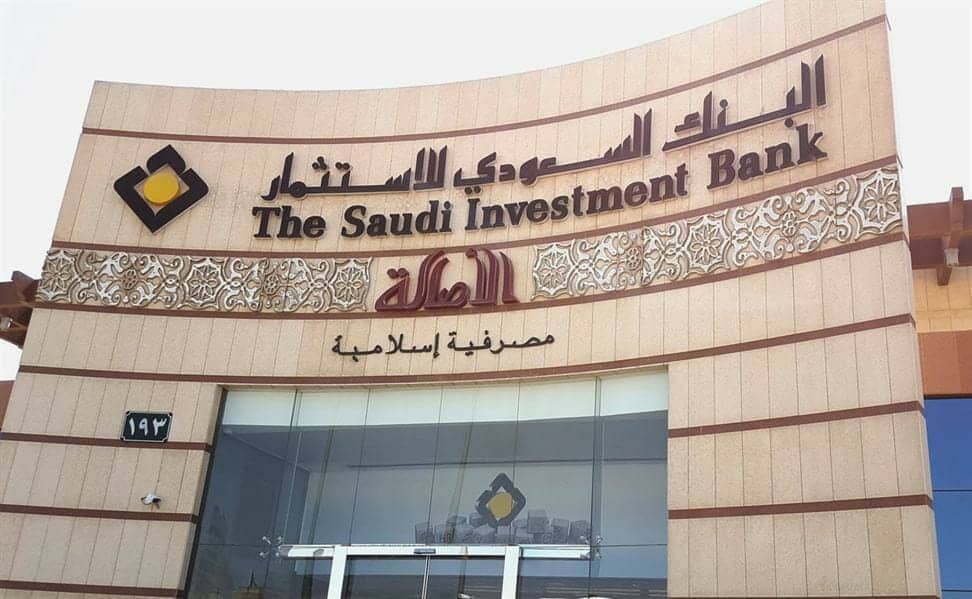

Riyadh: The Saudi Investment Bank (SAIB) has posted a 13.76 percent year-on-year increase in net profit to SAR 503.30 million ($139 million) in the first quarter of 2025.
However, the net profits fell by 1.31 percent when compared to the same quarter last year. At the end of 2024, the profits increased by 11.07 percent to SAR 1.95 billion from SAR 1.76 billion.
The YOY profit growth in the first quarter of 2025 was driven by a 4.7 percent year-on-year (YoY) hike in the first-quarter net special commission income, mainly due to higher returns from financing and investments.
SAIB reported that its assets increased by 20.08 percent to SAR 163.79 billion in the same quarter, while the investments increased by 18.32 percent to SAR 40.39 billion.
The bank’s financial results show that the earnings per share (EPS) were SAR 0.39 at the end of the first quarter. Its clients’ deposits were valued at SAR 101.66 billion, which is 14.96 percent higher than SAR 88.43 billion a year ago.
Total operating income also rose 5.5 percent YoY in Q1 2025, supported by stronger net commission income, foreign exchange gains, and gains from the derecognition of debt instruments measured at fair value through other comprehensive income (FVOCI).
These gains were partially capped by lower unrealized gains on instruments measured at fair value through profit or loss (FVTPL).