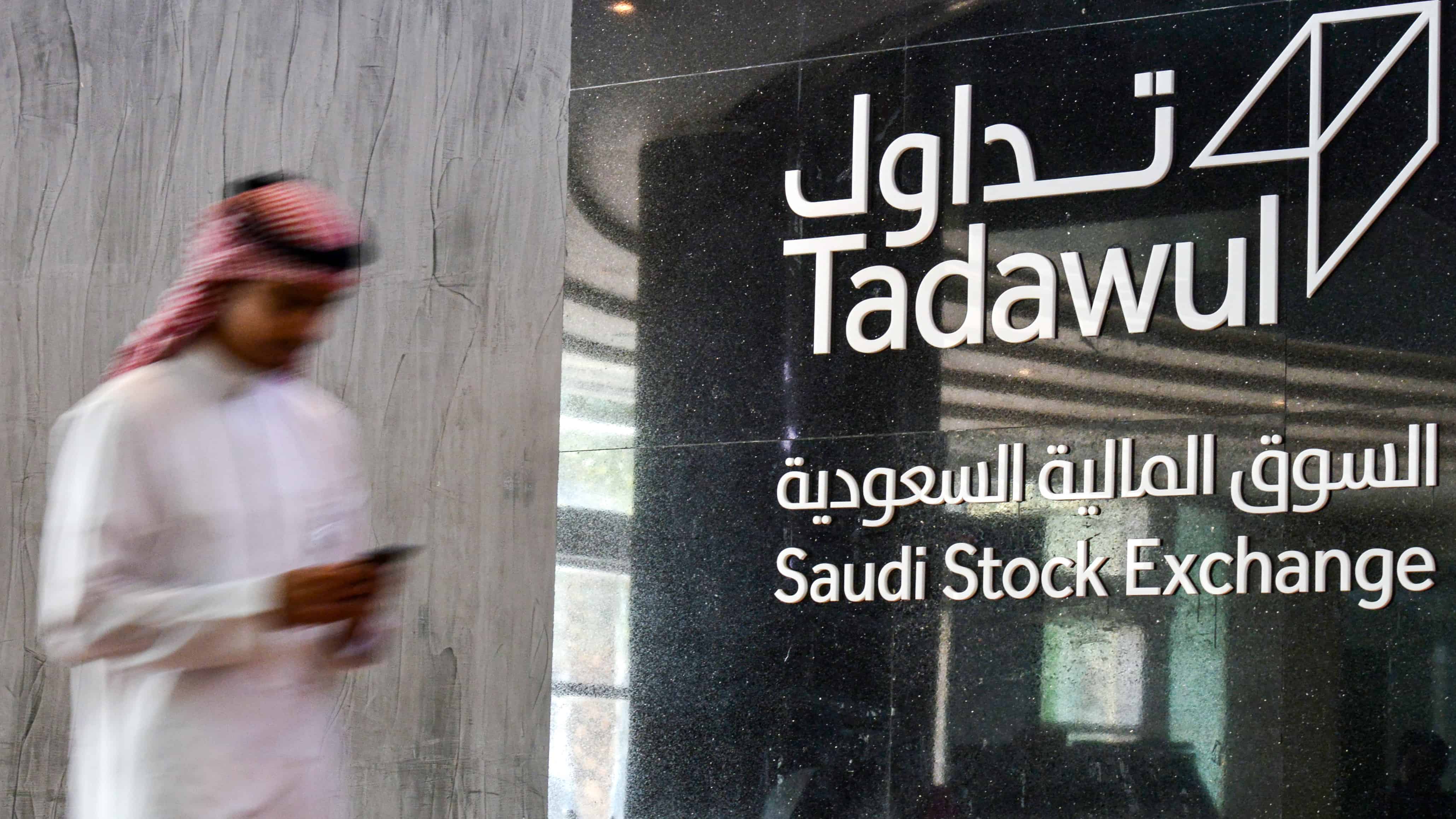

In late September 2025, Saudi Arabia’s Capital Market Authority (CMA) said it was looking to remove the 49-percent foreign ownership cap on listed companies by the end of the year. The announcement caused Tadawul, the kingdom’s stock exchange, to surge. A month later, the chairman of the CMA confirmed that the ownership limits would be reviewed in 2026 as a prelude to gradually raising or possibly removing the cap entirely.
To the kingdom’s east, in the United Arab Emirates (UAE), regulatory changes, which resulted in more flexible listing and IPO structures, gave issuers like Alpha Dhabi Holding and Pure Health less rigorous paths to list shares on the Abu Dhabi Securities Exchange, sparking foreign investor interest. Pure Health’s listing generated over $72.15 billion in gross demand.
Overall, the GCC IPO market raised $13.2 billion across 53 listings in 2024, up 25 percent from 2023. Dubai Financial Market surged 27 percent while Boursa Kuwait gained 5 percent.
For a region long shaped by sovereign balance sheets and state-owned champions, the Gulf is quietly rewiring its financial plumbing, with governments relaxing ownership rules, rewriting regulators’ mandates and launching programs to deepen markets, attract foreign capital and force domestic firms to compete on price and product.
The UAE led the first charge. Federal decree changes and a flurry of free-zone and mainland measures now allow 100 percent foreign ownership in many sectors, making it easier for foreign asset managers, banks and fintech firms to set up onshore and bid for local mandates.
Riyadh has moved more cautiously but decisively. Since opening the Tadawul to foreign participation a decade ago, the Saudi regulator has progressively loosened eligibility and account-opening rules to broaden access to its vast equity and debt markets—part of a drive to convert public savings into private capital and to build liquid domestic markets that can finance the kingdom’s industrial ambitions.
Smaller Gulf states have followed with their own playbooks. Oman replaced its capital markets regulator with a new Financial Services Authority and rolled out incentives to deepen the Muscat bourse and groom local issuers; the aim is to widen non-bank financing for projects and reduce dependence on public borrowing.
Bahrain and Qatar, through targeted regulatory updates and strategic plans, have sharpened their niche offerings—Islamic finance, REITs, and fund domiciliation—so they can compete for cross-border capital rather than imitate their larger neighbors.
The result is nascent but visible: more participants, a spurt in IPOs and bond issues, and growing competition among exchanges, regulators and financial centers to court issuers and asset managers.
JPMorgan reclassified Qatar and Kuwait as developed markets in February 2025, removing them from its Emerging Markets Bond Index—a testament to their regulatory maturation.
However, competition cuts both ways: it compresses fees and forces efficiency, but it also raises the governance and supervision bar. Policymakers’ challenge is to keep markets open enough to attract capital while shoring up investor protection and systemic resilience.