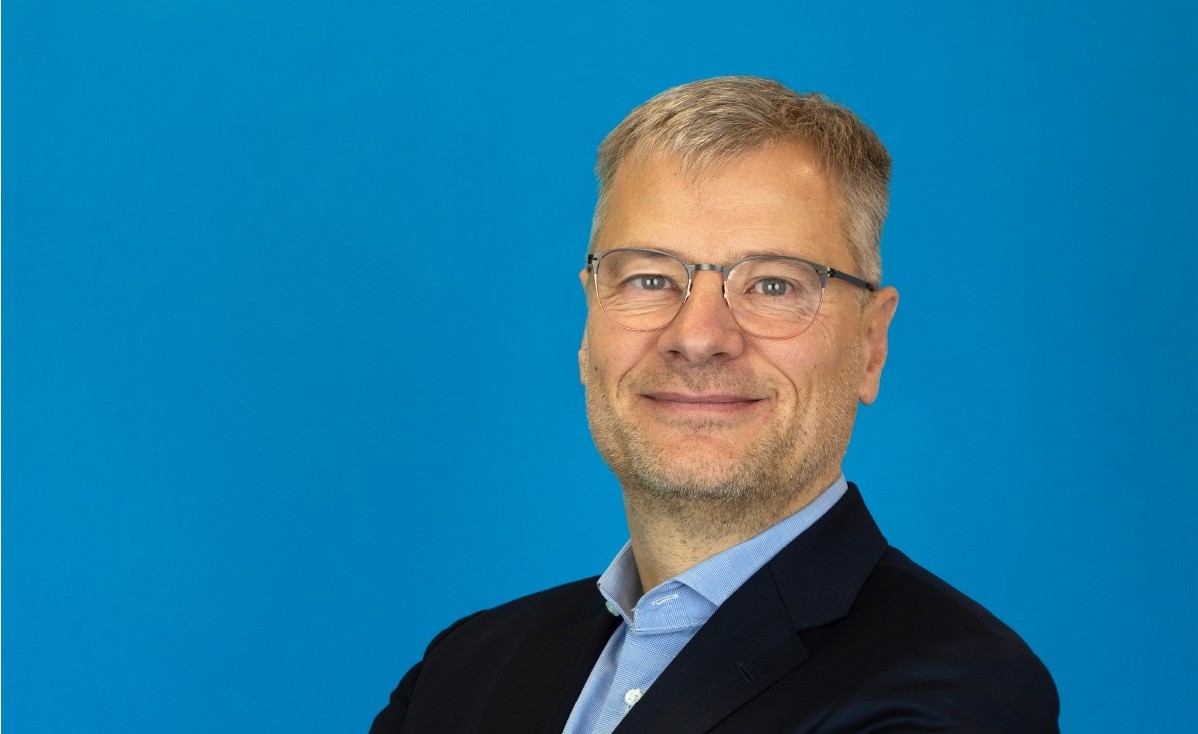

The Middle East region, especially the GCC countries, is uniquely advantaged to lean into its service-centric culture and distinctive local approach to hospitality, says Klaus Kohlmayr, Chief Evangelist and Development Officer at IDeaS.
Excerpts from the interview:
Q: As someone who has witnessed many firsts across sectors, what do you see as next for the Middle East—especially the GCC—as it builds knowledge economies?
If you look at growth areas around the world, this is probably the number one growth region right now. When we talk about knowledge-driven hospitality or knowledge industries, the region has a truly unique opportunity.
You have a very strong service-centric culture and a local version of hospitality that is highly distinctive, shaped by rich history and deep cultural backgrounds. At the same time, you have technology that is being actively enabled by governments across the region. That allows hospitality to be infused with technology and increasingly driven by AI going forward.
Q: IDeaS partners with leading academic institutions worldwide. What should the Gulf learn from such programs and incorporate into its education curricula?
I tell people they should focus on three areas.
The first is AI fluency. Every student today needs to understand and be fluent in using AI, just like they use their phones, social media, or email. AI fluency is not prioritized enough in schools today. If AI skills are not on your resume, you will have a very difficult time finding a job in the future.
The second area is data storytelling—how you use data and tell a story with it, rather than just producing charts and reports. There is still not enough emphasis on meaningful data analysis.
The third area is general business skills for people working in the hotel industry. Many leaders still come from operational or restaurant backgrounds. Today, they need business skills, AI skills, and data skills, alongside traditional operational knowledge such as guest management and financial handling.
Q: GCC markets have set ambitious goals, with countries like Saudi Arabia building tourism infrastructure from the ground up. Where should innovation efforts be focused?
Sustainable travel is a major opportunity for the Middle East and the GCC. Authenticity, culture, and history should be central. The region has an extraordinary cultural depth that travelers want to experience.
That authenticity must be overlaid with modern technology. For example, work is already underway on blockchain-enabled digital IDs through global and European travel councils. These could enable seamless cross-border travel—allowing movement between Saudi Arabia, the UAE, and beyond without traditional passport checks.
This could transform the region into a single, integrated travel market. There is a real opportunity to create experience-led, sustainable, technology-enabled hospitality as tourism infrastructure rapidly expands. The scale of investment going into this is remarkable.
Q: As a long-time advocate of advanced revenue management, where do you see AI having the biggest impact?
I’m a passionate cook, and recently I used AI to scale a recipe from six people to forty. It saved me hours of planning. That same efficiency applies across hospitality.
Housekeeping, kitchens, and back-of-house operations can all become more productive with AI. We’ve used data for 35 years to generate hotel pricing. Today, we make about 20 billion pricing decisions annually, which requires AI at scale. AI is critical to our work—and its benefits extend across the entire hotel industry.
Q: What are the most underappreciated innovation opportunities—and challenges—in the region?
The GCC has a major opportunity in sustainable travel because many hotels are new. They can be highly efficient, carbon-neutral, and aligned with growing demand for sustainable tourism.
Authenticity matters deeply. Too often, hotels around the world look the same. In contrast, the Middle East can combine sustainability, cultural depth, and AI-driven technology to create distinctive experiences.
One challenge is that much of the development is focused on luxury. Making travel more affordable and accessible will be equally important for long-term growth.
(The interview was originally published in the Knowledge Economy issue of TRENDS, Dec. 2025)