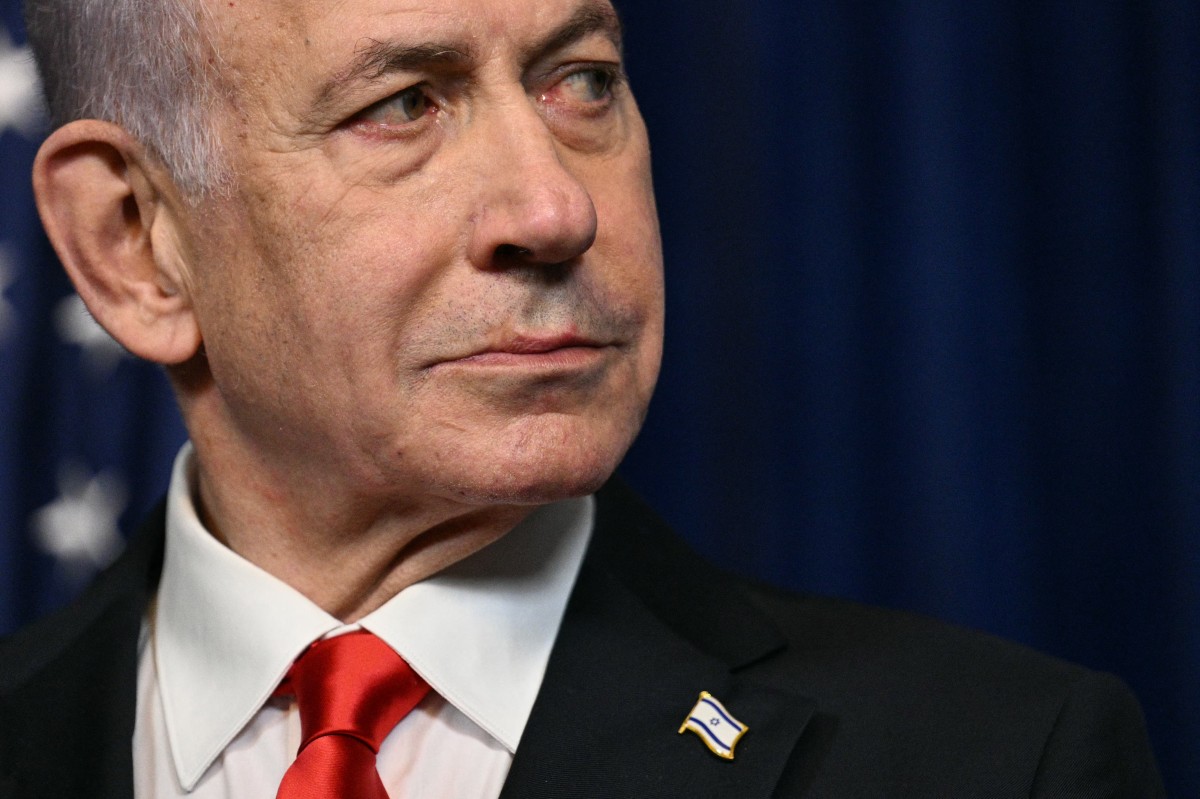

Israeli Prime Minister Benjamin Netanyahu on Sunday said Israel is working to build a new alliance framework across the Mediterranean and the Middle East to counter what he described as hostile regional blocs.
Speaking ahead of the weekly cabinet meeting, Netanyahu outlined a plan to establish what he called a “hexagon alliance system” involving India, select Arab and African countries, Greece, the Greek Cypriot administration and several unnamed Asian nations.
“In the vision I see before me, we will essentially form a ‘hexagon alliance system’ around or within the Middle East,” Netanyahu said, adding that further details would be shared in due course.
He said the objective was to bring together countries that share similar assessments of regional threats and long-term strategic goals.
“This axis stands against the radical Shiite axis that we have struck very hard, as well as the emerging radical Sunni axis,” he said.
India visit, strategic cooperation
Netanyahu also announced that Indian Prime Minister Narendra Modi is scheduled to visit Israel on Wednesday, Feb. 25, describing the trip as an opportunity to expand cooperation in economic, diplomatic and security spheres.
He said both sides are looking to deepen collaboration in high technology, artificial intelligence and quantum research.
Highlighting his rapport with Modi, Netanyahu said they maintain close contact and have visited each other’s countries in the past. He remarked that they had “walked together in the waters of the Mediterranean.”
Ties with the United States
Addressing relations with Washington, Netanyahu described Israel’s partnership with the United States as exceptional, referring to both institutional ties and his personal connection with US President Donald Trump.
“This alliance does not mean we are not seeking other alliances; on the contrary, we are constantly developing them,” he said.
Netanyahu added that cooperation among countries included in the proposed alliance could yield substantial outcomes and enhance regional stability and resilience.
He reiterated that the planned alliance system is intended to counter the radical Shiite axis and what he termed an emerging radical Sunni axis, bringing together nations that share a different strategic outlook and seek closer coordination.