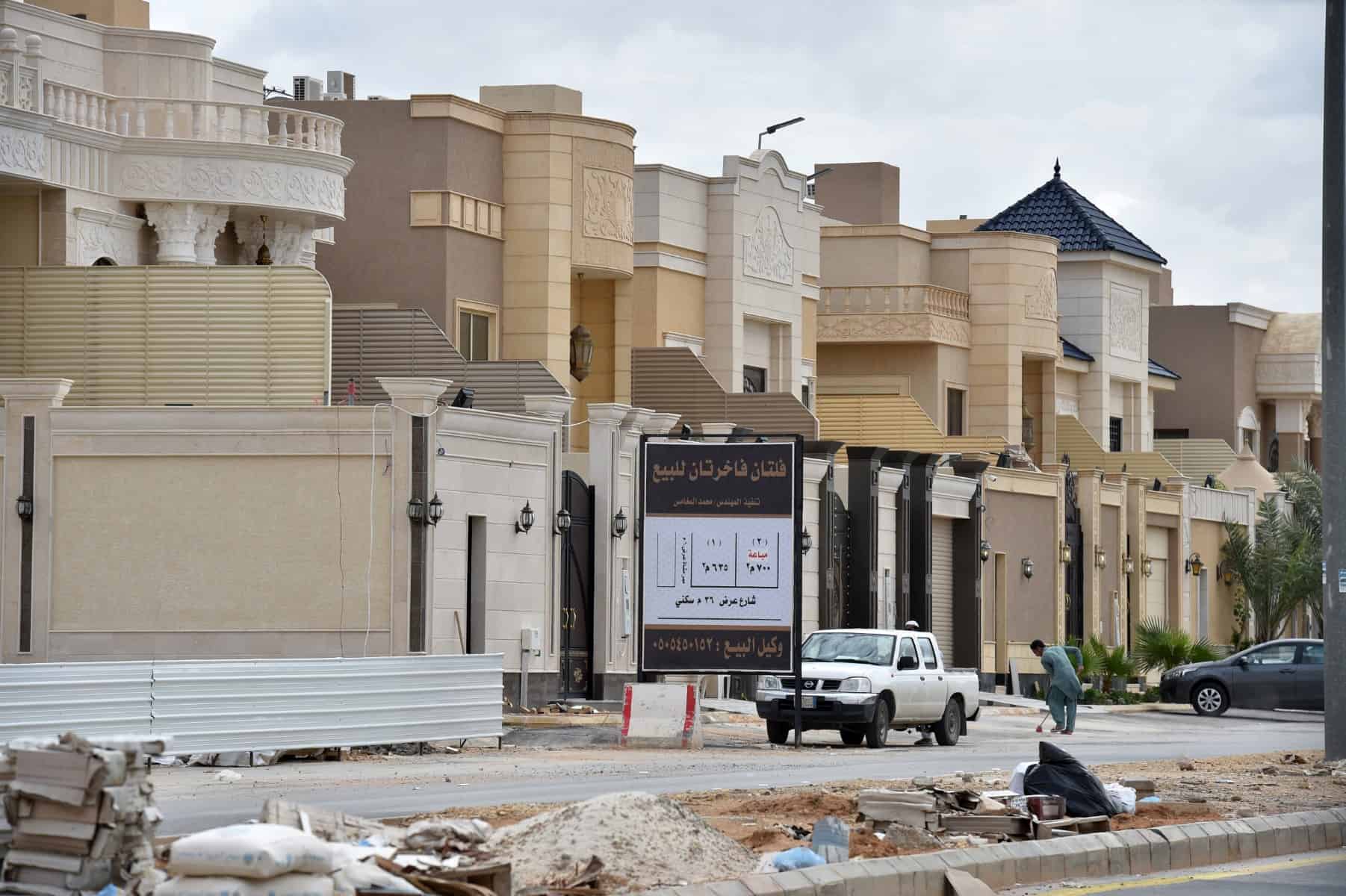

Dubai, UAE — Saudi Arabia’s residential real estate market recorded a sharp slowdown in the first quarter of 2026 as affordability pressures, weaker mortgage demand and regional geopolitical tensions weighed on activity, according to property consultancy Knight Frank.
Residential transaction volumes fell 50% year-on-year to 29,490 deals during the quarter, while the value of transactions declined 57% to SAR22 billion ($5.9 billion).
The slowdown was most pronounced in Riyadh, where transaction volumes and values dropped 82% from a year earlier. Activity also weakened in Jeddah, the Dammam Metropolitan Area, Makkah and Madinah.
Knight Frank said mounting affordability challenges, softer mortgage demand and negative sentiment linked to regional conflict contributed to the decline in market activity.
Despite weaker sales, residential prices continued to rise across most major markets.
Apartment prices in Riyadh increased 6.3% year-on-year in the first quarter, while villa prices rose 4.9%. Apartment prices also climbed 2.0% in Jeddah and 2.3% in the Dammam Metropolitan Area.
Knight Frank said the increases reflected price resilience during the first two months of the year, adding that the full impact of regional developments had yet to be reflected in aggregate market data.
The consultancy said the state-backed National Housing Co. continues to drive residential supply growth through large-scale master-planned communities and housing developments across the kingdom.
Knight Frank forecasts Riyadh’s housing stock will expand from about 2.7 million units in 2025 to more than 3.3 million units by 2030. Housing stock in Jeddah is projected to reach 1.47 million units by the end of the decade, while the Dammam Metropolitan Area is expected to approach one million units.
The report showed a contrasting picture in the office sector.
Riyadh’s Grade A office rents rose 2.5% year-on-year to SAR2,770 per square metre in the first quarter, while occupancy remained at 97%.
Knight Frank attributed the resilience to sustained demand from occupiers and a shortage of institutional-grade office space.
The consultancy expects the office market to enter a new phase as a pipeline of major developments is completed, with Riyadh’s office stock projected to expand from around 6 million square metres in 2025 to more than 10.6 million square metres by 2032.