
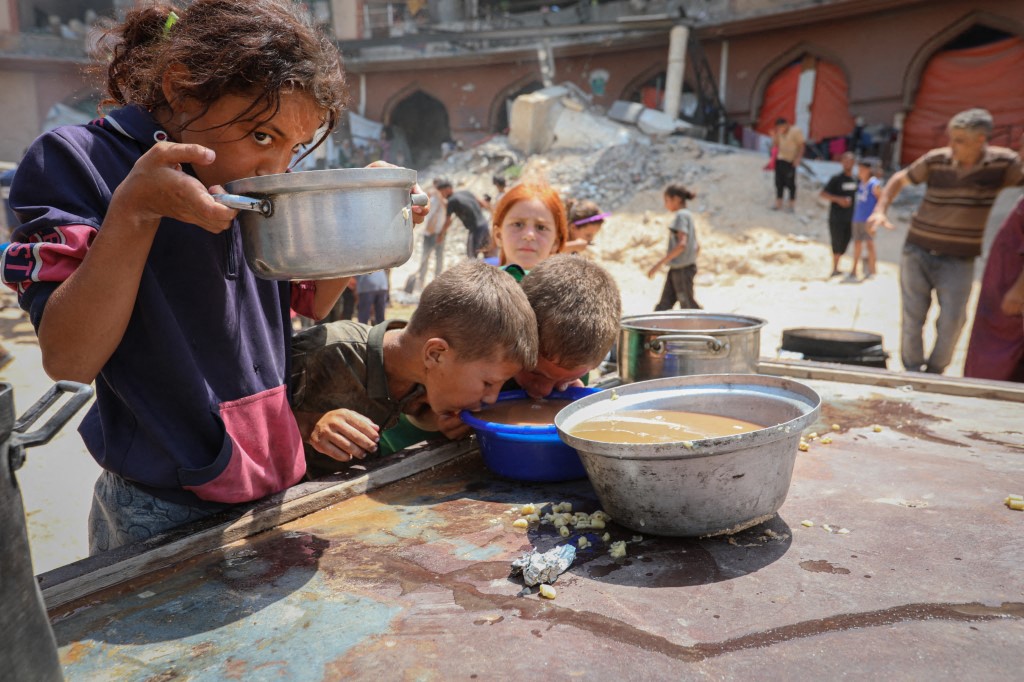

Israeli attacks killed at least four Palestinians in Gaza on Monday, including a United Nations Relief and Works Agency for Palestine Refugees (UNRWA) employee, as humanitarian agencies warned of worsening conditions in the besieged enclave ahead of winter.
Adel al-Helo, an UNRWA employee, was killed in an Israeli drone strike while carrying out his duties at a water well in Jabalia refugee camp in northern Gaza, according to the Palestinian news agency Wafa.
Three other staff members were injured in the attack, UNRWA said, calling for humanitarian workers to be protected at all times.
In a post on X, the agency said its Commissioner-General Christopher Saunders was “greatly saddened” by al-Helo’s death and the injuries sustained by colleagues who were providing essential services to the community.
Al-Helo had dedicated 35 years to the agency, his brother said, as Palestinians mourned his killing.
UNRWA said 397 of its personnel and others supporting its activities had been killed since the war began, describing Gaza as the deadliest place for UN aid workers since the establishment of the United Nations after World War II.
Separately, an Israeli air strike on a civilian vehicle west of Gaza City killed at least three Palestinians, Wafa reported. Israeli forces also struck a police post in Khan Younis, killing at least three people and injuring five, according to medical sources at al-Nasser Hospital.
The latest attacks came as the International Committee of the Red Cross (ICRC) warned that restrictions on the entry of shelter materials were leaving displaced Palestinians dangerously exposed to winter conditions.
In a statement, the ICRC said most displaced people continued to live in tents offering little protection against harsh weather, while others had taken refuge in damaged buildings at risk of collapse.
The organisation said its teams were helping residents prepare for winter but that available materials were insufficient to meet the scale of humanitarian needs.
It criticised restrictions on imports of materials required for durable housing and infrastructure repairs, warning that these were hampering efforts to provide adequate shelter.
“More durable shelter solutions are needed,” the ICRC said, adding that people in Gaza needed more than temporary fixes and required sustainable solutions.
The organisation warned that the shortage of essential materials was making it increasingly difficult for Palestinians to get through winter in conditions that protected their health and dignity.
The warnings come amid continuing restrictions on humanitarian supplies entering the enclave, with aid agencies highlighting the growing risks faced by displaced families as temperatures fall.