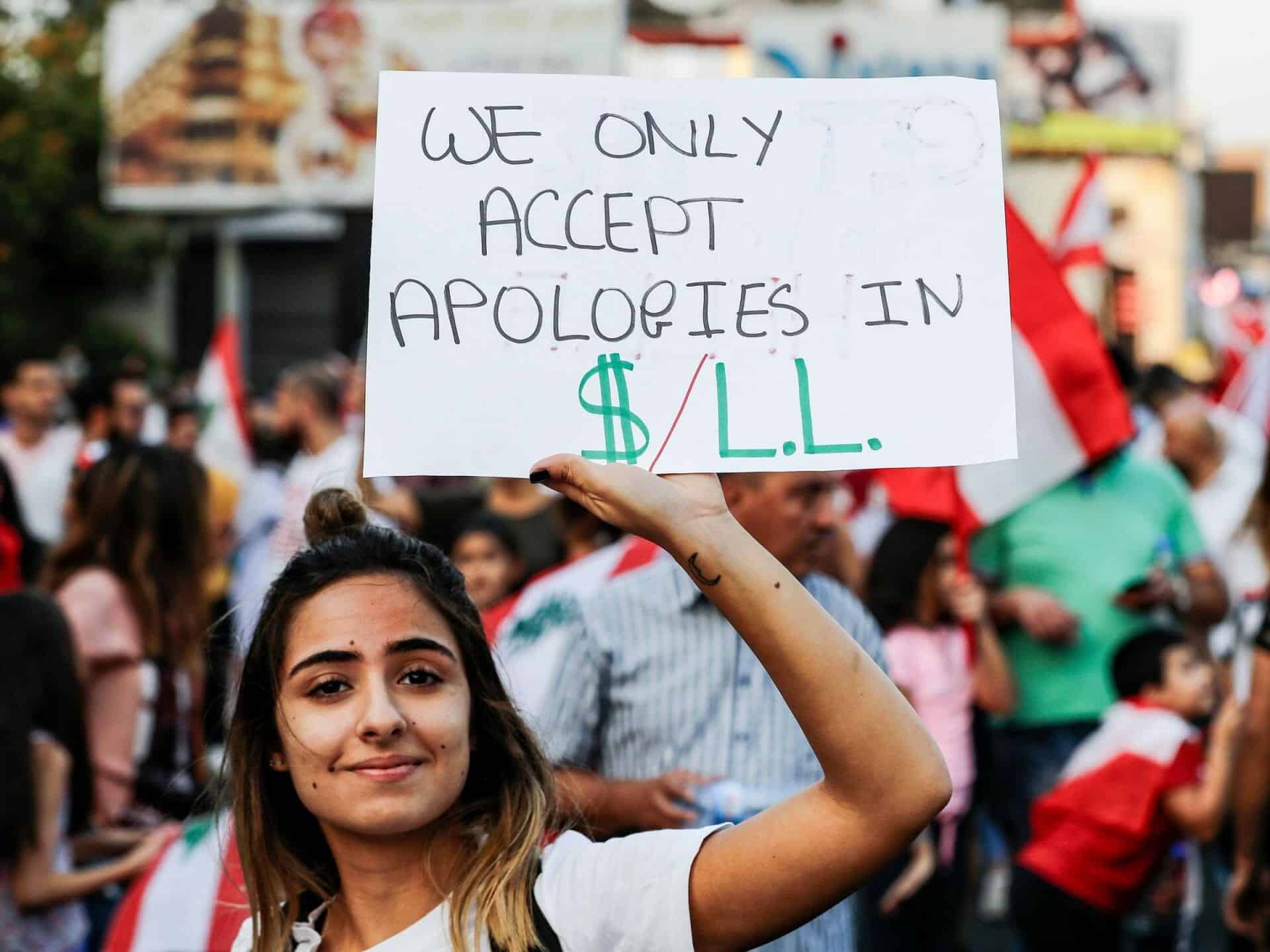

The people of Lebanon will get cash assistance in US dollars from the government as it looks to disburse a loan from the World Bank.
Lebanon had approved a $246-million loan from the World Bank in March this year, but its disbursal had been held up due to political turmoil in the country, as well as the government’s initial decision to disburse the loan in Lebanese pounds.
The World Bank in January agreed to provide this loan as part of the Lebanon Emergency Crisis and Covid-19 Response Social Safety Net Project, which it refers to as ESSN for short.
It said in a statement back then: “The ESSN project will provide 147,000 extreme poor Lebanese households (approximately 786,000 individuals) with cash assistance for one year.”
Now, World Bank’s Regional Director for the Middle East, Saroj Kumar Jha, has confirmed on Twitter that the Lebanese government will distribute the loan in dollars.
Read his tweet here:
Thank you @GhaziWazni for your letter confirming that #ESSN beneficiaries will be paid in USD. This decision would allow poor households to receive full value of the @WorldBank assistance and protect the objectives of #ESSN. @RMoucharafieh @grandserail 🙏
— Saroj Kumar Jha (@SarojJha001) August 23, 2021
The decision by the government is expected to have major economic ramifications for the tens of thousands of families who will receive the loan.
The World Bank has already described the economic crisis in Lebanon as one of the worst since the mid-1800s.
The situation is probably best explained by the fact that the country’s currency, the Lebanese pound, has lost 90 percent of its value since November 2019.
The result is that any dollar in the Lebanese black market has skyrocketed in value as inflation and shortages like those of food, fuel, and medicines affect the populace.
Some local reports say the black-market exchange rate for a single dollar in the country is around 20,000 Lebanese pounds.
Even currency converters that go by mid-market rates say the conversion is more than 1,500 Lebanese pounds to the dollar.
Meanwhile, the minimum wage in the country has not changed, but the price of food has gone so high that the average Lebanese family was recently estimated to be spending five times the minimum wage on food alone.
Under these circumstances, Jha has urged the Lebanese authorities to adhere to other conditions of the loan, like verification of all the beneficiaries of the loan, and the hiring of an independent monitor for the disbursement process.