
Tunisia is in talks with Gulf powerhouses Saudi Arabia and the United Arab Emirates for funding to avert a looming financial crisis, a central banker told local media.
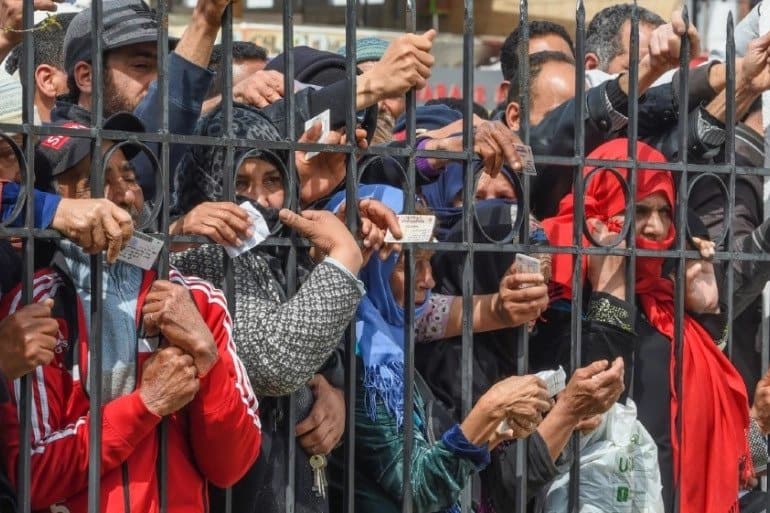
The birthplace of the Arab Spring uprisings, Tunisia has faced years of economic woes exacerbated by the coronavirus pandemic, with 18 percent unemployment and debt verging on 100 percent of gross domestic product.
The country had been in talks with the International Monetary Fund for a fourth bailout package in 10 years, but a July power grab by President Kais Saied put those negotiations on hold.
In comments carried by two radio stations and confirmed to AFP on Monday by a central bank official on condition of anonymity, senior central banker Abdelkarim Lassoued said the institution was in “very advanced discussions with Saudi Arabia and the Emirates to fill state coffers”.
The radio stations, Mosaique FM and Shems FM, did not report how much financing was proposed or in what form it would be issued.
Years of political deadlock following Tunisia’s 2011 revolution have left it with less than one percent growth and six percent inflation.
The vital tourism sector, which normally provides livelihoods to around two million Tunisians, has been brought to its knees by the Covid-19 crisis.
On July 25, Saied sacked the government and suspended a parliament dominated by the Islamist-inspired party Ennahdha.
The opposition and civil society groups have condemned what they see as moves towards autocracy, but Saied has been backed by Riyadh and Abu Dhabi, which have strongly opposed political Islam across the Arab world.
Tunisia’s central bank in early October warned against “the acute drying-up of the country’s external financial resources” and a “significant” budget deficit.
Later in the month, Moody’s ratings agency downgraded Tunisia’s sovereign debt from B3 to Caa1, with a negative outlook.
“There is a risk that, if significant funding is not secured, high liquidity pressure may lead to default,” it said.