
Saudi Arabia approved its 2022 budget on Sunday, December 12, projecting a surplus for the first time since oil prices collapsed in 2014.
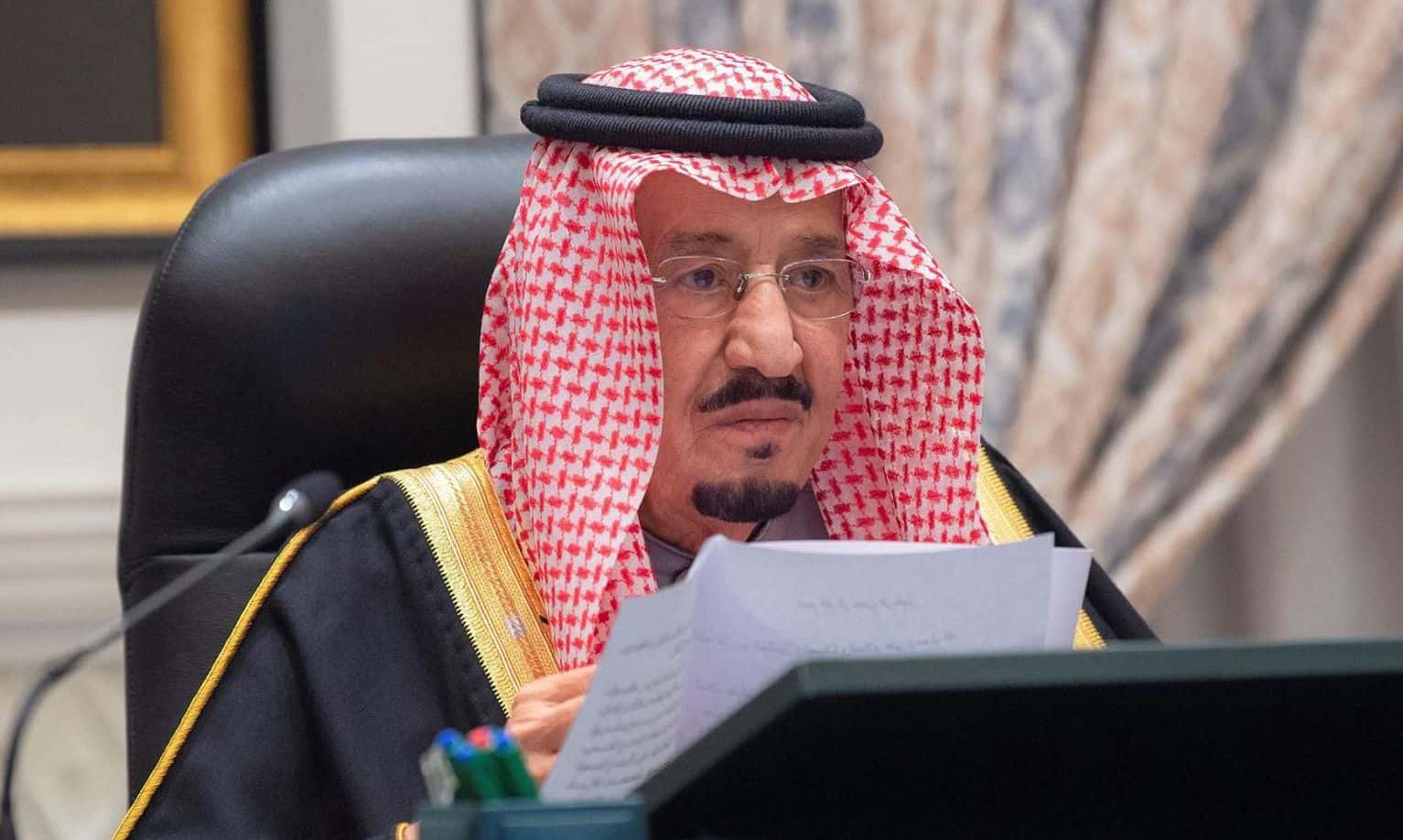
King Salman said the improved fiscal situation for the world’s biggest oil exporter comes “after the Kingdom of Saudi Arabia has overcome the economic repercussions and the exceptional stages of the coronavirus pandemic”.
Cited by the Saudi Press Agency, he said total expenditures were budgeted at SAR955 billion ($255 billion), and revenues estimated at SAR1.045 trillion ($279 billion), giving a surplus of SAR90 billion ($24 billion).
Riyadh’s projections come with higher global crude prices, despite worries about the Omicron coronavirus variant which is spreading worldwide.
Crude prices finished higher on Friday to post their best week since August.
Brent North Sea crude for February delivery rose to $75.15. In New York, West Texas Intermediate crude for January delivery increased to $71.67 a barrel.
Economic experts have said Saudi Arabia needs a crude price of about $80 a barrel to balance its budget.
At a press conference, Finance Minister Mohammed al-Jadaan did not answer AFP’s question about the price per barrel on which the budget projections were based.
The kingdom produced about 9.8 million barrels per day in October, according to the Organization of the Petroleum Exporting Countries.
If the projections are realized, it will be the first time that the Arab world’s largest economy will see a surplus since 2013, when it reached SAR206 billion ($55 billion).
“We aim to place further attention to the security and health of citizens and residents, human development, the continuation of economic growth and diversity, and financial sustainability,” King Salman said.
Crown Prince Mohammed bin Salman said that “the financial and economic results and indicators confirm that we are progressing positively”.
Since 2016, the kingdom has embarked on a wide-ranging program to diversify its economy away from oil, which still generates more than two-thirds of Saudi public revenues.
After prices collapsed in 2014 from more than $100 a barrel, the kingdom borrowed heavily and drew from its reserves to plug the shortfall.
It also resorted to austerity measures like cutting subsidies on fuel and power and imposing a value added tax.
In September, Jadaan had forecast a 2022 budget deficit of SAR52 billion ($14 billion).
Saudi Arabia was left reeling last year from low oil prices when global demand collapsed during the pandemic and led to an economic downturn.
The kingdom estimated its 2020 deficit at SAR298 billion ($79 billion) but for this year the shortfall is seen at SAR84 billion ($22 billion), to end years of deficits.
Jadaan said a surplus is expected in 2023 and 2024 as well.