
Nestle reported better-than-expected sales in the first quarter on Thursday after the Swiss food giant raised prices to cope with soaring global inflation, and signaled that more hikes were coming.
Inflation has surged since last year as economies emerged from Covid lockdowns, prompting companies to raise prices for their products.
Russia’s invasion of Ukraine has caused energy and commodity prices to rocket even higher this year, with world food prices hitting an all-time high in March.
Nestle, which makes everything from chocolate to coffee to baby and pet food, said its sales grew 5.4 percent to 22.2 billion Swiss francs (€21.5 billion, $23.4 billion) in the first three months of the year compared to the same period in 2021.
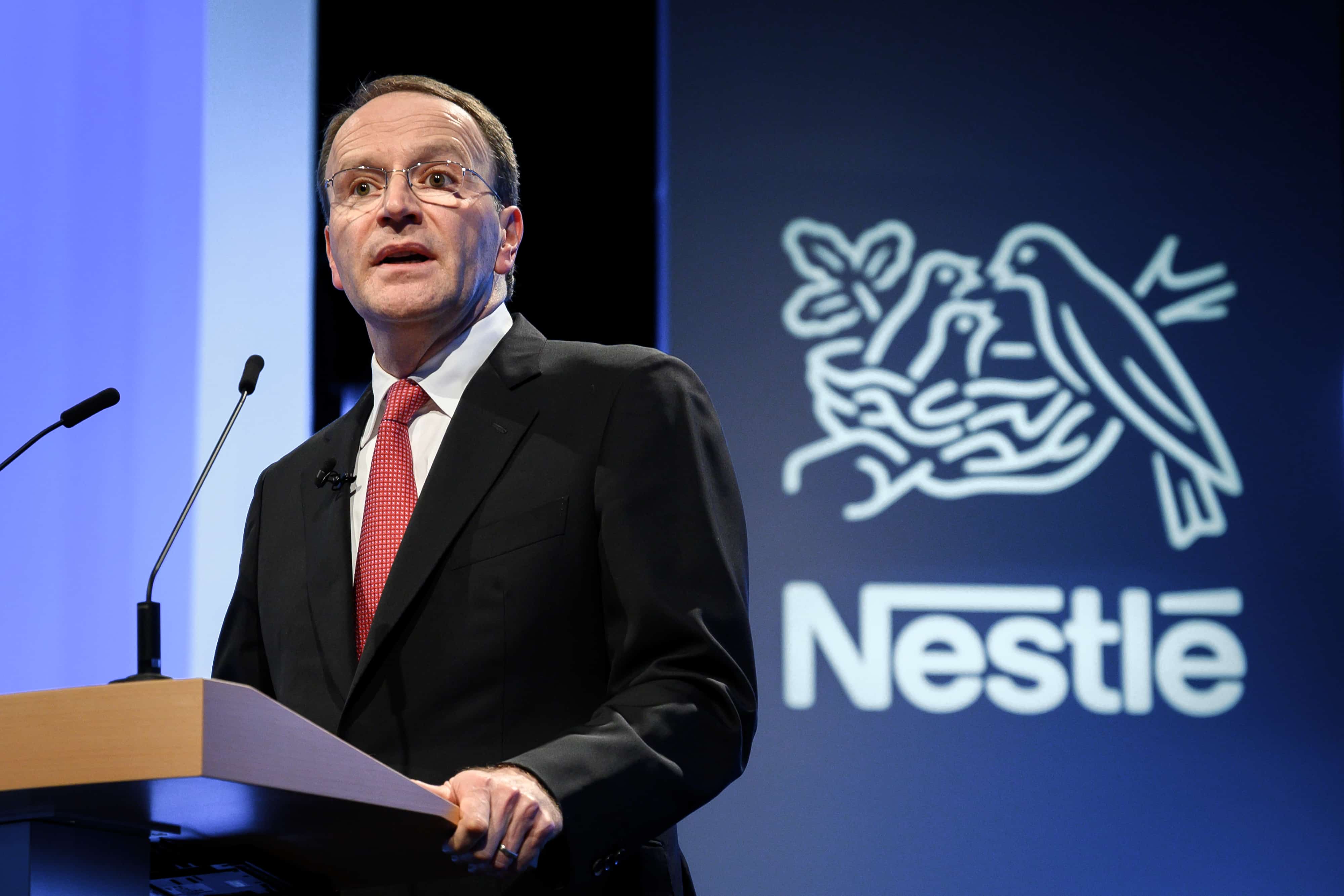
“We stepped up pricing in a responsible manner and saw sustained consumer demand,” Nestle chief executive Mark Schneider said in a results statement.
“Cost inflation continues to increase sharply, which will require further pricing and mitigating actions over the course of the year,” he said.
Nestle’s brands include Nespresso capsules, Gerber baby food, KitKat chocolate and Purina pet food.
Nestle’s organic growth — which excludes the effects of acquisitions or divestments to focus on a company’s core operations — reached 7.6 percent in the first quarter, exceeding the forecast of analysts surveyed by Swiss news agency AWP.
The figure, however, excludes Russia where Nestle is only providing essential food since the war broke out.
Unlike other Western firms that have halted operations in Russia, Nestle has continued to sell food there, saying it was a fundamental right.
Nestle maintained its full-year outlook of organic sales rising by around 5 percent.