
Kuwait, which borders Iraq, Saudi Arabia and Iran and is one of the world’s biggest oil exporters, has held 18 elections since the parliamentary system was adopted in 1962, reflecting its frequent political crises.
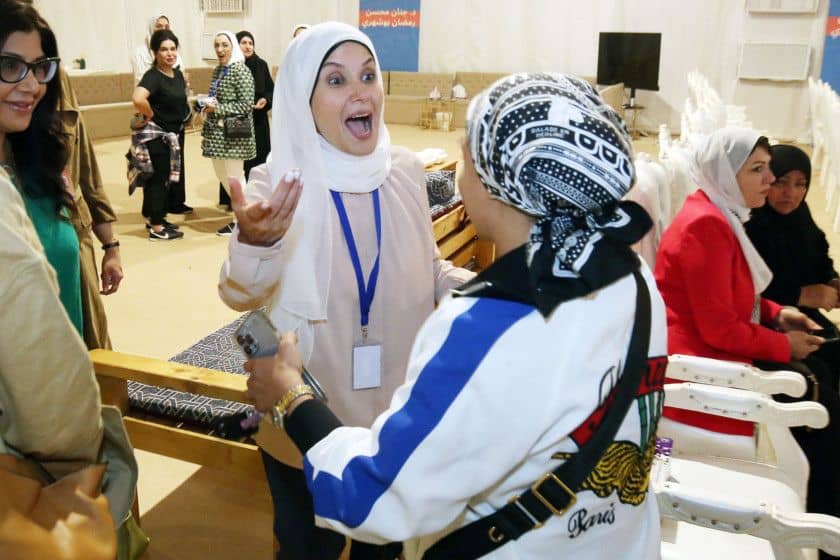
Victories for former minister Jenan Bushehri and Alia al-Khaled ensured a female presence in parliament after an all-male assembly was elected in 2020. Kuwait has never had more than four women MPs.
Two candidates won from prison, a first for Kuwait, after they were charged with participating in illegal by-elections.
Hamid Mehri al-Badhali and Marzouq al-Khalifa were eligible to stand for election because their case does not affect honesty or honor, as per Kuwaiti law.
Shiite candidates won nine seats, while Salafists, Muslim Brotherhood members and independents — took eight.
Ahmed Saadoun, the 87-year-old former speaker, returns to parliament after a decade-long boycott, having attracted more than 12,000 votes.
Several opposition groups ended their boycott of the polls after Crown Prince Sheikh Meshal al-Ahmad al-Jaber Al-Sabah vowed there would be no interference by authorities in the election or the new parliament.
Many opposition figures have stayed out of elections over the past 10 years, accusing executive authorities of meddling in the workings of parliament.