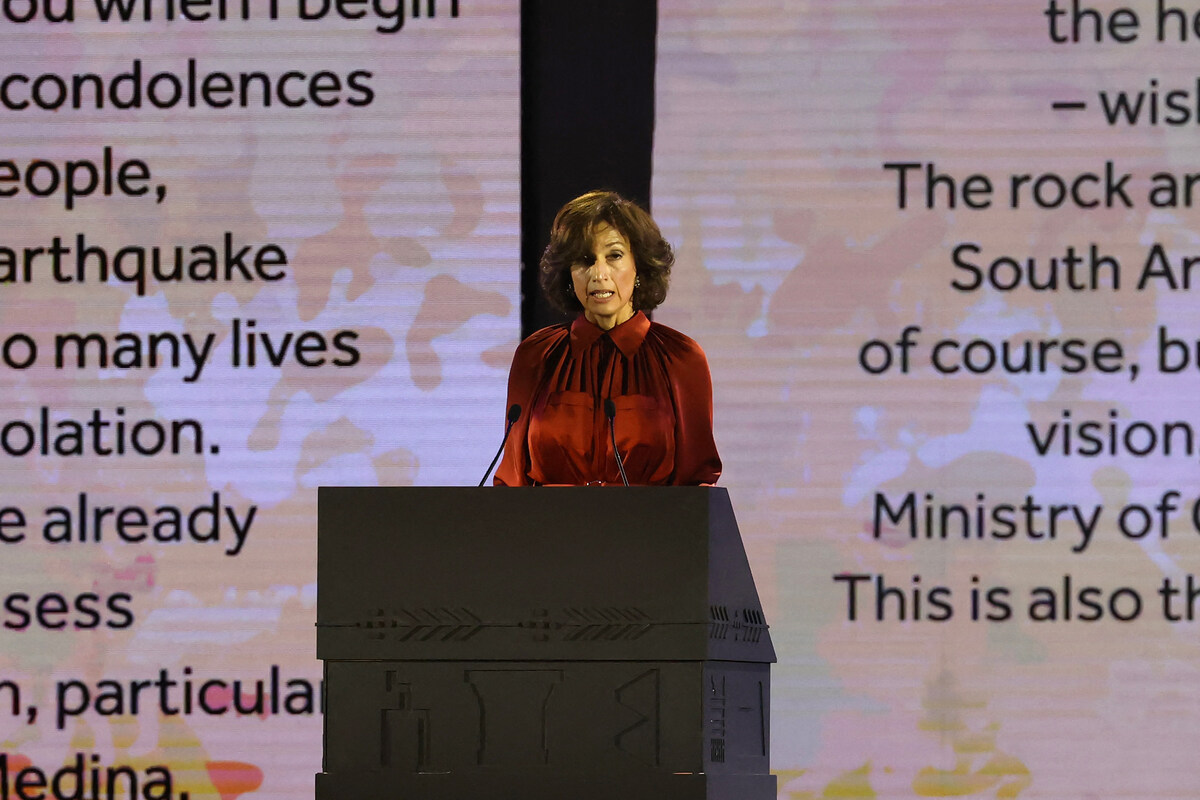

Riyadh, Saudi Arabia – The UNESCO World Heritage Committee, during its 45th session held in Riyadh, unveiled fifteen new additions to its World Heritage List, drawing attention from both historical enthusiasts and geopolitical spectators alike.
“Tell es-Sultan-Jericho”, a prehistoric site near the Palestinian city of Jericho, was inscribed, a move that attracted criticism from Israel. This decision attested to the site’s significance as an ancient tell containing deposits of human activities predating even Egypt’s pyramids.
Also, “Zarafshan-Karakum Corridor,” an integral part of the renowned Silk Roads connecting Central Asia’s Turkmenistan, Tajikistan, and Uzbekistan, now graces the list. The corridor emphasizes the intertwined histories of these nations and their collective significance in global trade and cultural exchange.
The “Hyrcanian Forests” that stretch across Iran and Azerbaijan, and Ethiopia’s “Gedeo Cultural Landscape,” known for its unique agricultural and architectural practices, have been recognized for their historical and environmental significance.
Many of Iran’s ancient caravanserais were added. Situated along historically crucial trade routes, these structures stand as testaments to ancient architectural ingenuity and cultural exchanges.
However, as archaeology and history often intertwine with contemporary geopolitics, such decisions are not without controversy. Israel’s foreign ministry expressed its concerns over the decision to inscribe “Tell es-Sultan-Jericho”, citing perceived biases within the UNESCO organization.
With the World Heritage Committee’s session still ongoing, global anticipation is palpable. Approximately 50 sites are queued for potential inclusion to the World Heritage List, segmented into 37 cultural, 12 natural, and two of mixed significance. The committee is also slated to discuss proposed modifications to existing heritage sites’ boundaries.
Over the past week, deliberations on regulations and preliminary votes set the stage. The focus now shifts to evaluating the nominations presented by UNESCO member states, a process set to conclude by September 24.