
-
The move aimed at reducing plastic waste – and the resultant pollution – across the country
-
The ban will be on the making, importing, and sale of all such water bottles, but not on those meant for export
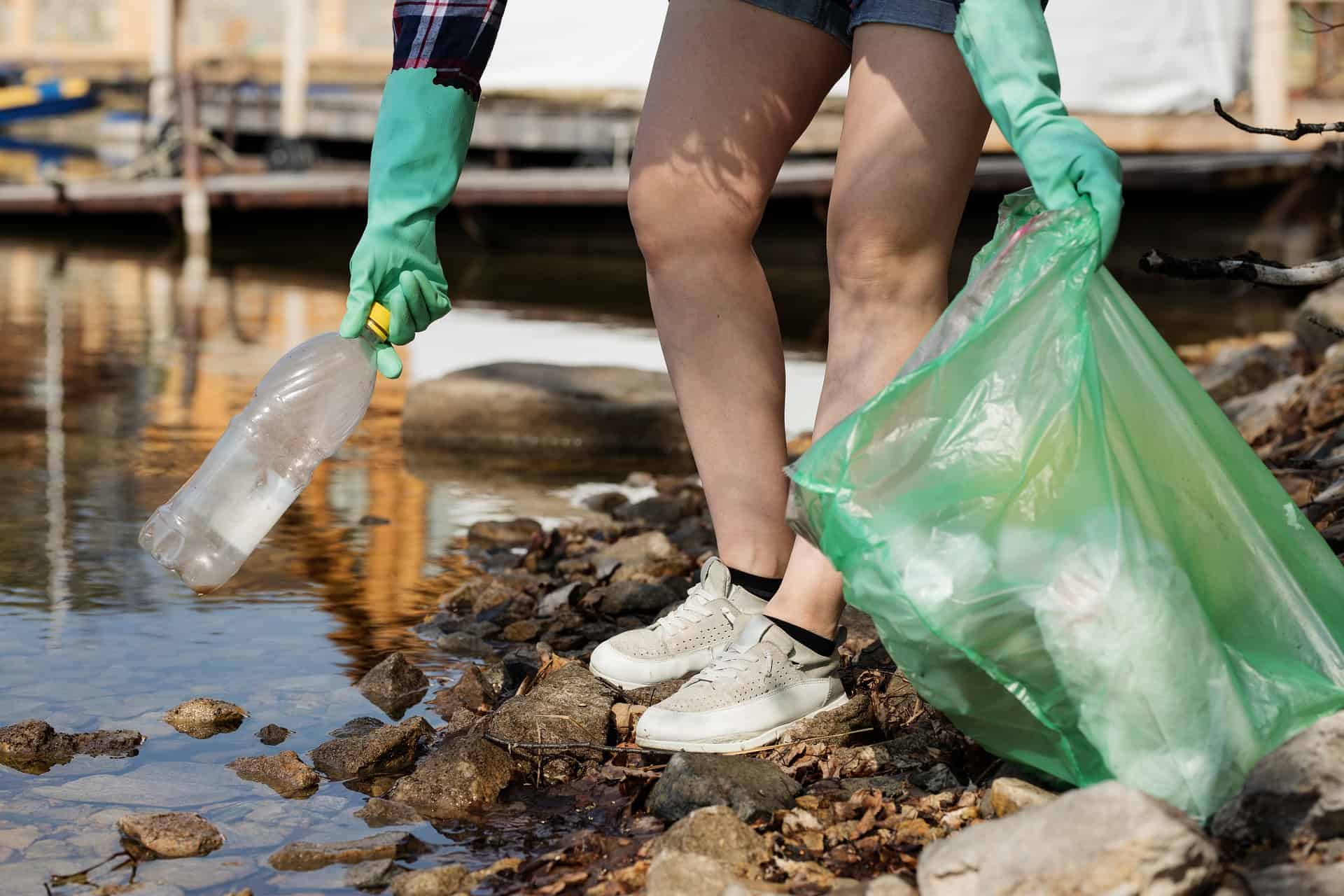
Bahrain will ban all plastic water bottles that have a liquid-holding capacity of less than 200 ml, said local reports on Saturday, July 10.
The move seems to be aimed at reducing plastic waste – and the resultant pollution – across the country.
The reports quoted Bahrain’s Minister of Industry, Commerce and Tourism, Zayed bin Rashid Alzayani, as saying that the ban will be on the making, importing, and sale of all such water bottles.
The decision of the ban was published in an official gazette, and said that it does not include the production of such small water bottles that are meant for export. This effectively means the ban is an internal one.
It will reportedly come into effect six months from the publication of the order in the gazette, and be implemented and enforced by the undersecretary of the ministry and other concerned authorities.
According to the United Nations Environment Program, the world now annually produces 300 million tons of plastic waste, which is equal to the weight of the global human population.
It added that more than 8.3 billion tons of plastic has been produced since the early 1950s. “About 60% of that plastic has ended up in either a landfill or the natural environment,” giving rise to pollution.
Most of this is single-use plastic, like the water bottles that Bahrain plans to ban. And because such plastic is extremely durable, it is very difficult to break them down, which is leading to plastic being found even in the deepest trenches in the ocean.