


-
President Erdogan had said he told central bank governor cutting policy rate in coming months ‘imperative’
-
Turkish economy expanded by 7 percent from Jan-Mar but inflation more than triple the government’s target of 5%
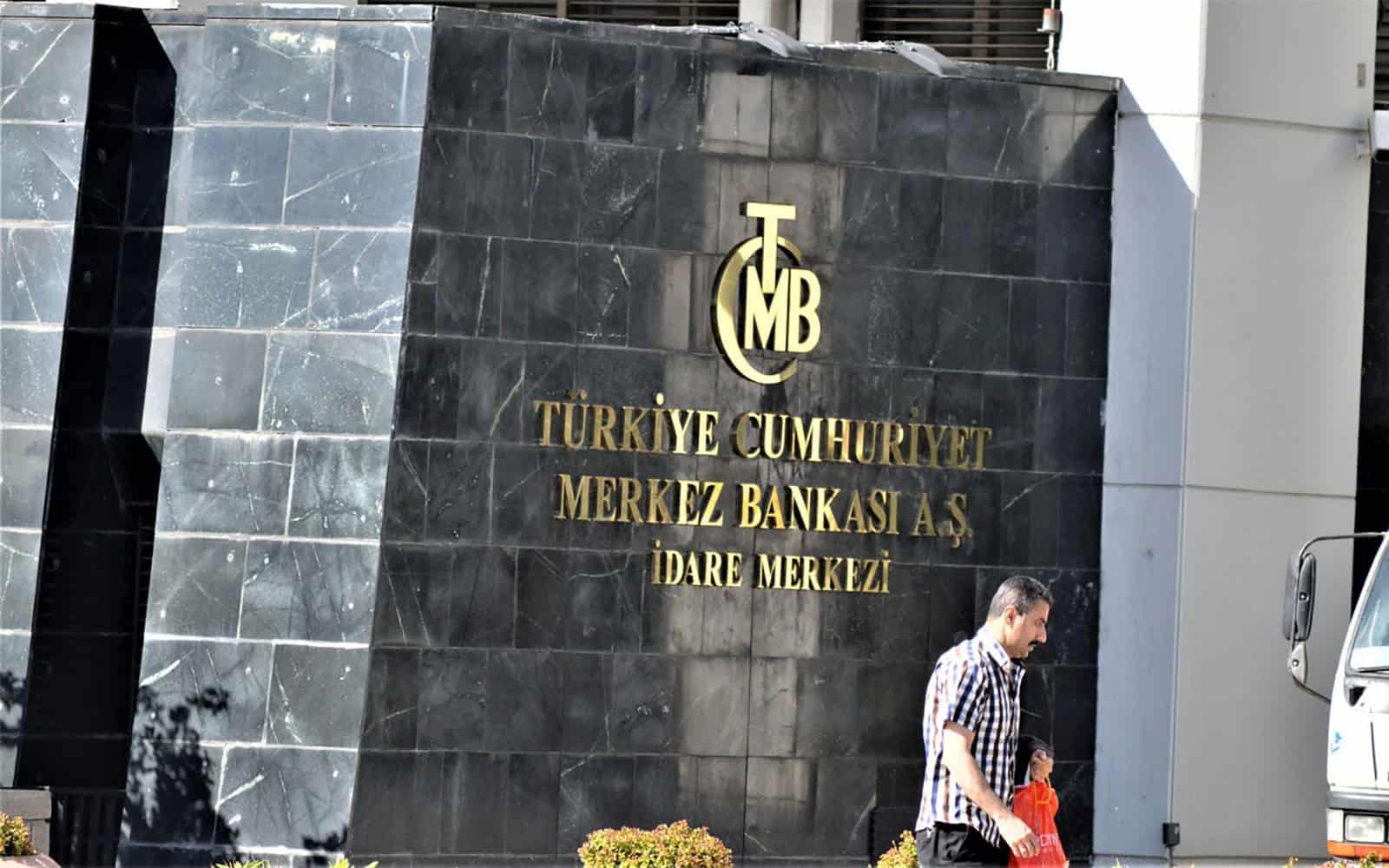
Turkey’s central bank chief is trying to quash speculation that he is about to bow to President Recep Tayyip Erdogan’s pressure and cut interest rates.
The Turkish lira briefly touched a historic low against the US dollar after Erdogan said he told central bank governor Sahap Kavcioglu on Tuesday that it was “imperative” to cut the policy rate in the coming months.
Erdogan has a history of putting pressure on the nominally independent central bank.
He has gone through four central bank chiefs in just over two years and fired a market-friendly governor in March who raised the main rate from 10.25 percent to 19 percent to fight stubbornly high inflation.
The bank held the rate steady at its first policy meeting under Kavcioglu last month.
The new governor told investors in remarks carried by Turkish media that market expectations of an impending rate cut were groundless.
“Expectations of an early policy easing, which are not based on just reasoning, need to disappear,” Kavcioglu was quoted as saying.
The Turkish lira pulled further back from its historic low of 8.8 against the dollar and was trading at around the 8.58 mark after Kavcioglu’s remarks.
Erdogan subscribes to the unconventional belief that higher interest rates cause inflation by raising the borrowing costs of businesses and lead to higher consumer prices.
Most central banks around the world believe the exact oppositive is true.
They note that higher rates make local currencies more attractive for investment and shore up their value against the dollar. They also fight inflation by slowing down spending and reducing consumer demand.
Erdogan said in the televised interview that he expected to see lower rates sometime around July or August.
Kavcioglu left the room open to a slight reduction by repeating his pledge to keep the policy rate above the annual rate of inflation — last reported at 17.1 percent.
“It now appears just a matter of time before (the central bank) moves to loosen policy,” said Jason Tuvey of Capital Economics.
Lower interest rates help Erdogan — struggling from shrinking public support — win backing from businesses hurt by the economic shock of the coronavirus pandemic.
The Turkish economy expanded by seven percent between January and March — one of the best performances in the emerging markets world.
But inflation is more than triple the government’s target of five percent and the lira has lost more than half its value against the dollar since the start of 2018.