
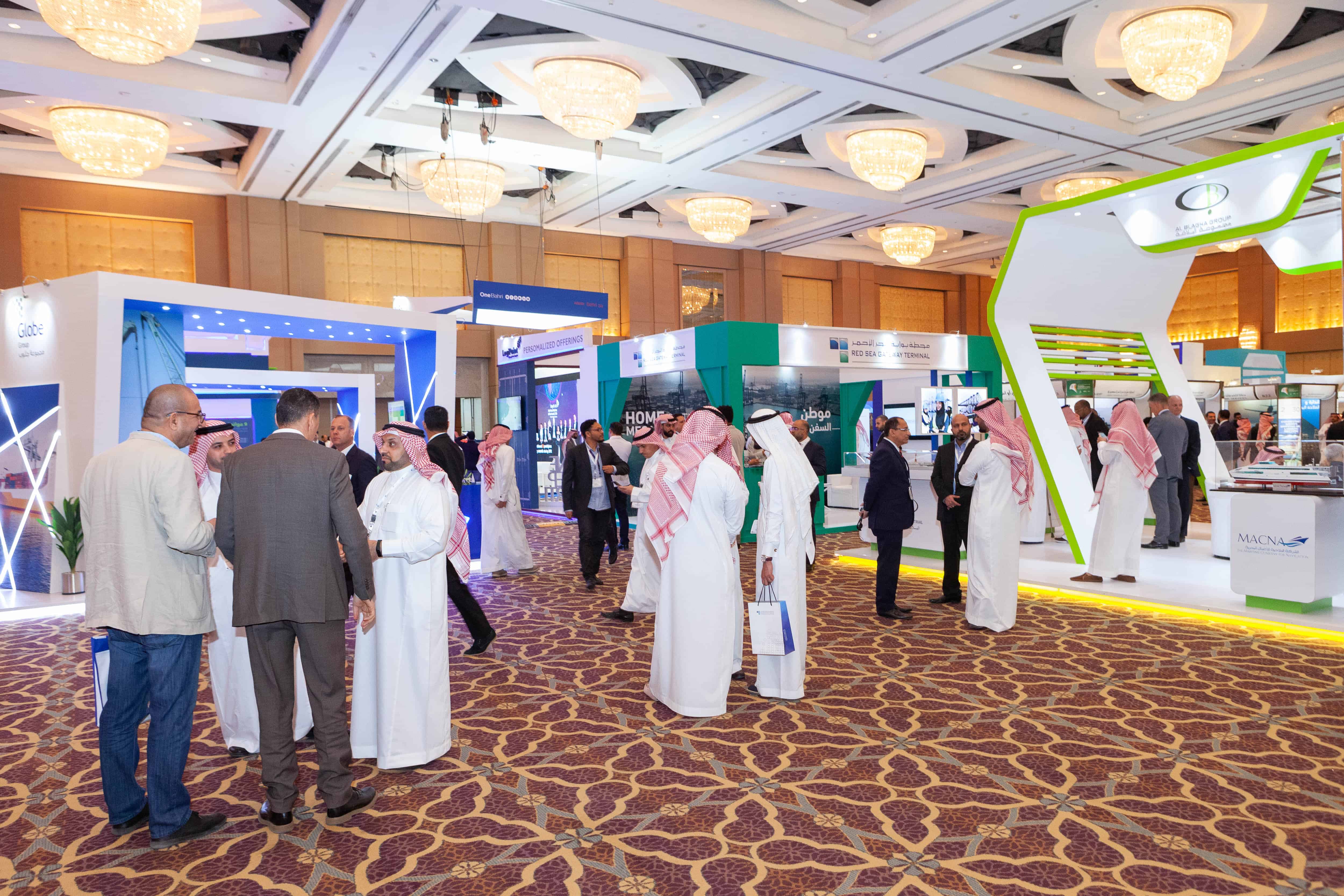


Damaam, Saudi Arabia – Latest innovations and adoption of new technologies within the maritime sector are at the top of the agenda of the third edition of the Saudi Maritime Congress being held on September 28 and 29 at Dhahran Expo in Dammam.
The purpose of the event is to highlight the most significant advancements in the digital transformation and adoption of cutting-edge technological solutions in the sector.
“Ships and offshore-related units have been transformed into sophisticated sensor hubs and data generators, producing, and transmitting information from anywhere, even in real time. Connectivity is also reinforced thanks to satellite communications’ innovations, and therefore, an increased amount of data can be transferred at the lowest cost possible,” Ali Shehab, Global Director of Special Projects & Services, DNV Maritime said.
“Cloud-based technologies, such as big data platforms and digital twin technologies, are currently gaining ground, while having a significant effect on how vessels, offshore units and their machinery are designed and built, as well as, on how the industry handles information,” he added.
Les Shortall, Director of Market Development, Maritime, Inmarsat said that the digitalisation continues to be a driver for enhancing efficiency, safety, and sustainability in the maritime industries, also benefiting the welfare of those working at sea.
“With demand for digital services accelerating dramatically through the pandemic, prompt, reliable and highly efficient data connections are indispensable to accessing cloud services and Big Data applications,” Shortall said. “Inmarsat’s high-efficiency and high-performance communication solutions are helping to transform the shipping industry and creating the ecosystem for artificial intelligence, greater automation, remote support and proactive maintenance to thrive.”