
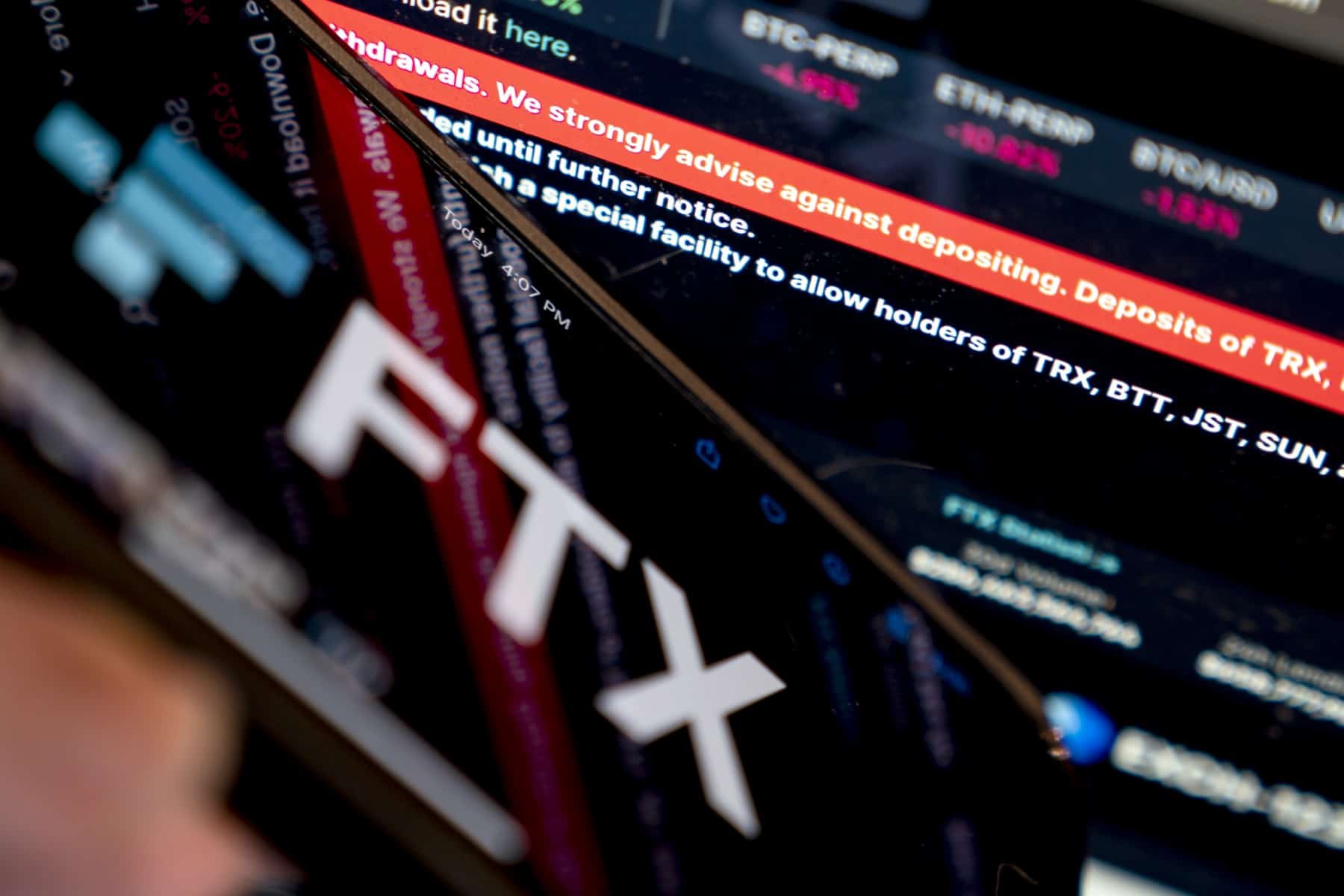


Mumbai, India – India’s central bank governor warned Wednesday that cryptocurrency markets risked causing the next global financial crisis, saying the recent collapse of FTX was proof of the sector’s “inherent risks”.
The comments close out a challenging year for India’s millions of crypto owners, who are already reeling from a global market collapse and steep domestic taxes.
“Unlike any other product, our main concern about crypto is that it doesn’t have any underlying (value) whatsoever,” Reserve Bank of India governor Shaktikanta Das said at an industry event.
“Our view is that it should be prohibited because … if you try to regulate it and allow it to grow, please mark my words: the next financial crisis will come from private cryptocurrencies.”
Cryptocurrencies have been under the scrutiny of Indian regulators since first entering the local market nearly a decade ago, with a rise in fraudulent transactions leading to a central bank ban in 2018.
India’s Supreme Court lifted the restrictions two years later and the market surged, backed by burgeoning local trading platforms and glitzy celebrity endorsements.
But the introduction of a 30 percent tax on profits from trading “private currencies” this year has resulted in trading volumes shrinking to a tenth of their previous size.
A sharp fall in the prices of leading tokens like bitcoin — dubbed a “crypto winter” — has wiped out more than $2 trillion from their global market value since its peak of $3 trillion in November 2021, further spooking traders.
The sudden collapse of FTX — a cryptocurrency exchange worth $32 billion before it filed for bankruptcy last month — and US fraud charges against its one-time billionaire founder Sam Bankman-Fried has intensified scrutiny of the sector.
Das said the fall in crypto prices and recent developments around FTX validated his long-held view that cryptocurrencies have “huge inherent risks for our macroeconomic and financial stability”.
The Reserve Bank of India this year introduced its own digital rupee based on blockchain technology, intended to bring down the costs of commercial transactions as the Indian economy becomes less reliant on paper currency.
Last month, India’s Prime Minister Narendra Modi called for increased regulation of private currencies to stamp out terror funding.
Modi also said last year that bitcoin presented a risk to younger generations and could “spoil our youth” if it ended up “in the wrong hands”.