
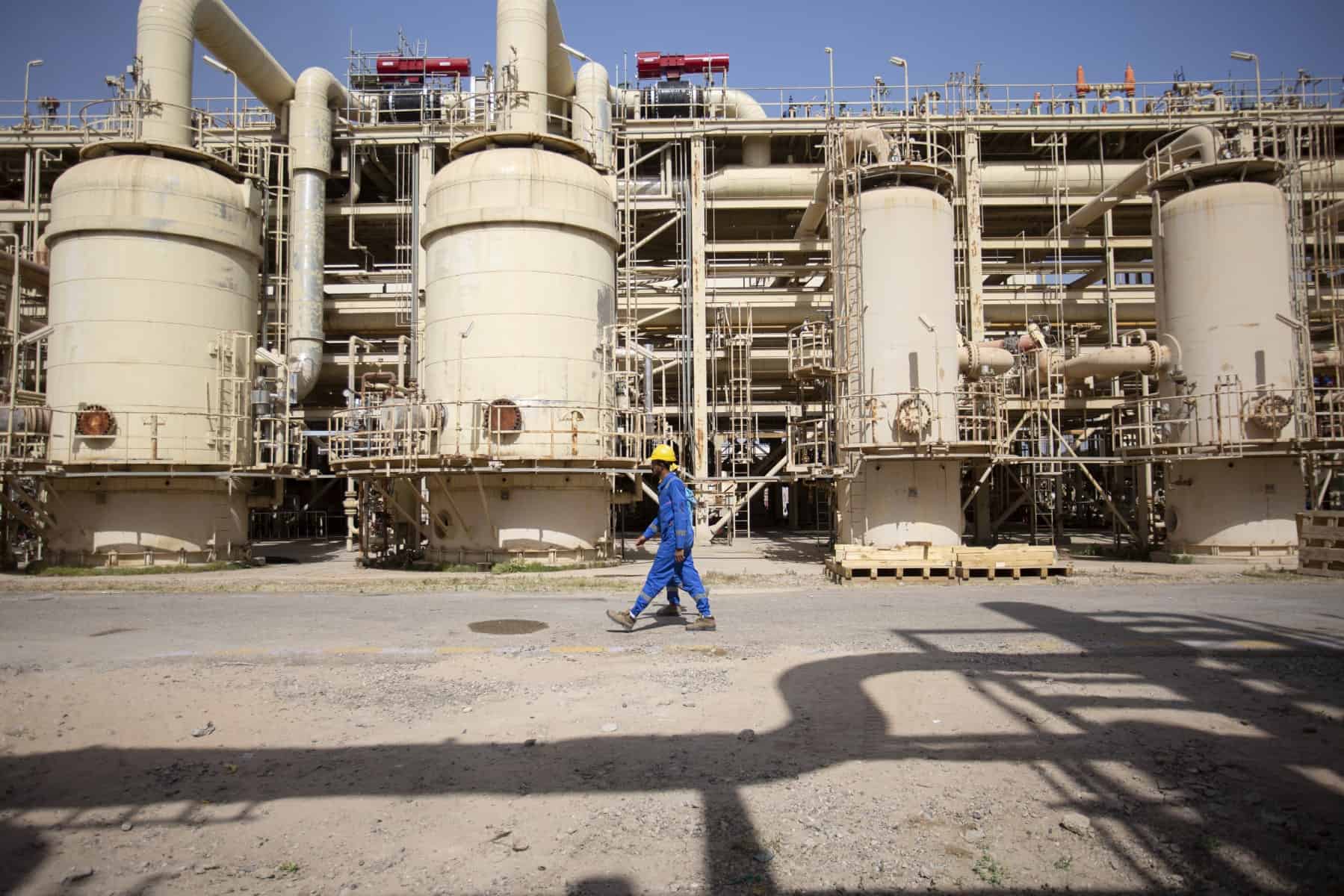


Iraq exported $11.07 billion of oil last month, the highest level for half a century, as crude prices soared amid shortfall fears following Russia’s invasion of Ukraine, the oil ministry said.
The second-largest producer in the Organization of the Petroleum Exporting Countries (OPEC), Iraq exported “100,563,999 barrels for revenues of $11.07 billion, the highest revenue since 1972”, the ministry said.
The figures published late Friday are preliminary data but final data “generally does not vary” much, a ministry official said, speaking on condition of anonymity.
In February, oil revenues reached an eight-year high of $8.5 billion dollars, with daily exports of 3.3 million barrels of oil.
Oil exports account for more than 90 percent of Iraq’s income.
Oil revenues are critical for Iraq’s government, with the country mired in a financial crisis and needing funds to rebuild infrastructure after decades of devastating war.
Iraq, with a population of some 41 million people, is also grappling with a major energy crisis and suffers regular power cuts.
Despite its immense oil and gas reserves, Iraq remains dependent on imports to meet its energy needs.
Neighboring Iran currently provides a third of Iraq’s gas and electricity needs, but supplies are regularly cut or reduced, aggravating daily load shedding.
“Overall, a windfall in oil revenues is positive for Iraq,” said Yesar al-Maleki, an analyst at Middle East Economic Survey.
Oil revenues are critical for Iraq’s government, with the country mired in a financial crisis and needing funds to rebuild infrastructure after decades of devastating war.
Iraq, with a population of some 41 million people, is also grappling with a major energy crisis and suffers regular power cuts.
Despite its immense oil and gas reserves, Iraq remains dependent on imports to meet its energy needs.
Neighboring Iran currently provides a third of Iraq’s gas and electricity needs, but supplies are regularly cut or reduced, aggravating daily load shedding.
“Overall, a windfall in oil revenues is positive for Iraq,” said Yesar al-Maleki, an analyst at Middle East Economic Survey.
“But is a two-edged sword, since it may dampen government efforts to implement economic reforms needed to diversify it’s sources of income beyond oil.”
Many ordinary Iraqis are frustrated that they see little impact of the higher oil revenues trickle down to them, in a country where nearly a third live below the poverty line, according to the UN.
“With the new parliament bringing a more populist flavor of MPs, it is expected that this windfall will lead to greater calls by politicians and the public alike to increase public sector wages and employment,” Maleki added.