


The decision, passed by the government, would see some 400 former SLA fighters who did not hold commanding ranks receiving a one-off grant of 550,000 shekels (around $161,000) towards buying a home over the next four years, the Israeli army said in a statement.
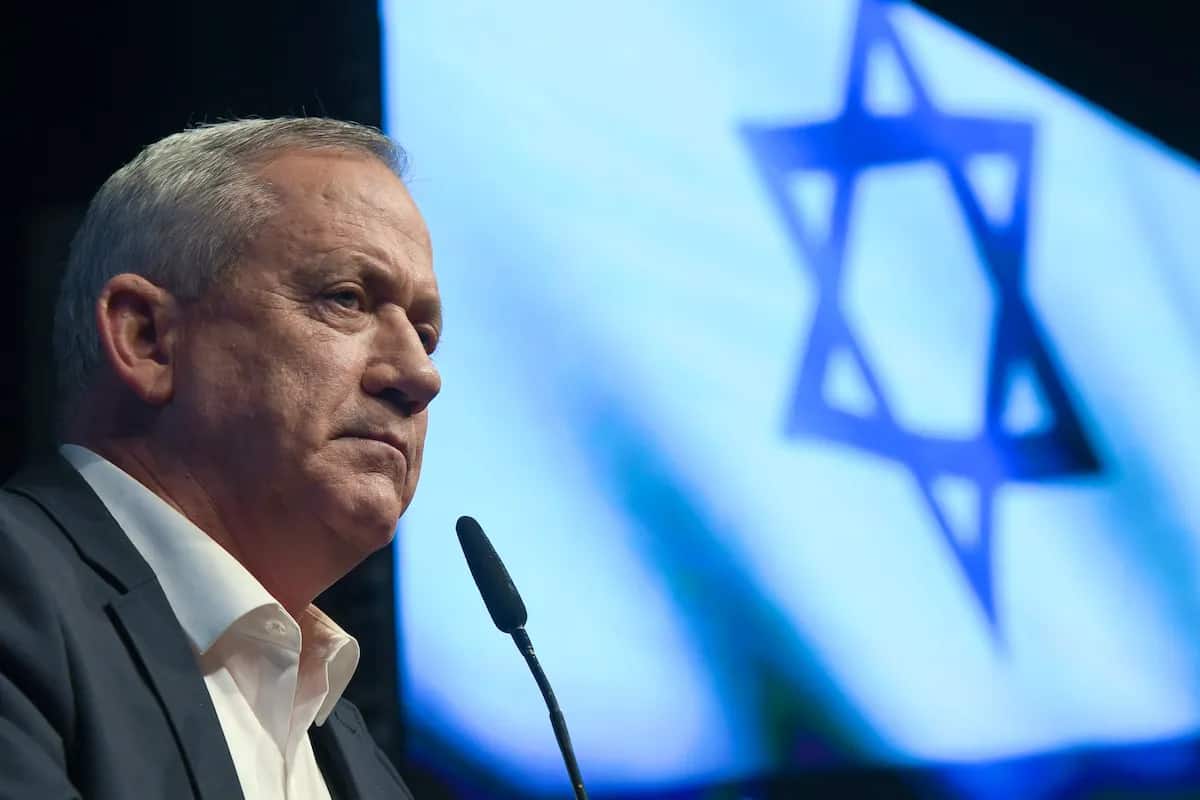
Defense Minister Benny Gantz said he was “proud” of the approval, hailing it as “historic justice to those who fought shoulder to shoulder with us, and were uprooted from their homes and homeland.”
The army said the grant provides “a solution for the housing shortage of around 400 families that were not properly accommodated upon their arrival in Israel,” noting the assistance would be given to SLA widows too, “provided that they reside in Israel”.
The SLA was formed in 1976 as a splinter from the Lebanese army, whose ranks were divided a year after the start of the civil war. Initially it was called the Free Lebanon Army.
The conflict shifted dramatically when Israel invaded the south in 1978 to stop attacks by the Palestine Liberation Organization (PLO) emanating from Lebanon, and the militia started taking its orders from the Israeli army, which trained, funded and supported it.
When the Israeli army withdrew from southern Lebanon in 2000, thousands of SLA members and their families chose to cross the border too, for fear of reprisals from the groups they once fought particularly Hezbollah and settle in Israel or elsewhere.
In 2019, a committee comprised of relatives of exiled SLA members estimated that between 2,400 and 2,700 Lebanese still lived in Israel.
Many SLA veterans say they feel Israeli authorities have abandoned them in their adopted home, often working in low-paying jobs and unable to return to Lebanon.
The Israeli army said the decision had been four years in the making, with a military task force also inaugurating an SLA monument and advancing a museum dedicated to the militia in Israel’s north.
“We value their contribution to the combat achievements in southern Lebanon,” army chief Aviv Kohavi was quoted in the statement as saying.
“Over the years we have not forgotten our allies and our moral duty to help them live a worthy and respectful life,” he added.