
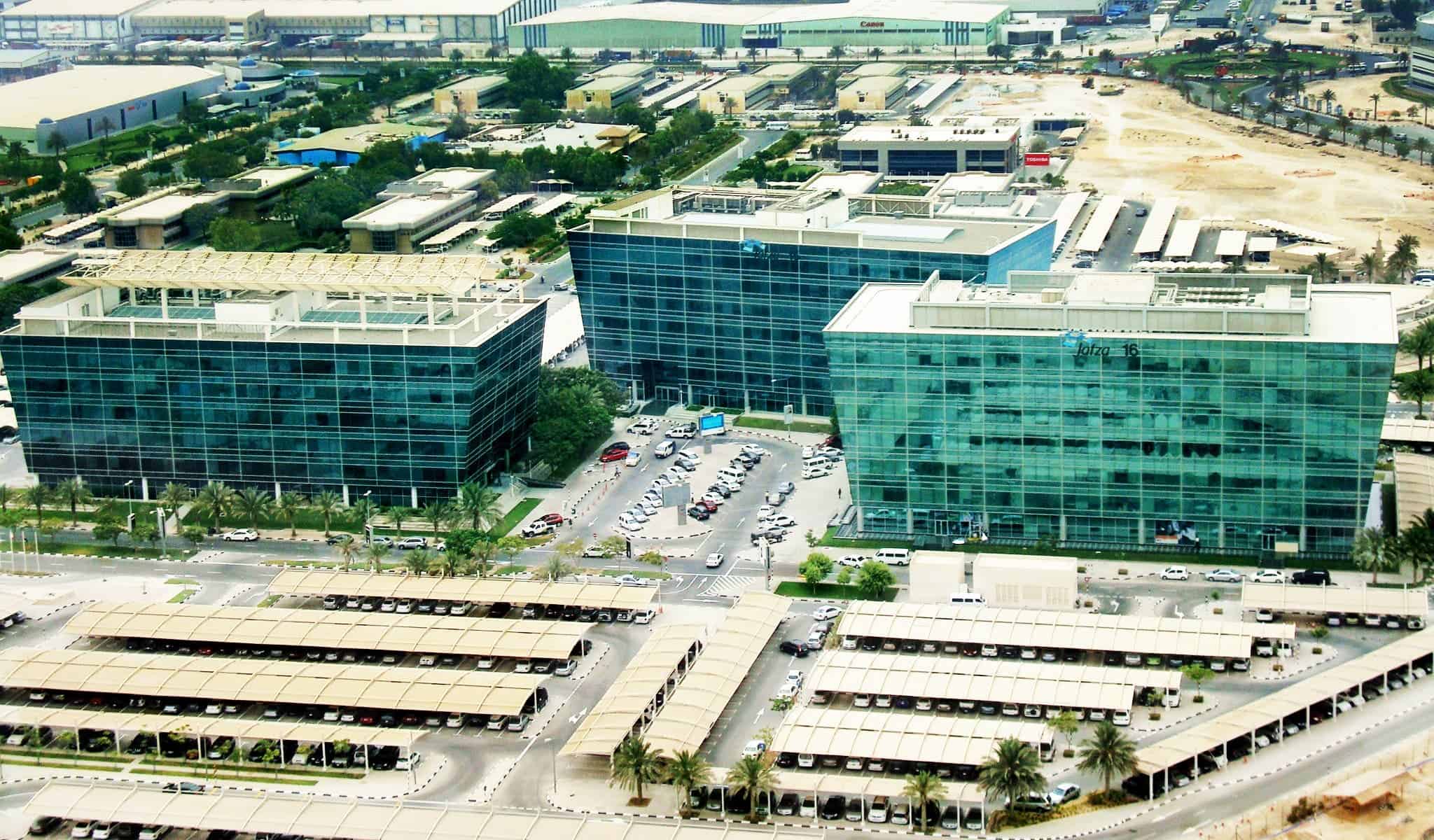


Generating an estimated 20 per cent of Dubai’s total F&B trade, Jebel Ali Free Zone’s (Jafza) Food and Beverages cluster offers a plethora of lucrative incentives, such as customs, no corporate tax and VAT exemptions, all of which drive its continued growth plans.
By deploying and embracing the latest trends in food manufacturing and distribution, the free zone drives local food production in the country, contributing to realising the National Food Security Strategy 2051 targets.
“The F&B industry is rapidly evolving as a result of new industry trends and technological advancements,” Ahmad Al Haddad, Chief Operating Officer, Parks and Zones, DP World UAE, said. “As a global food logistics and manufacturing hub, the UAE’s role is consequential. The free zone’s ability to cater to diverse F&B industries and support farm-to-shelf supply chain activities is unmatched.”
Jafza is home to some of the world’s leading brands, including Unilever, Nestle, Heinz, McCain, Hunter Foods, Alokozay Group of Companies, Al Khaleej Sugar, Bayara, to name a few.
The F&B markets account for an annual increase of 3.8 percent, and the Middle East and Africa region are positioned as global gateways for Halal industries.
Jafza’s Halal F&B Trade Incubation Centre in Jafza One offers premium benefits, lowering operational costs of halal foods businesses, thereby catering to the growing “halal foods” sector, which is projected to reach US$739.59 billion by 2025 as per predictions by Grand View Research Inc.
The free zone has been the driving force for the coffee trade through Dubai. Over the last five years, the coffee trade witnessed a growth of 26 per cent CAGR. 67 import countries and 51 export countries contribute to this surge, with the UAE occupying a mega share of 37 per cent as the key export country. The free zone attracts leading coffee companies worldwide, providing warehousing, packaging, roasting and other facilities.
Jafza has also been steering the tea trade in the country at the forefront of tea trading and re-export. The UAE imports tea from over 60 countries and exports to over 127 countries. An estimated 174,000 metric tonnes of tea, valued at over AED2.6 billion, passed through the UAE. As the largest tea processing centre, Dubai produces nearly 20 billion cups of tea annually. Contributing to this growth is the tea segment in Jafza that offers world-class tea blending, packing, and manufacturing. Some of the free zone’s top trading partners include the Middle East, Australia, South Asia, Europe and West Africa.
Boosting the local and regional F&B industry is Jebel Ali Port’s first-of-its-kind F&B Terminal equipped to process cereals, meat and seafood products, bottled water, and dairy products with specialised facilities for oil, tea, coffee, cacao, spices, and various primal food products.
ZADI, an online cross-border trade facilitation platform for food shipments by Dubai Trade is DP World’s single window for all digital trade solutions. The platform efficiently connects food traders with food sources.
The onset of the pandemic and its economic impact has profoundly altered consumer behaviour. Despite this, Fitch Solutions has forecast that food spending growth will accelerate in 2022, expanding by 4.3 percent, up from 2.6 percent in 2021. Food spending is expected to grow by an average annual growth rate of 4.2 percent over the next three years (2022 – 2025).