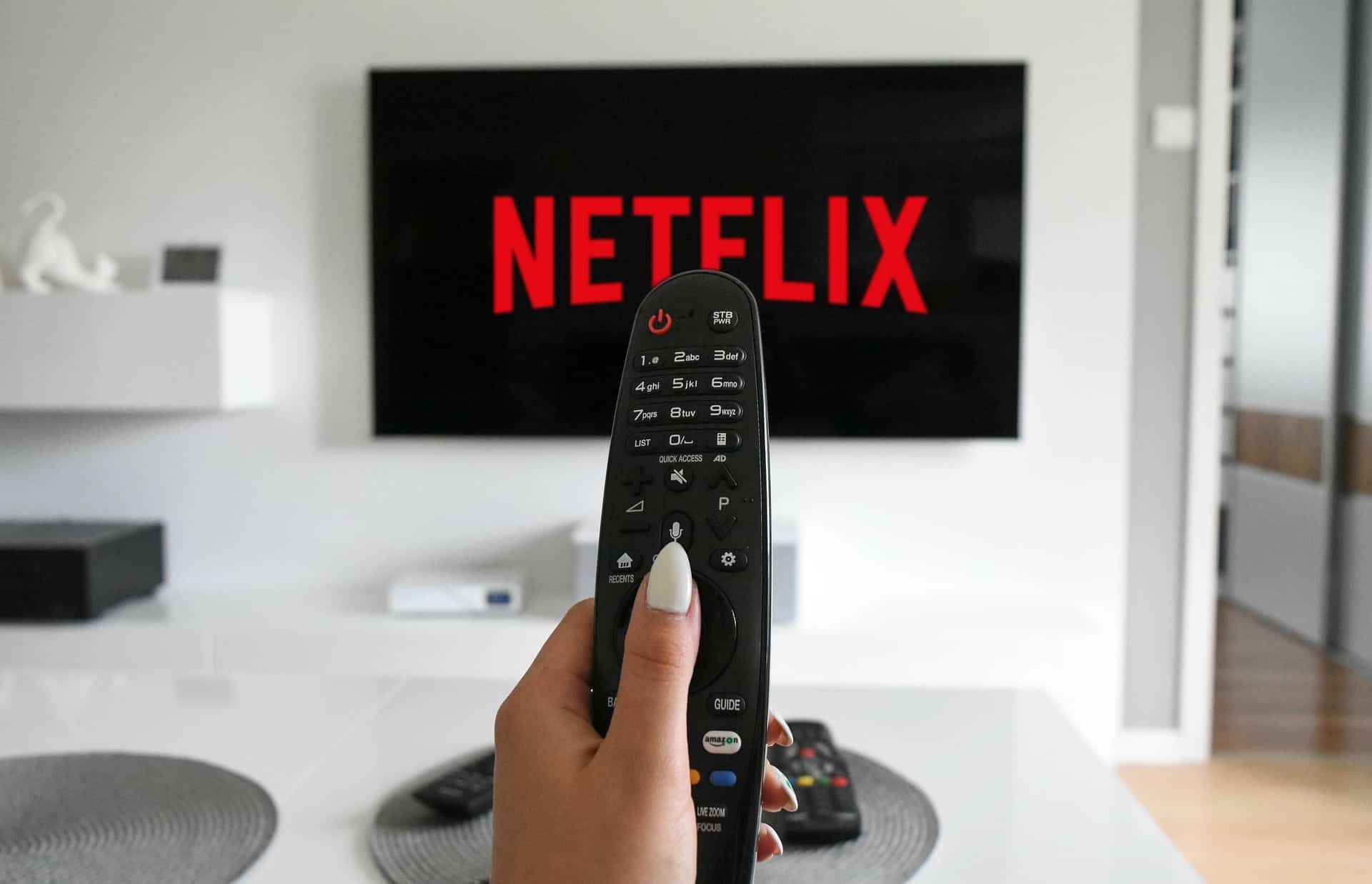

San Francisco, United States– Netflix on Tuesday expanded its crackdown on users sharing passwords with people beyond their immediate family as it seeks to shore up revenue at the leading streaming television service.
“A Netflix account is for use by one household,” the company said in a statement.
Netflix said early this year that more than 100 million households were sharing accounts at the service, “impacting our ability to invest in great new TV and films.”
Netflix has experimented in a few markets with “borrower” or “shared” accounts, in which subscribers can add extra users for a higher price or transfer viewing profiles to separate accounts.
On Tuesday, it announced it was expanding the policy to more than 100 countries.
As growth at Netflix cooled last year, the Silicon Valley-based streaming giant set out to nudge people watching for free with shared passwords to begin paying for the service without alienating subscribers.
“This account sharing initiative helps us have a larger base of potential paying members and grow Netflix long term,” co-chief executive Ted Sarandos said on an earnings call.
Enticed by ads?
The company told financial analysts recently that it had delayed a broad crackdown on password sharing “to improve the experience for members.”
Netflix said it made sure subscribers have seamless access to the service away from home or on various devices such as tablets, TVs or smartphones.
“They are just trying to reduce theft of their service,” independent tech analyst Rob Enderle of Enderle Group said.
He reasoned that Netflix likely pays royalties when subscribers watch some shows or films on the platform, so non-paying viewers could add to the service’s expenses while not contributing to revenue.
“In theory, Netflix loses money because they are paying royalties and people are getting the shows for free,” Enderle said.
“It makes no sense for Netflix to allow that to continue.”
Netflix in April said its subscriber numbers hit a record high 232.5 million in the first quarter of the year and that its nascent ad-supported tier was faring well.
The company said in a recent presentation to advertisers that it had more than five million subscribers to its ad-support tier.
The launch of an ad-subsidized offering around the same time as a crackdown on password sharing is no coincidence, reasoned Insider Intelligence senior analyst Ross Benes.
“People who freeload, as well as those who choose cheaper advertising tiers, tend to be price-sensitive customers,” Benes told AFP.
“For the freeloaders who get booted, the cheaper ad tier will be an attractive option.”
Getting people viewing for free to sign up for the Netflix ad tier would improve its appeal to advertisers, Benes added.
But there is also the risk that people no longer getting Netflix free will opt to “glom onto their friends’ and families’ Prime Video, Disney+, or Max instead,” Benes said, referring to rival streaming services.
For the first time ever, US adults will spend more time this year watching digital video on platforms such as Netflix, TikTok and YouTube than viewing traditional television, Insider Intelligence has forecast.