


KUWAIT CITY — The Organization of Arab Petroleum Exporting Countries (OAPEC) needs to keep pace with its counterparts from international organizations with similar activity, said OAPEC Secretary General Jamal Al-Loughani.
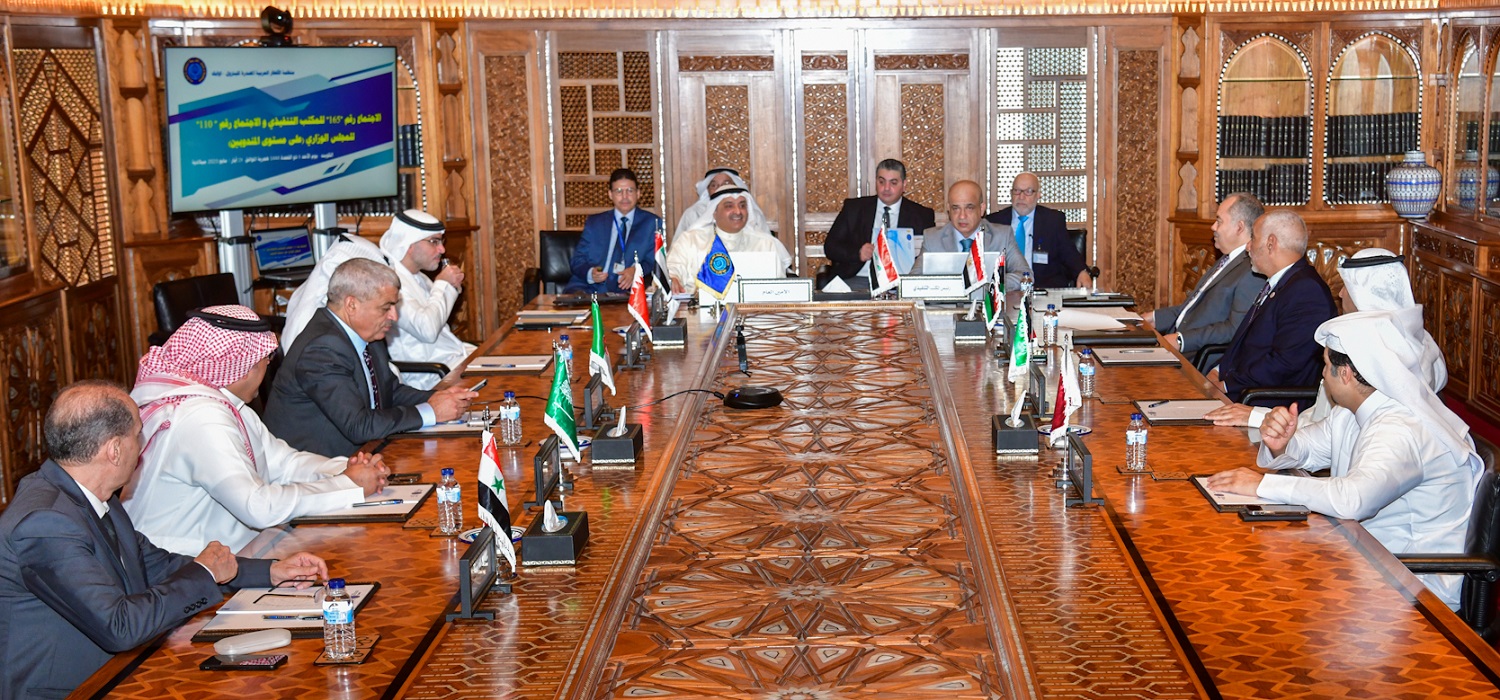
Al-Loughani made this remark during the 165th Executive Bureau’s meeting and the OAPEC 110th Council of Ministers meeting held in Kuwait. The meeting was chaired by Engineer Nasir Aziz Jabbar, the representative of Iraq, which currently presides over the council.
The meeting’s agenda includes the approval of the final accounts of the General Secretariat and the judicial body of the organization for the year 2022, in addition to the studies it completed during the first half of this year, OAPEC chief said.
The cooperation of all parties will achieve the best-desired results and goals for which it was established, he added.
In separate interviews, Al-Loughani had earlier warned though that global developments will have an impact on the overall growth of the oil sector, as central banks around the world are increasing interest rates to tame rising inflation.
He had also pointed out the ongoing effects of the Russia-Ukraine conflict on the global oil market balance.
Countries utilizing their oil reserves to maintain market equilibrium might not find this strategy effective long term, Al-Loughani warned, as reserves will need replenishment. In agreement with other major oil exporters, he underscored the necessity for investment in the oil sector to secure future energy availability.
The secretary-general stated that escalating geopolitical tensions in Eastern Europe and related policy decisions could trigger increased intervention from EU countries and allies in the oil market. On the Russian crude price cap issue, he mentioned its consequence – a 500,000 bpd production cut by Russia, warning that such reactive measures risk depleting strategic reserves and intensifying market tightness.
Al-Loughani praised Saudi Arabia’s efforts in maintaining oil market stability, critical for global economic growth. However, he expressed concern over the potential threat to future energy security posed by insufficient investment in the global oil sector, leading to a slowdown in oil reserve growth due to diminished exploration and production activities.