
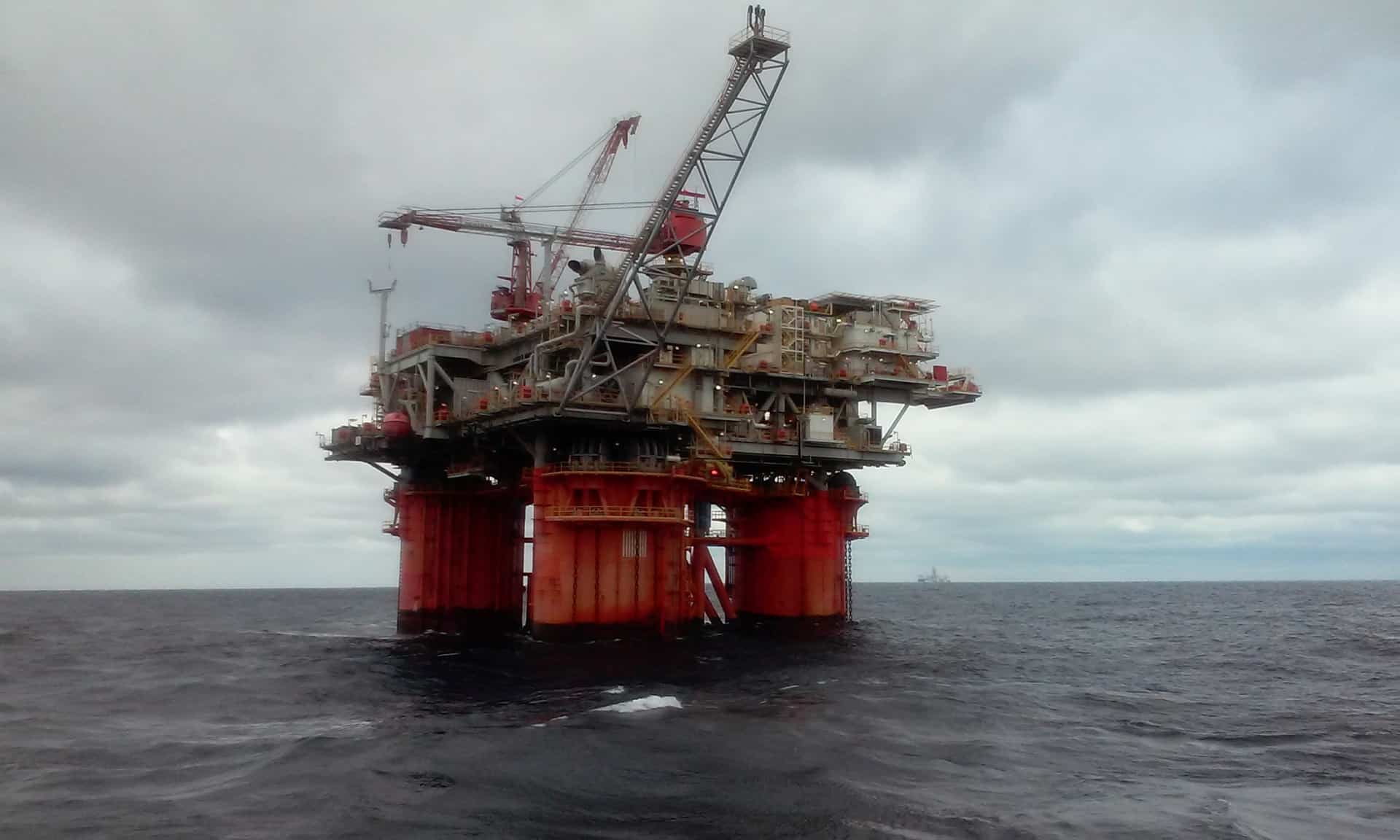


Major oil producers are due to meet on Thursday, December 2, to decide on output levels from January onwards, which could be frozen as the new Covid-19 variant Omicron sparks turmoil.
The OPEC+ alliance led by Saudi Arabia and Russia has so far resisted US-led pressure to significantly boost output to rein in surging energy prices.
The emergence of the new variant has further complicated the equation, leading to countries reinstating travel bans and mulling further restrictions that could tighten demand and hurt oil prices.
The 13 members of the Organization of the Petroleum Exporting Countries (OPEC) and their 10 allies are due to meet from 1300 GMT via video conference after technical discussions.
Analysts predict the alliance will decide to stop modestly increasing output by 400,000 barrels per day every month as they had planned and as they have been doing since May.
“The arrival of the Omicron variant and the ensuing sell off obviously increases the odds that OPEC+ will opt to hit the pause button on the planned 400 kb/d monthly production increase when they meet on Thursday,” Helima Croft of RBC Capital Markets said.
“The market would find it virtually impossible to absorb this additional oil, especially as it will be flooded in the first quarter,” Carsten Fritsch of Commerzbank said.
The OPEC+ meeting comes a week after the United States and to a lesser extent China, India, and Japan decided to dip into their strategic reserves to help bring down crude prices, after a price surge that has undermined economic recovery.
But the detection of the new variant last week caused crude prices to plunge more than 10 percent, a first since the massive drops of April 2020 when the pandemic started to hit hard.
Prices now hover around $70 a barrel.
‘Remain cautious’
OPEC ministers — who have been so far eager to maintain current price levels — remained vague on Wednesday.
“In this uncertain period, it is imperative to remain cautious in our approach and ready to react to market conditions,” Angola’s Oil Minister Diamantino Azevedo said.
Washington has called on the cartel to further open the tabs.
International Energy Agency Executive Director Fatih Birol said on Tuesday he hoped OPEC+ would continue their current policy of increasing production.
The group’s capacity is some 10 times higher than the 400,000 barrels per day that they have been adding to the markets every month.
Peter McNally, an analyst at the Third Bridge think tank, said earlier that the meeting was “one of the most significant since the pandemic demand recovery began”.
OPEC+ drastically slashed output last year as the pandemic began to unfold, and virus-related restrictions caused demand to crash.