
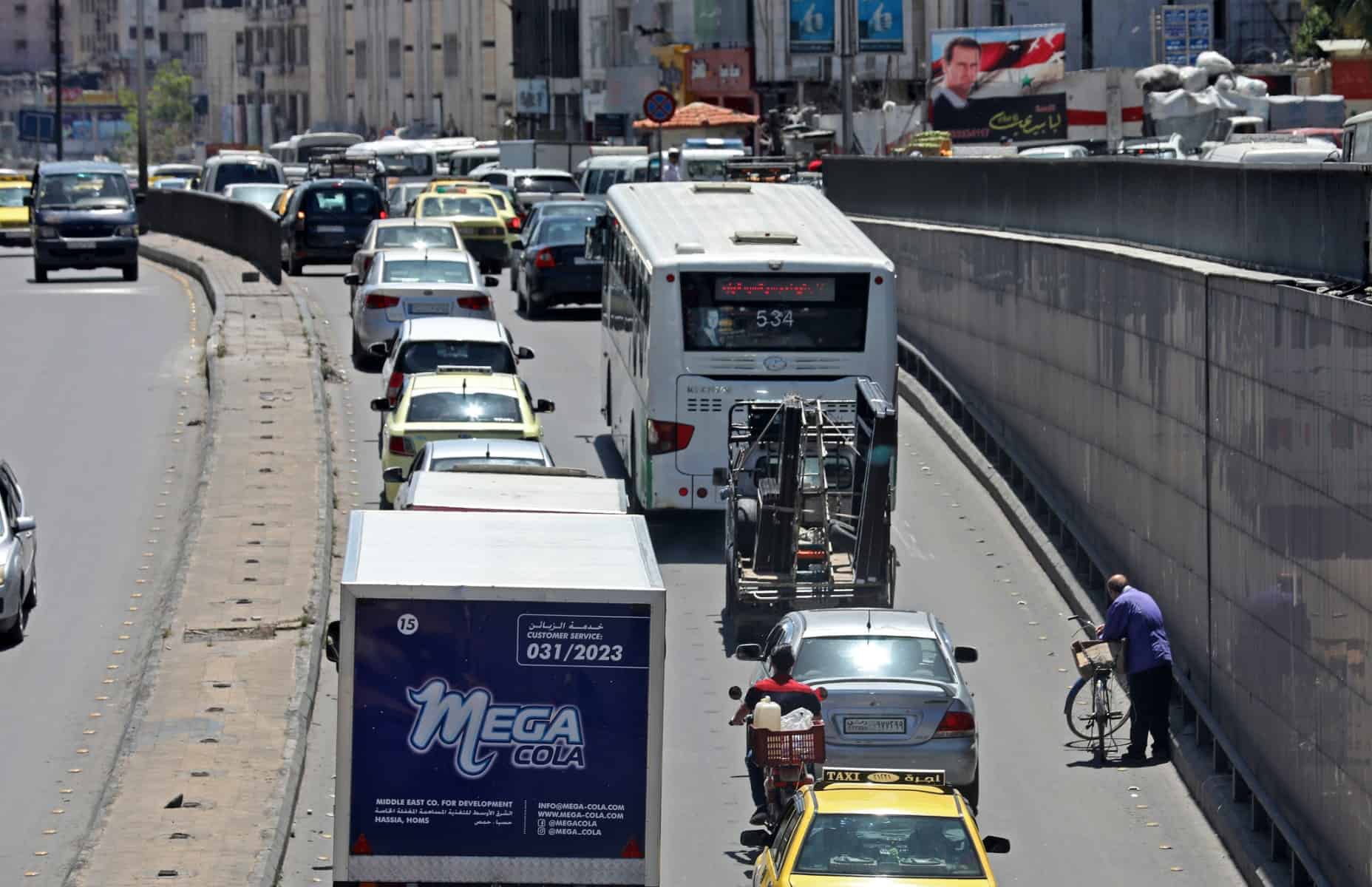


Syria’s internal commerce ministry has announced a petrol price hike of around 130 percent in the war-torn country facing fuel shortages and extended power cuts.
The cost of a liter of subsidized fuel will rise to US$0.99 (2,500 Syrian pounds), from US$0.43 (1,100 Syrian pounds) previously, a rise of 127 percent, the ministry said in a statement quoted by the official SANA news agency late Saturday.
The cost of non-subsidized petrol will rise from US$1.39 (3,500 Syrian pounds) to US$1.59 (4,000 Syrian pounds), the ministry added.
The increases represent the third time this year that authorities have increased the price of fuel, as the Syrian pound continues to depreciate.
“This measure will hit everyone,” said Raed al-Saadi, a warehouse worker. “Our salary is now only enough to get us to the workplace, and not even enough to get us home again.”
“Life has become very difficult and I don’t where this situation will lead us,” the 48-year-old added.
Since the outbreak of war in 2011, Syria’s oil and gas sector has suffered losses amounting to tens of billions of dollars.
The economy has been hit hard by both the long-running war and sanctions imposed against Damascus.
A UN commission in March called for a review of sanctions against President Bashar al-Assad’s regime because of concerns that the measures were hitting ordinary people too hard.
The conflict in Syria started in 2011 with protests, which escalated to pull in foreign powers and global jihadists.
It has killed around 500,000 people and displaced around half of the country’s pre-war population.