
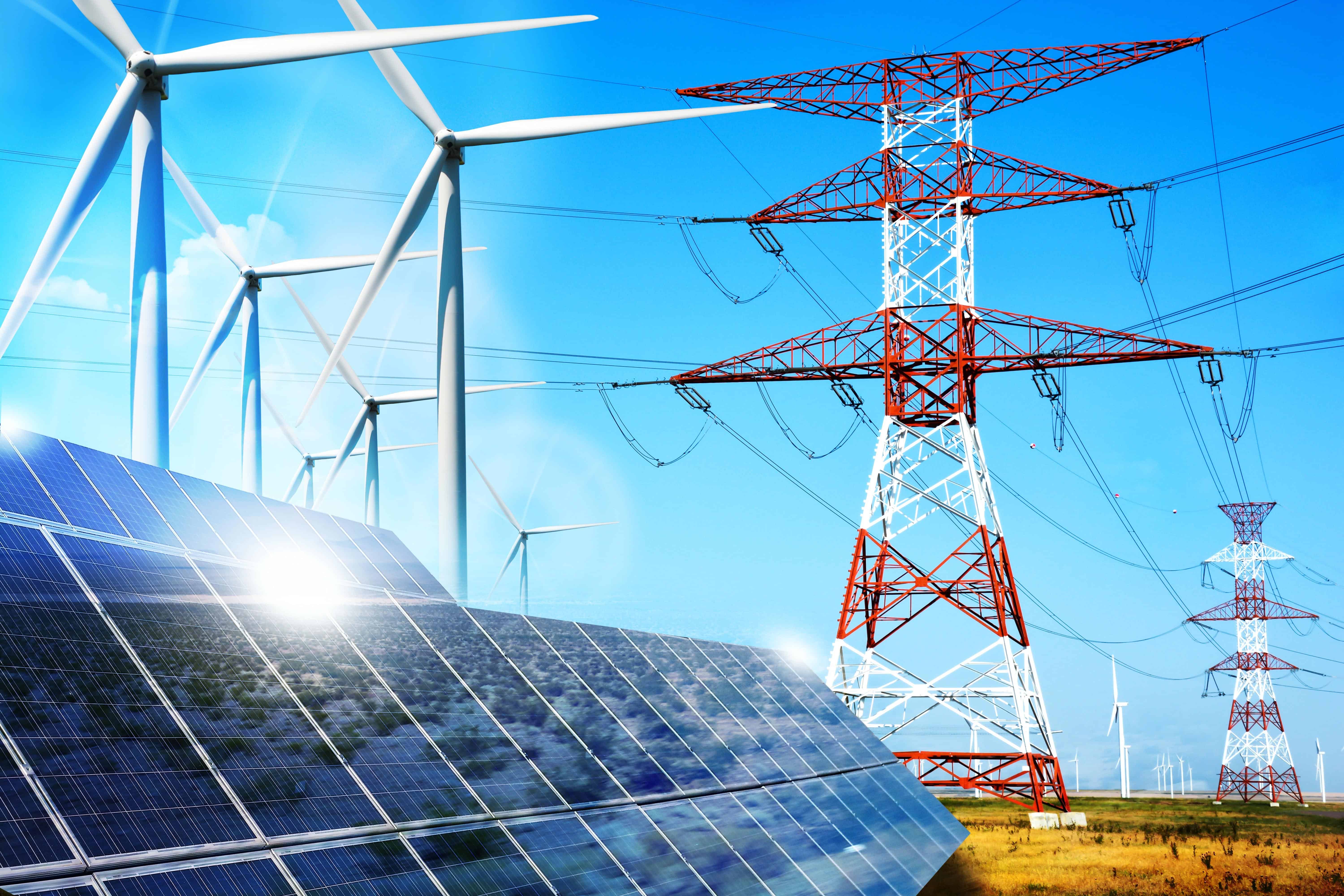


Abu Dhabi, UAE— The UAE’s Ministry of Energy and Infrastructure has announced the approval of the federal law regulating the linkage of distributed renewable energy production units to the electrical grid.
The new law aims to enable the production of electricity from renewable sources and achieve the UAE’s objectives in terms of diversifying renewable energy sources and optimal utilization of natural resources, to cut emissions and achieve carbon neutrality.
The UAE has made large investments over the last several years to develop renewable sources of energy. Early this month it signed a partnership agreement with the US. The two signed Partnership for Accelerating Clean Energy (PACE), which will catalyze $100 billion in financing and other support in addition to deploying 100 new gigawatts (GW) of clean energy in the US, UAE and emerging economies around the world by 2035.
According to Suhail bin Mohammed Al Mazrouei, Minister of Energy and Infrastructure, the new law supports environmental conservation efforts by reducing the country’s carbon footprint, reducing peak electricity demand rates, and setting a clear path to achieve the objectives of both the UAE Net Zero by 2050 Strategic Initiative and the UAE Energy Strategy 2050.
Al Mazrouei explained that the law seeks to unify efforts across federal and local government entities, as well as the private sector, to enhance the UAE’s leading role in keeping pace with the global energy transition and push its drive to achieve net-zero targets.
In October this year, MD and CEO of Dubai Electricity and Water Authority Saeed Mohammed Al Tayer said DEWA had added 300 megawatts of photovoltaic solar energy in 2022 from the fifth phase of the Mohammed bin Rashid Al Maktoum Solar Park using the Independent Power Producer (IPP) model.