


The United Arab Emirates has presented its Fourth National Report on Spent Nuclear Fuel, Radioactive Waste Management at the International Atomic Energy Agency (IAEA) headquarters in Vienna, Austria.
The UAE is participating as a Contracting Party to the Joint Convention on the Safety of Spent Fuel Management and on the Safety of Radioactive Waste Management., which is holding its 7th review meeting at IAEA.
The national report describes the legislative and regulatory measures taken by the UAE to meet its obligations in relation to the joint convention.
The Federal Authority for Nuclear Regulation (FANR) issued and drafted six regulations containing requirements on managing radioactive waste such as ‘Radiation Protection and Predisposal Radioactive Waste Management in Nuclear Facilities’, and ‘Decommissioning of Facilities’, and is working on developing another regulation on ‘Decommissioning Trust Fund’.
Such efforts reflect the UAE’s commitment to the 2008 Nuclear Policy, where it has plans to develop an integrated waste management system that reflects the highest standards of international practices.
The report also addresses options in regards to spent fuel and radioactive waste management.
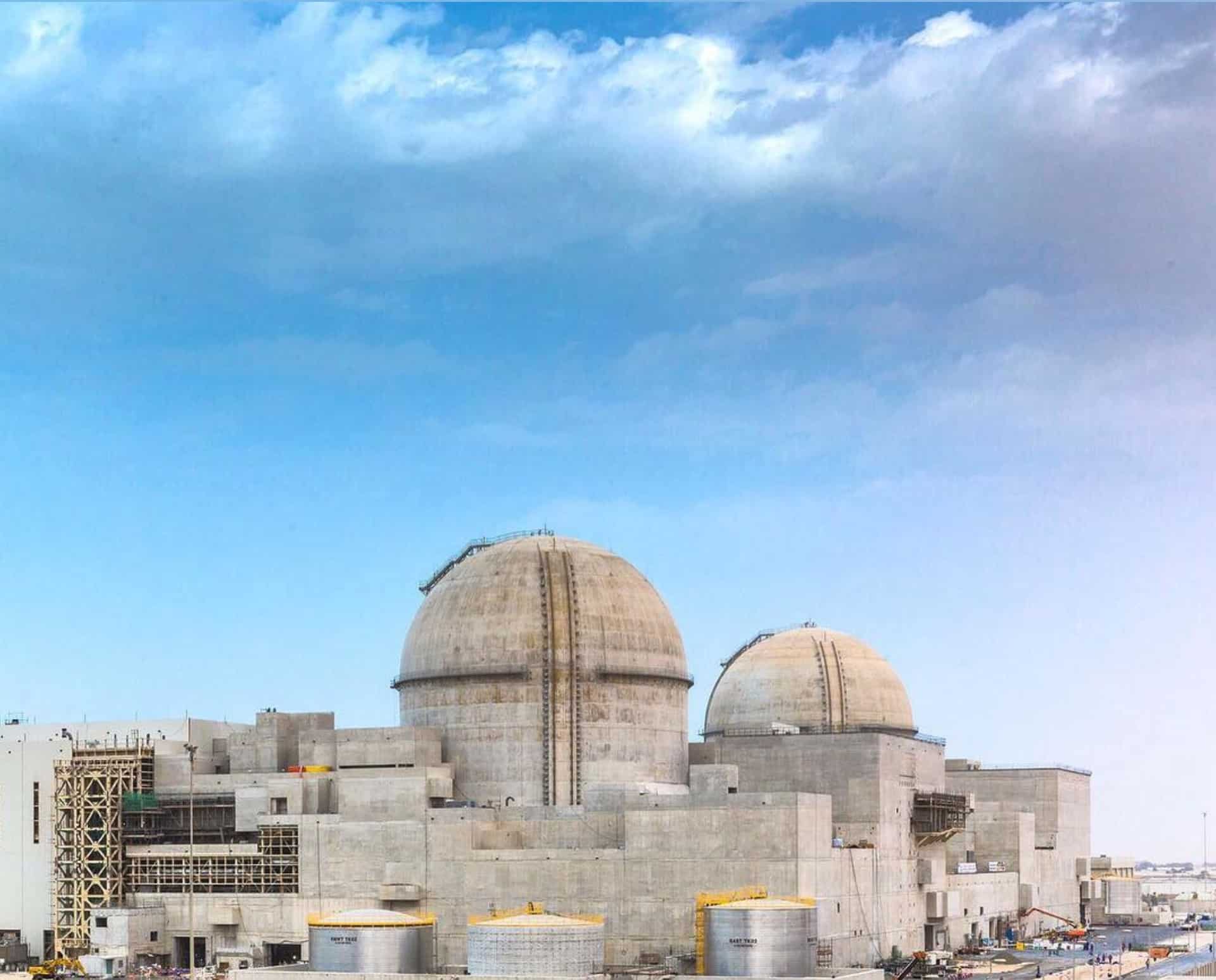
Emirates Nuclear Energy Corporation (ENEC) and its affiliates have taken some measures such as the design of Barakah Nuclear Power Plant provides sufficient capacity to store spent fuel in a pool made for every unit.
In addition, concerned entities are working to look at long-term spent fuel management options for different scenarios.
The delegation also presented measures taken to address non-nuclear radioactive waste produced from medical and industrial facilities across the UAE.
Presently, there are over 2,000 licensees using regulated material. Radioactive sources in the UAE are used for medical, industrial, educational sectors and the oil and gas industry.
The delegation presented the efforts of national stakeholders to build Emirati capabilities in the nuclear sector in collaboration with several UAE educational and training institutions.
Intensive training programs were put in place to qualify and build the experience of the knowledge-intensive nuclear sector.
FANR also certified over the past four years around 157 Reactor Operator/Senior Reactor Operators who are qualified to operate nuclear power plants.
“The UAE is committed from day one of embarking its Nuclear Energy Program to adopt the highest standards of safety and meet international obligations,” said Ambassador Hamad Al Kaabi, UAE Permanent Representative to the IAEA, who delivered the UAE’s presentation.
“The UAE’s fourth National Report to the Joint Convention is a collective effort of our national stakeholders to share with the public and international community our plans to manage spent fuel and radioactive waste and ensure the safety of the people and the environment,” he said.
The UAE’s delegation to the IAEA is led by Al Kaabi as well as representatives of national nuclear stakeholders, including Federal Authority for Nuclear Regulation, the Emirates Nuclear Energy Corporation (ENEC) and Nawah Energy Company (NAWAH).
The Joint Convention on the Safety of Spent Fuel Management and on the Safety of Radioactive Waste Management came into force in 2001 and called for all Contracting Parties to take measures to protect people and the environment from radiological and other hazards potentially posed by spent nuclear power plant fuel and radioactive waste.
Contracting Parties submit a national report to a review meeting at the IAEA every three years that describes the measures taken to implement the obligations of the Joint Convention.
The United Arab Emirates acceded to the Joint Convention in 2009.