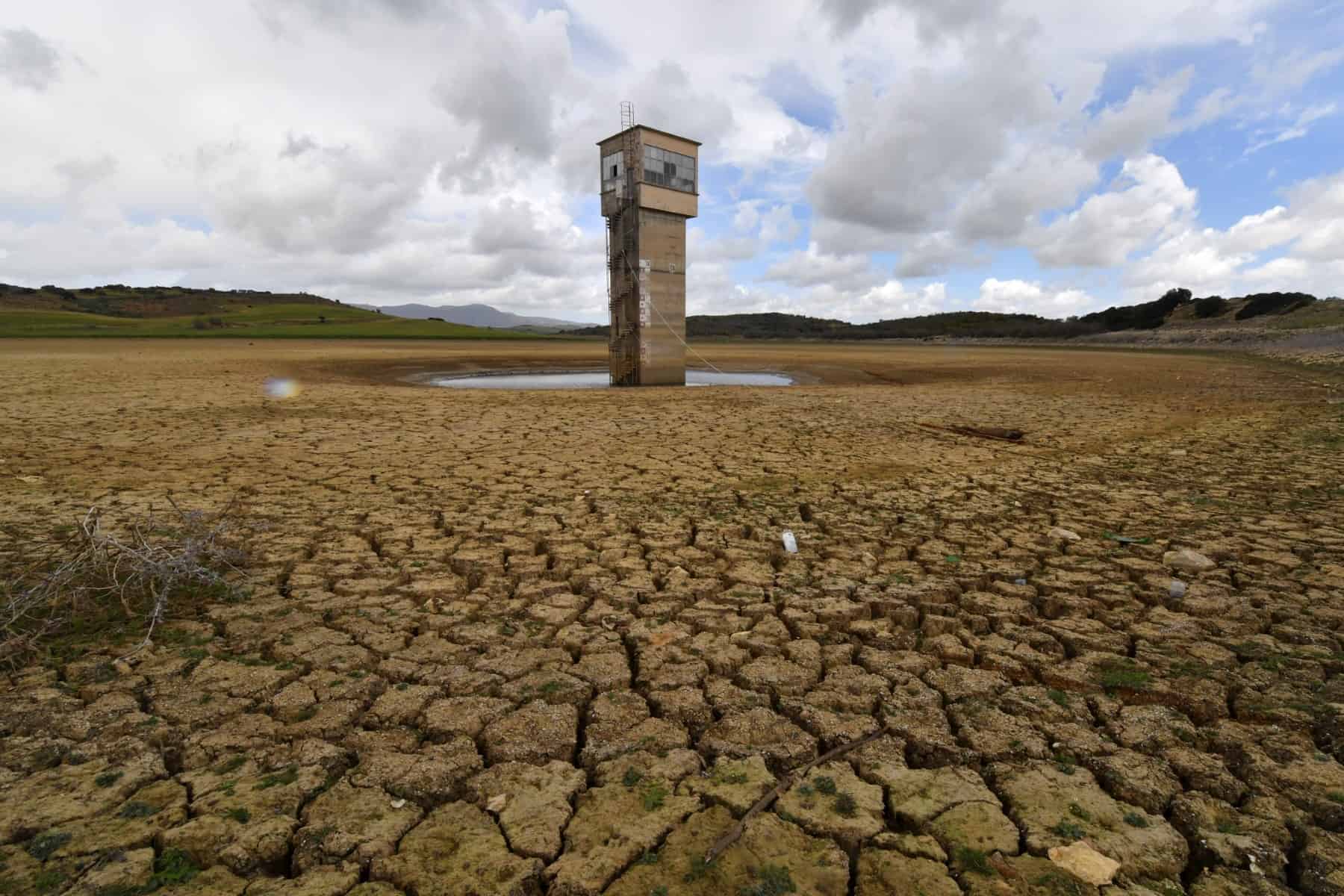

PARIS, FRANCE – Heatwaves and floods inflict greater economic pain on rural women than men because climate change intensifies existing inequalities, the United Nations’ food and farming agency said on Tuesday.
Scientists say the effects of rising temperatures are already being felt most acutely by the poorest and most vulnerable people on the planet.
“Failure to address the unequal impacts of climate change on rural people will intensify the already large gap between the haves and have-nots, and between men and women,” the Food and Agricultural Organization (FAO) said in a new report.
The report said rural, women-led households in low- and middle-income nations already face more financial burdens than men when disaster strikes.
If these “significant existing differences” in wages are not addressed, the gap will worsen, the FAO added.
It estimated that if average temperatures increase one degree Celsius, women would face a 34 percent greater loss in total income compared to men.
Scientists estimate current global temperatures are around 1.2C hotter overall than they were in the late 1800s, causing a relentless increase in destructive extreme weather such as floods, storms and heatwaves.
Women are more vulnerable to changes in the climate than men, the FAO said, because of deep rooted “social structures, and discriminatory norms and institutions”.
That leaves women bearing a much larger domestic and childcare burden than men, which limits their opportunities to study and find a job, it said.
It also makes it harder for them to migrate or make money from non-farming activities when climate change affects their crops.
Wide gap
The FAO analyzed data from 109,341 households in 24 low- and middle-income countries, cross-referenced with rain, snow and temperature data over 70 years.
In rural areas, poorer households have limited access to resources, services and jobs, which can make it harder for them to cope with climate change.
On average, they lose five percent more income than wealthier households due to heatwaves, and more than four percent due to floods, according to the study.
Women-led households are even harder hit.
Compared to men-led households, they lose around eight percent more of their income due to excessive heat and three percent more due to floods.
This amounts to an average drop in income per person of $83 due to heat stress and $35 due to floods.
Extrapolating this across all developing countries, these losses totalled $37 billion and $16 billion respectively, the report said.