Dubai, UAE -- ChatGPT developer OpenAI is restricting access to its latest artificial intelligence (AI) model at the request of...




 Most economies saw forecasts downgraded as rising energy costs, inflation and borrowing expenses create fresh challenges for growth and development...


 The finding place Qatar among the top ten countries globally for practical AI usage. Qatar's AI market reached approximately $59...
Experts say governance, regulation and workforce skills will determine the long-term success of Qatar's AI ambitions.
Several institutions have played a leading role in advancing AI adoption, including Qatar Foundation for Education, Science and Community Development.
 Dubai, UAE -- China’s foreign exchange reserves rose to $3.4422 trillion at the end of May, their highest level in...
SAFE attributed May's increase primarily to exchange-rate valuation effects and changes in prices of global financial assets.
China remains the world's largest holder of foreign exchange reserves, providing a key buffer against market volatility and external shocks.
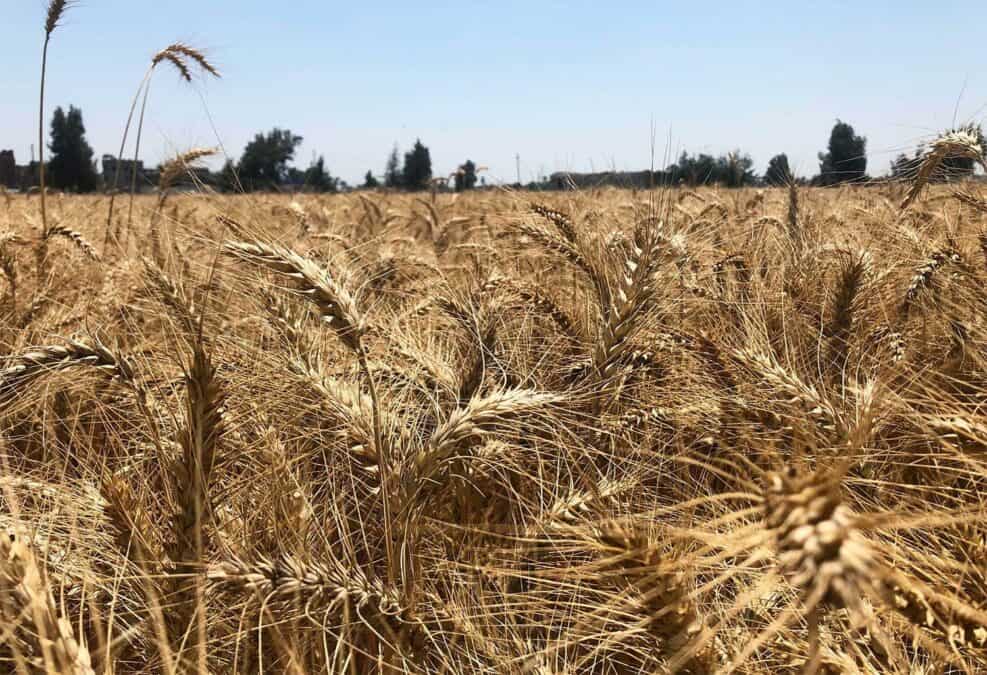
 Dubai, UAE -- Global cereal production is expected to decline by 2% in the 2026/27 season to 2.982 billion tons,...
Record 2025/26 harvests helped build global cereal inventories despite forecasts of tighter supplies in the coming season.
Lower wheat and barley trade volumes are expected to offset stronger maize and rice shipments worldwide.
 Dubai, UAE -- Annual inflation across the Organisation for Economic Co-operation and Development (OECD) accelerated to 4.4% in April from...
Energy inflation reached 13.2% across the OECD, with 31 member countries reporting higher energy costs during April.
U.S. inflation rose to its highest level since May 2023, while Britain's core inflation fell to four-year lows.
- A report published by the World Economic Forum (WEF) and consulting firm Oliver Wyman found that fragmentation accelerated through 2025...
Annual economic losses from fragmentation already total up to $307 billion as tariffs and investment restrictions proliferate globally.
Emerging economies outside major geopolitical blocs could suffer output losses nearly twice the global average under escalation scenarios.
 Dubai, UAE -- OpenAI's ChatGPT surpassed 1 billion monthly active users in May, becoming the fastest application to reach the...
Sensor Tower estimates ChatGPT reached one billion monthly users roughly three years after launching in late 2022.
Growing enterprise adoption and multimodal capabilities have helped fuel demand amid intensifying competition across artificial intelligence markets.
 Non-oil activities drove growth as construction, finance, real estate and transport sectors posted robust gains, underscoring diversification efforts and long-term...
Trade remained the largest non-oil contributor, accounting for 16.9 percent of GDP, ahead of finance sectors.
Officials highlighted investments in technology, innovation and digital economy initiatives as drivers of future readiness.
- About $650 billion in trade flows are affected, with global maritime routes facing growing disruption and uncertainty risks.
GCC countries are redirecting cargo flows through alternative gateways, increasing transit costs and causing longer delivery times
Saudi Arabia could leverage Red Sea access and East African investments to reduce dependence on vulnerable maritime choke points
 76% of younger investors and 75% of older investors have acted on a recommendation by an AI engine
Younger investors favour future-facing sectors and mature investors are more likely to support industries that are well established in the UAE
Both groups share the same top three investing goals: to achieve financial independence, to supplement income, and to provide long-term security
 Eight technology domains, including AI, robotics, engineering biology and advanced materials are no longer advancing in isolation.
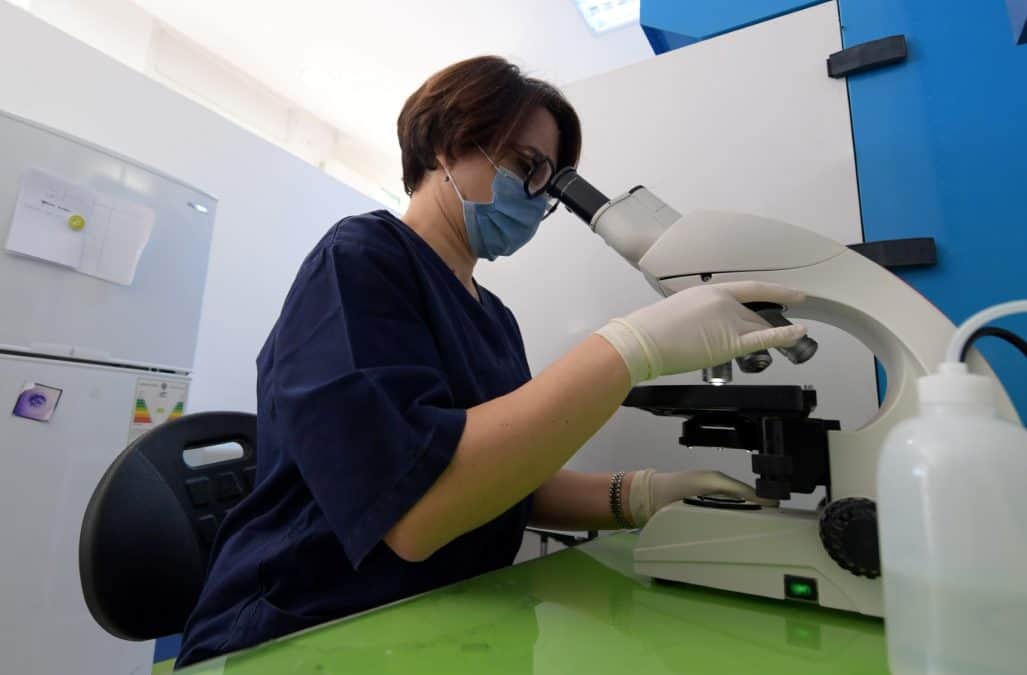
The United States alone could face a shortfall of between 10,100 and 19,900 surgeons by 2036.
Organizations are urged to assess where bottlenecks sit in their value chains, determine which technology combinations could shift those constraints.