


Fitch Ratings on Friday downgraded Turkey’s debt from BB- to B+ with a negative outlook, citing high inflation and a lack of confidence in policymakers to turn the tide.
The downgrade comes after data released earlier in the month showed inflation hitting a two-decade record of nearly 50 percent in January, though some economists estimate it is much higher than that.
“Policy-driven financial stress episodes of higher frequency and intensity have increased Turkey’s vulnerabilities in terms of high inflation, low external liquidity and weak policy credibility,” Fitch said in announcing its decision.
The agency added that it “does not expect the authorities’ policy response” to “sustainably ease macroeconomic and financial stability risks.”
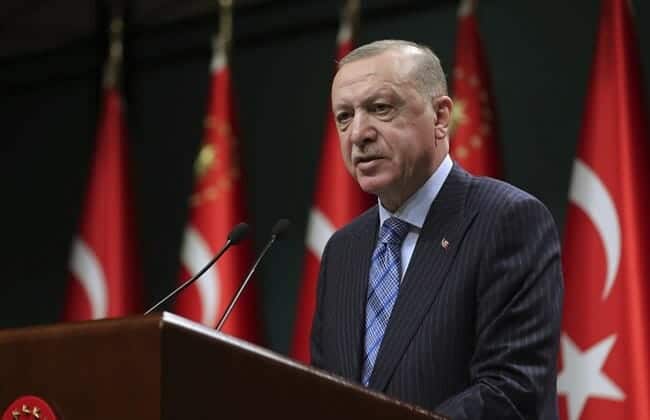
Although inflation is rising across the world, thanks in part to easy money policies adopted to cushion the blow of the Covid-19 pandemic, Turkey’s problems are dramatically more acute because of President Recep Tayyip Erdogan’s unorthodox economic approach.
Erdogan rejects the idea that inflation should be fought by hiking the main interest rate, which he believes causes prices to grow even higher — the exact opposition of conventional economic thinking.
The price spike complicates the president’s path to re-election in 2023, and Fitch warned there was a “high” risk of “additional destabilizing monetary policy easing or stimulus policies” ahead of the polls.
“There is an elevated degree of uncertainty about the authorities’ policy reaction function in the event of another episode of financial stress, as political considerations limit the central bank’s ability to raise its policy rate,” Fitch added.
The government hopes inflation will fall after pressures — including a minimum wage hike in January and rising energy bills — subside and new currency support measures kick in.
The central bank paused a four-month streak of interest rate cuts in January, providing relief for the lira, which has held largely steady this year.
Fitch’s decision comes after S&P Global Ratings in December downgraded its outlook for Turkey’s debt to negative from stable.