
Brussels, Belgium – Eurozone inflation in May fell to 6.1 percent, coming down from a surprise rise recorded in April as energy prices dropped, official data showed Thursday.
While showing a slower pace than the 7.0 percent recorded a month earlier, the reading remains well above the European Central Bank’s target of 2.0 percent, according to the EU’s Eurostat agency.
Inflation in Germany, the European Union’s economic powerhouse, now in recession, dropped to 6.3 percent in May, down from 7.6 percent in April.
France, the second-biggest economy, saw inflation dip to 6.0 percent in May, down from 6.9 percent the previous month.
Food and alcohol were the main components driving inflation, rising 12.5 percent in May, although lower than the 13.5 percent pace in April.
Energy inflation dipped into negative territory, falling by 1.7 percent, compared with an increase of 2.4 percent in April. That reflected a glut on the natural gas market as a Europe less dependent on Russian fossil fuels heads into summer.
In April, the eurozone saw a surprise hike in inflation to 7.0 percent after five months of declines, again mainly driven by food and alcohol prices which are putting a squeeze on households.
Back in October last year, the eurozone was struggling with with inflation of 10.6 percent as it confronted effects from Russia’s war in Ukraine and supply bottlenecks related to the post-Covid recovery.
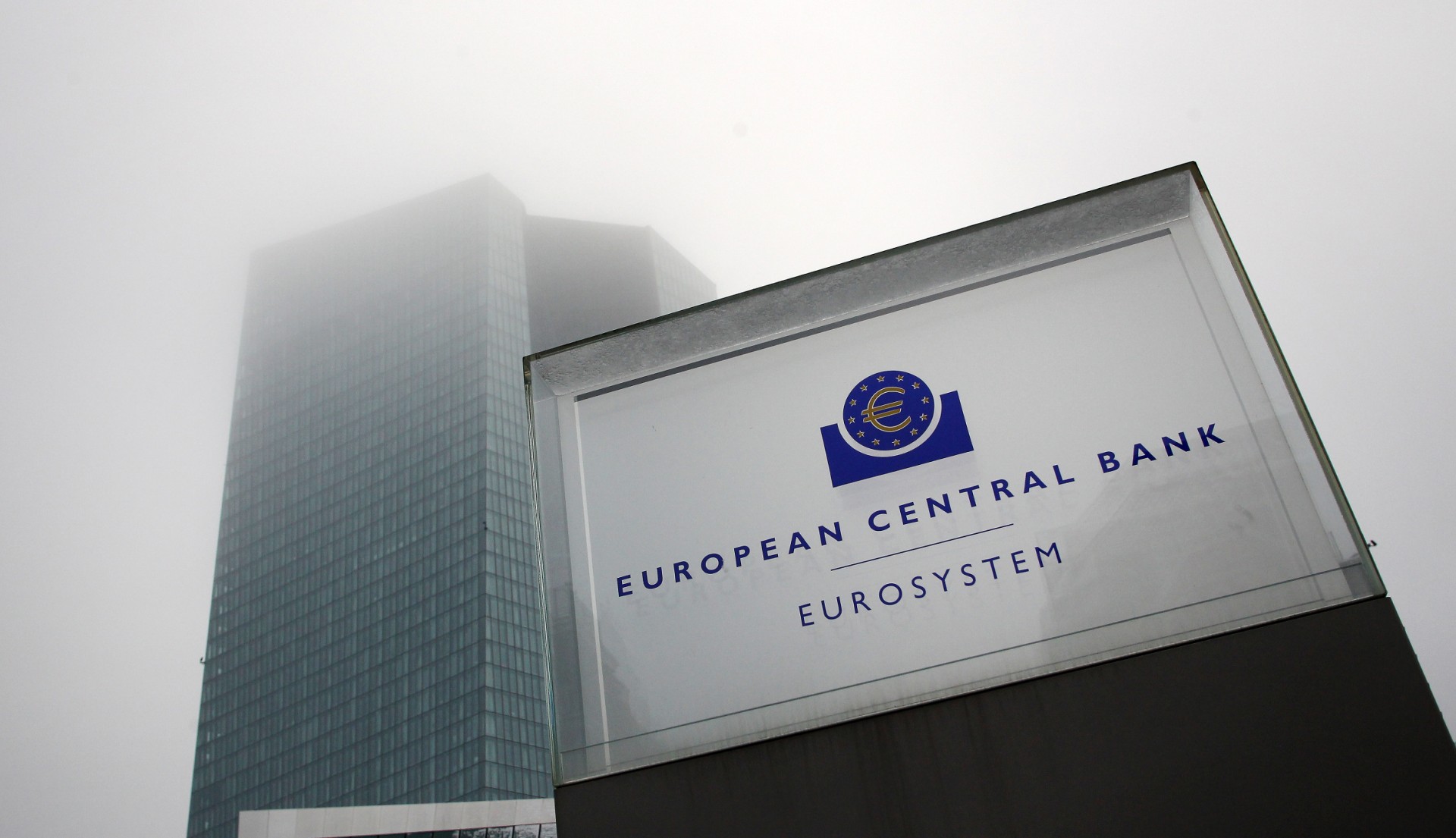
European Central Bank vice president Luis de Guindos on Wednesday previewed the slowing eurozone inflation rate, calling it “positive” but cautioning that “I would not say that the victory is there”.
The ECB has hiked interest rates by an unprecedented 3.75 percentage points since last July in an attempt to rein in rapidly rising consumer prices.
Much of the high inflation experienced by the 20 EU countries using the euro came from a jump in energy prices, which now appears to be abating.
Despite that, analysts expect the ECB to announce a further rate hike this month.
The ECB rate increases have flowed through into mortgages, making house loans more expensive and harder to secure for would-be buyers in Europe, weakening some real estate markets.
De Guindos acknowledged that the bank’s tighter monetary policy “can reveal vulnerabilities in the financial system”.
The ECB said demand for mortgage declined sharply in the first quarter of 2023, leading to a “correction” that risked becoming “disorderly” if recession fears flared.