
Dubai, UAE – The Middle East and North Africa (MENA) region is rapidly becoming one of the world’s most dynamic retail e-trading markets, according to a new white paper released by global trading platform Capital.com in partnership with advisory firm APCO.
The study, Trading’s New Horizon: How Access, Innovation and Ambition Are Fuelling MENA’s E-Trading Boom, draws on two years of data from 62,850 verified traders across the region. It shows that MENA generated US$804.1 billion in trading volume on Capital.com in the first half of 2025, with the UAE alone contributing US$576.5 billion.
Capital.com said MENA is now its fastest-growing market, accounting for more than half of its global trading volumes. In the 18 months since securing its licence from the Emirates Securities and Commodities Authority in April 2024, the region has become central to the company’s global growth.
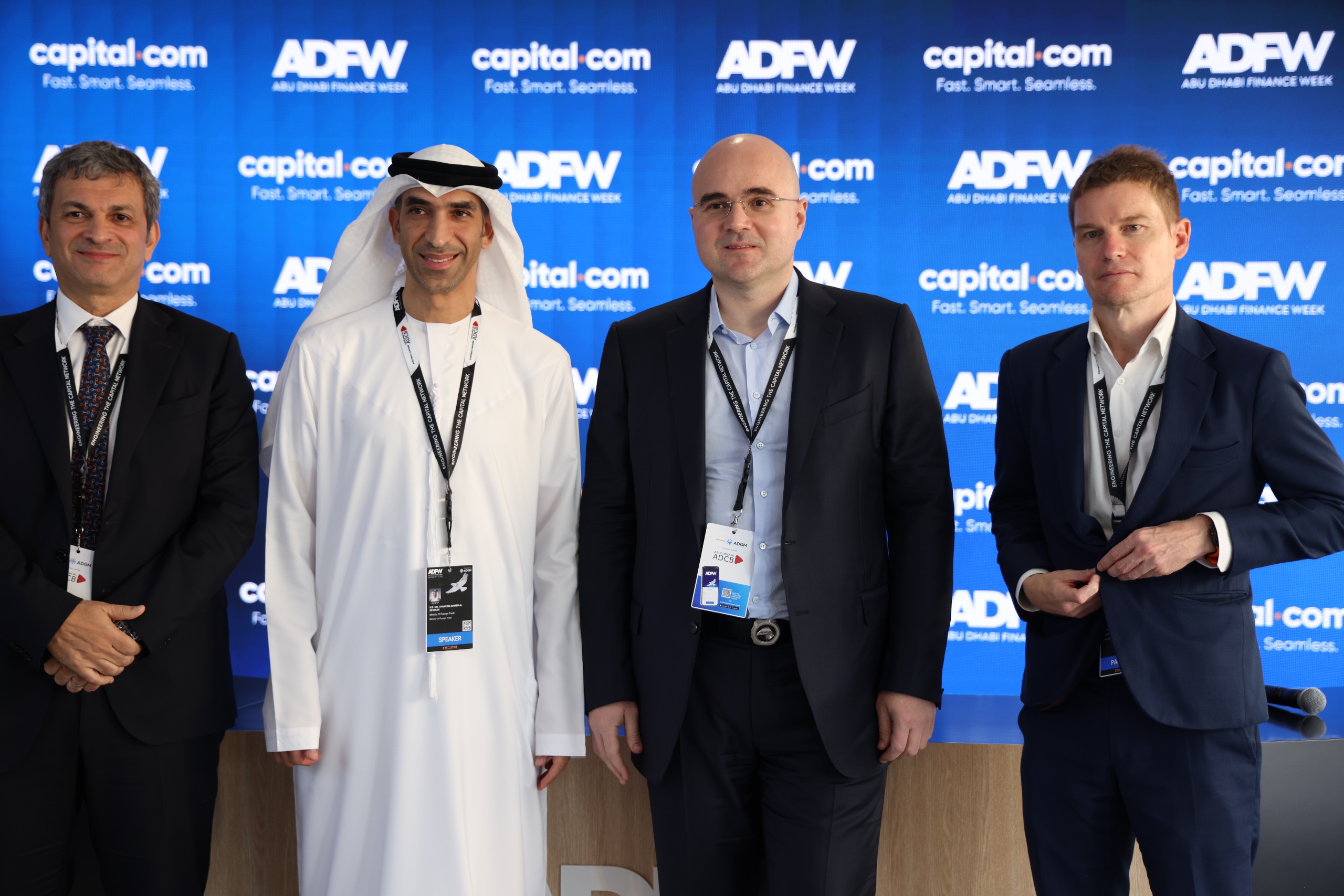
Highlighting the UAE’s digital economy drive, UAE Minister of Foreign TradeDr. Thani bin Ahmed Al Zeyoudi said: “The UAE’s strong performance highlighted in this white paper reflects the country’s commitment to building a competitive, future-ready digital economy. By combining world-class infrastructure, forward-looking regulation and a growing culture of financial capability, we are enabling more people to engage confidently and responsibly in the opportunities of the modern global economy.”
Capital.com Founder Viktor Prokopenya said the region is undergoing a major shift in financial participation. “The Middle East is entering a defining moment in its financial evolution,” he said. “Across the region, and particularly in the UAE, digital finance is unlocking unprecedented access to global markets, transforming how people trade, invest, and build wealth. This white paper captures that transformation in motion.”
The report notes that MENA traders are young, digitally savvy and highly educated. Nearly 86% are aged 18–44, and 64% hold a university degree—far higher than Europe’s 39%. The region also has a significantly higher proportion of high-value clients, with a ten-fold increase in those depositing over US$1 million compared to Europe.
Mamoon Sbeih, President of APCO MENA, said the trend reflects broader improvements in financial access. “The rise of e-trading in the Middle East illustrates how transparent regulation, progressive market access, and growing financial literacy are enabling individuals from varied backgrounds and levels of trading experience to participate in financial markets,” he said.
Trading behaviour also differs from Europe. MENA users close 71% of their trades within the same day, compared to 41% in Europe, and show a preference for gold, oil, natural gas, major indices and crypto. Despite recording a higher percentage of profitable trades, fewer MENA traders achieve net positive returns due to limited use of risk-management tools.
Tarik Chebib, CEO of Capital.com MENA, said the region’s ambition needs to be matched with discipline. “People here are always looking for opportunities to learn a new skill and, increasingly, financial markets are where they find it,” he said. “Part of what makes MENA and the UAE unique is the combination of capacity and ambition. But boldness, when unchecked, can easily tip into overconfidence. Risk management is one of the biggest gaps we see across the region and education plays a huge role in changing that behaviour.”
The white paper calls for greater financial literacy and the wider use of AI-powered learning tools to foster more sustainable trading habits.
A Capital.com MENA client echoed the importance of discipline, saying: “Trading has been both challenging and rewarding. I’ve learned that discipline, risk management and flexibility are far more important than chasing big wins. My experience has shaped me into a more structured and strategic trader.”