
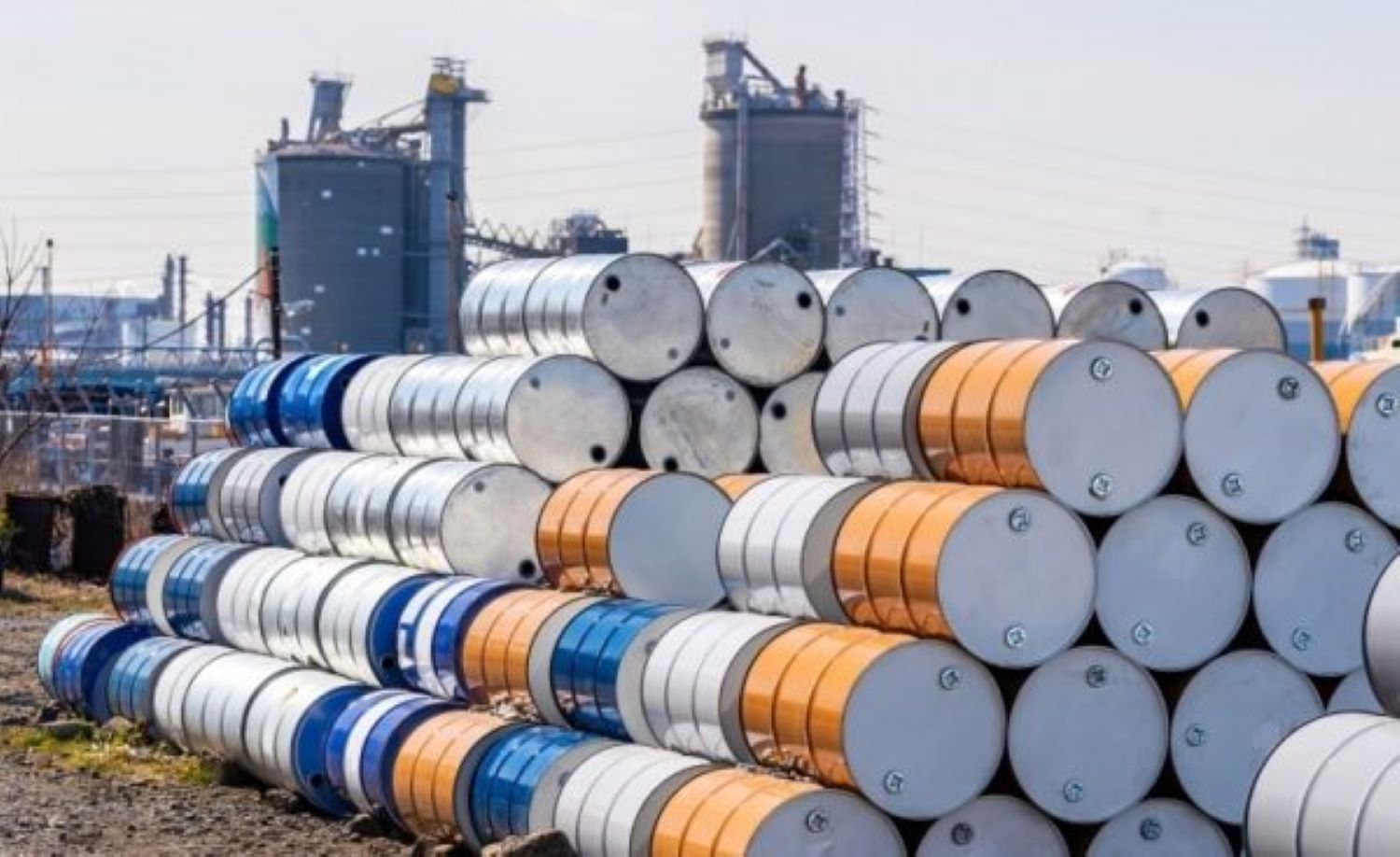


ABU DHABI, UAE – Oil prices could rise to $100 per barrel and gold prices could reach $3,000 per ounce within the next 12 to 18 months, subject to three potential catalysts, CNBC reported, citing Citi analysts.
Aakash Doshi, Citi’s North America head of commodities research, told CNBC that gold is currently trading at $2,016 and could surge by about 50 percent if central banks dramatically increase purchases.
“The most likely wildcard path to $3,000/oz gold is a rapid acceleration of an existing but slow-moving trend: de-dollarization across Emerging Markets central banks that in turn leads to a crisis of confidence in the US dollar,” Citi analysts wrote in a recent note.
Another factor that could drive gold prices to this level is the global economy’s deep recession, which could prompt the US Federal Reserve to cut rates rapidly. But Doshi believes this scenario is unlikely.
The note highlighted the factors spurring the rise in oil prices to $100 per barrel, which include the escalation of geopolitical risks, such as the risk of Ukraine attacking Russian refineries with drones, and the cessation of supplies from the main areas of black gold production, as well as OPEC+ deepening production cuts.