
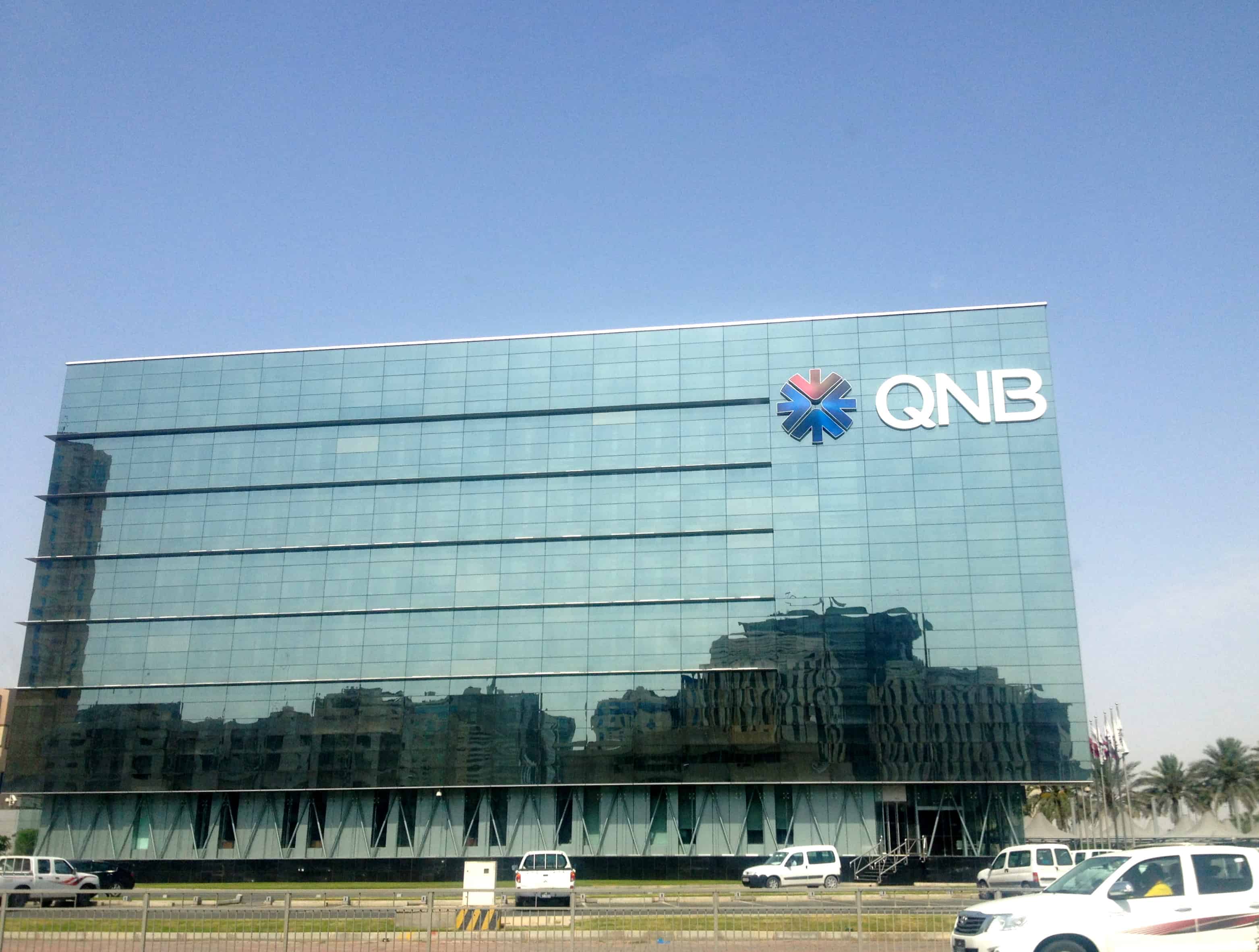


The Qatar National Bank (QNB) has been quoted by official sources as saying that the global economy has made a remarkable recovery from the peak impact of the Covid-19 pandemic last year.
The sources said the bank made this statement despite the emergence of the new Omicron variant of concern
The bank explained in its weekly commentary, “The main driver has been unprecedented fiscal and monetary stimulus, particularly in the United States, which unleashed a tsunami of consumer demand.”
It added: “Unfortunately, neither ‘Factory Asia’ nor global supply chains have been able to cope with such strong demand. The result has been severe bottlenecks in supply chains, which are pushing up the costs of goods and delaying their delivery.”
The bank said about the bottlenecks: “They are acting as a headwind to the economic recovery resulting in unmet demand that may never be satisfied. They are also driving high global inflation, presenting central banks with challenges in policy decisions.”
It added: “Despite bottlenecks being persistent, we have confidence that global supply chains are already recovering.”
It put forward three key observations to support its view: Unsustainably strong demand was beginning to ease; “Factory Asia” was recovering from being hit by the Delta variant in Q3; and global shipping times and costs were already beginning to fall.
The bank concluded that it was confident that the situation would continue to improve over the coming year.
“We expect this to reduce the pressure currently being felt by global central banks, enabling them to keep interest rates lower for longer,” it said.
“Further, the boost to supply, combined with more monetary policy space to maintain demand stimulus for longer, is expected to support the global economic outlook next year at a time when fiscal policy and base effects are fading.”