
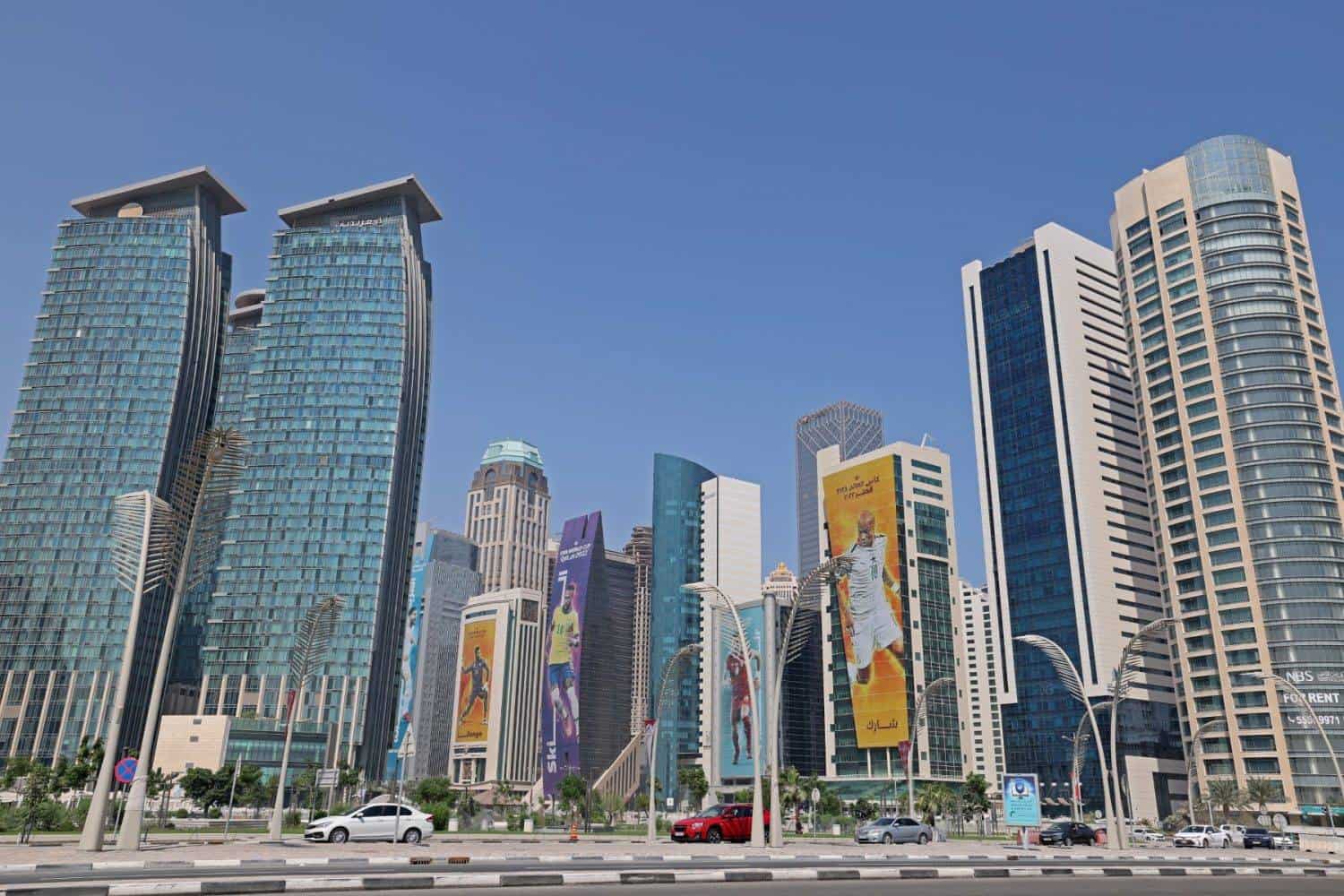


Doha, Qatar – The residential property market in Qatar is grappling with a dual challenge of decreased demand and increased supply, a result of the construction boom surrounding the FIFA World Cup 2022, says Knight Frank, a global real estate consultancy, in its latest report.
Faisal Durrani, Partner and Head of Research for the Middle East and North Africa for the consultancy, explained that this supply-demand imbalance, along with rising interest rates and affordability concerns, has led to a shrinking mortgage market and a decrease in home sales.
“The total number of residential sales transactions has fallen by 36% over the last 12-months,” Durrani said. “Simultaneously, the total value of residential transactions has declined by 24%.”
Doha and Al Rayyan municipalities were the most active in residential transactions during the second quarter. Rents have decreased in many districts, with Lusail’s Waterfront and Fox Hills districts experiencing the highest quarterly depreciation in average quoted rents for apartments, at 23% and 18% respectively.
Office Market
The office market in Qatar is grappling with a challenge of its own, with a widespread drop in average rental rates attributed to an oversupply of office space. Despite strong demand from sectors such as the public sector and oil and gas industries, the excessive office space supply has driven down rental rates, providing tenants with an upper hand. The public sector, particularly in Lusail, has been the key driver of office space activity. A notable example is Qatari Diar’s lease of 6,200 sqm at The Qatar Financial Centre Authority’s Lusail Boulevard. Authorities’ efforts to relocate public sector entities to Lusail are expected to further drive leasing activity in the area.
Hospitality Sector
Following the successful hosting of the 2022 FIFA World Cup, Qatar’s tourism sector is witnessing strong growth. Data from STR shows a remarkable 206 percent increase in visitor numbers during the first five months of 2023 compared to the same period last year, with 1.77 million visitors arriving in Qatar.
Knight Frank’s report highlights the multifaceted challenges facing Qatar’s real estate market, ranging from shifts in residential demand and supply to oversupply concerns in the office sector. The positive momentum in the tourism sector, driven by the World Cup, offers a glimmer of hope for the broader economy, according to Knight Frank.