
Washington, United States — The US deadline of August 1 for imposing tariffs on its trading partners is firm and there will be no extensions, Commerce Secretary Howard Lutnick said Sunday.
“So no extensions, no more grace periods. August 1, the tariffs are set. They’ll go into place. Customs will start collecting the money, and off we go,” Lutnick told “Fox News Sunday.”
After the levies kick in, President Donald Trump — who was negotiating Sunday in Scotland with European Union officials — is still willing to keep talking, Lutnick said.
Of the Europeans, Lutnick said, “You know they’re hoping they make a deal, and it’s up to President Trump, who’s the leader of this negotiating table. We set the table.”
So far five countries have struck deals with the Trump administration ahead of the Friday deadline as it tries to overhaul the global system of largely free trade by slapping tariffs on countries that the United States deems as engaging in unfair practices.
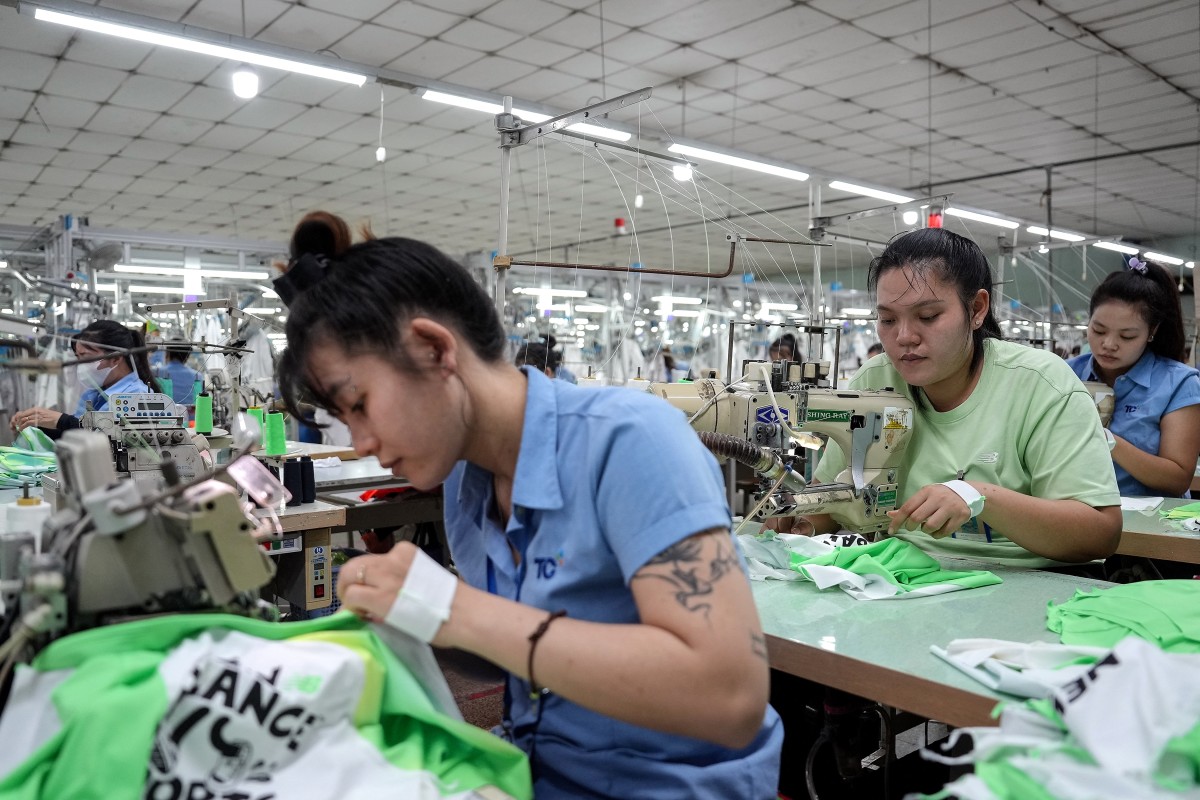
These five are Britain, Vietnam, Indonesia the Philippines, and Japan.
The levies they accepted are often higher than the new base rate of 10 percent that the United States has applied to most countries since April.
But they are far below the levels the Trump administration threatened to impose if no deal were reached.