
-
Hospitals are now less prepared to combat a Covid-19 surge than they were during the wave at the start of the year
-
Medical and nursing staff have left, and medicine that was once available has run out
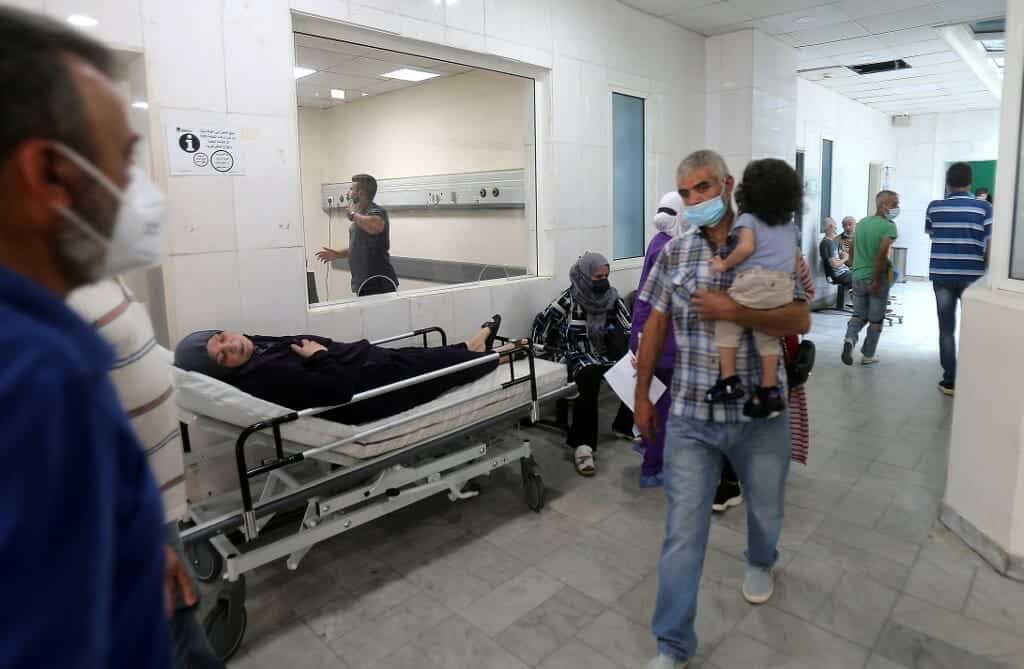
A top hospital manager in Lebanon was quoted by local reports on Saturday, July 24, as saying that the country’s medical facilities are not prepared for the next wave of Covid-19 cases.
Firass Abiad, who works as a surgeon and educator at the American University of Beirut, and manager and CEO at the Rafik Hariri University Hospital, has sounded alarm bells on the country’s infrastructure to handle rising Covid-19 cases.
The local reports quoted him as saying: “All hospitals… are now less prepared than they were during the wave at the start of the year.”
He added: “Medical and nursing staff have left, medicine that was once available has run out.”
Just two days ago, Abiad had taken to Twitter to detail how nurses in Lebanon were being offered lucrative jobs in Europe, and it would be hard to fill their positions if they left.
Here is the full thread:
1/3 Recently, large numbers of nurses have reported they are being targeted by recruitment agencies for job openings in Europe, with very generous benefits. As the saying goes, “some people’s disasters are other’s benefits”. Sadly, nurses who leave will be difficult to replace. pic.twitter.com/QDMXhxSKbU
— Firass Abiad (@firassabiad) July 22, 2021
This, coupled with hospitals warning that they are running out of fuel to operate life-saving equipment could only make matters worse.
“We only get two to three hours of mains electricity, and for the rest of the time it’s up to the generators,” Abiad said.
As if that was not enough, he explained: “We have the huge burden of having to constantly be on the hunt for fuel oil.”
Then there is the medicine shortage. “Some days it’s antibiotics, others it’s anesthetics,” Abiad said.
“It could be catastrophic if this rise in coronavirus numbers leads to a spike like the one we saw at the start of the year,” he said.
Lebanon is currently in an economic crisis that has seen the Lebanese pound devalued to just a 10th of itself in the international market since late 2019.
That, along with depleted foreign exchange has led to shortages in fuel, medicine, and even food.
Inflation is so high right now that families are estimated to be spending five times the minimum wage on food alone every month.
Piling on is the Unicef estimate that the country’s water supply system could collapse in four to six weeks.