

-
Output to be raised by 400,000 bpd each month from August
-
The move likely to help fuel a global economic recovery as the pandemic eases
The world’s leading oil producers agreed on Sunday to continue to modestly boost output from August.
An OPEC+ meeting agreed to raise output by 400,000 barrels per day (bpd) each month from August to help fuel a global economic recovery as the pandemic eases, the Vienna-based group said in a press statement.
The grouping will “assess market developments” in December, it said. The deal also extends a deadline on capping output from April 2022 to the end of 2022.
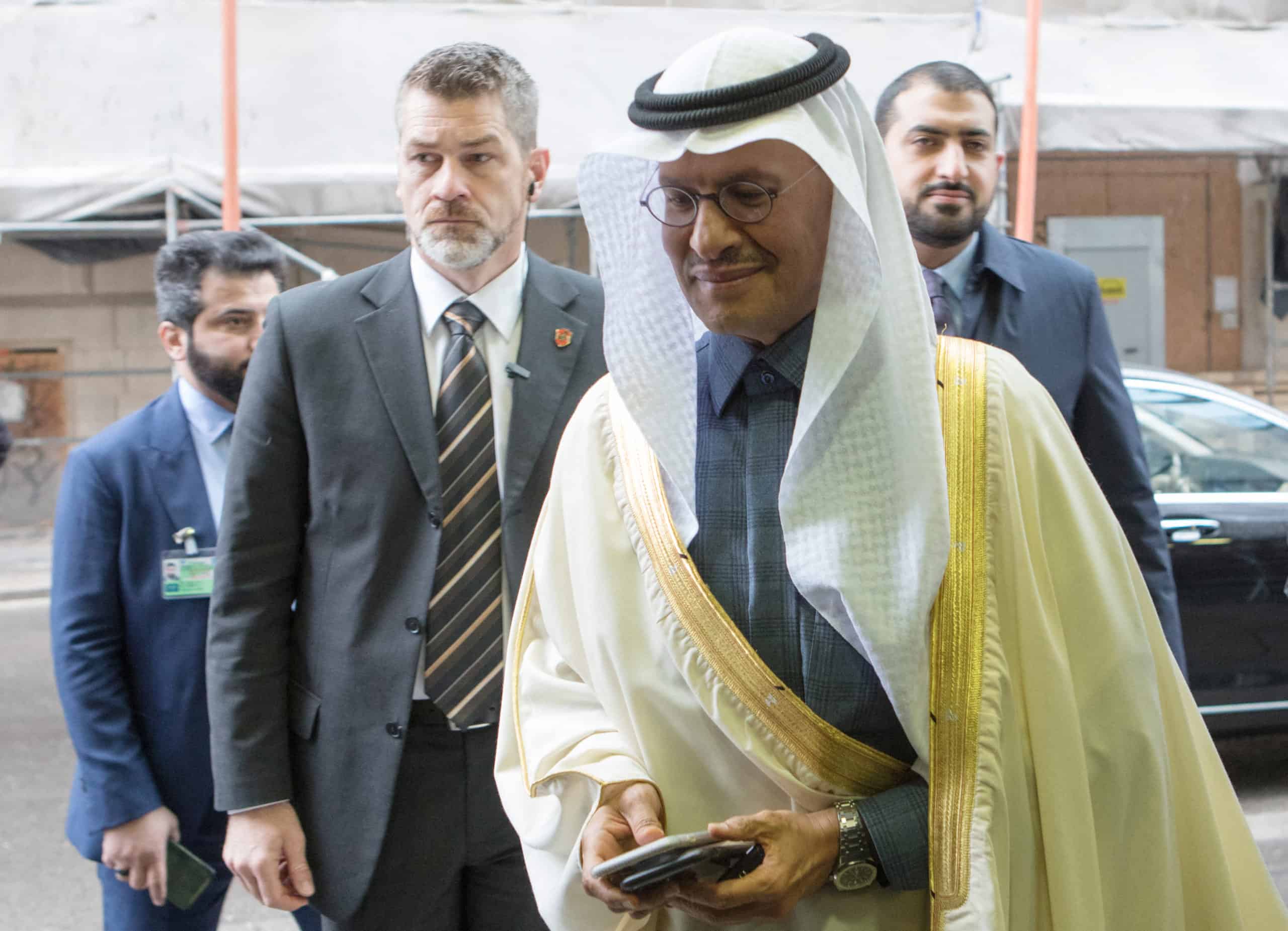
The 19th OPEC and non-OPEC Ministerial Meeting has commenced via videoconference under the Chairmanship of HRH Prince Abdul Aziz Bin Salman, Saudi Arabia’s Minister of Energy and Co-Chair HE Alexander Novak, Russian Deputy Prime Minister, together with … pic.twitter.com/RyjMQIpMj8
— OPEC (@OPECSecretariat) July 18, 2021
Earlier in July, negotiations of OPEC+ members on easing production cuts became deadlocked due to a row between the world’s largest oil exporter Saudi Arabia and neighboring United Arab Emirates.
Since May, the 23-member grouping, which also includes Russia, had raised oil output bit by bit, after slashing it more than a year ago when the coronavirus pandemic crushed demand.
The aim was to return to pre-pandemic production levels, with the alliance still pumping 5.8 million bpd less than it was before the pandemic.
In a rare challenge to OPEC leader Saudi Arabia, the UAE rejected the proposed deal earlier this month as “unjust,” leading to a stalemate.
But in a compromise, Sunday’s discussions agreed to adjust output quotas next May for the UAE, Iraq, Kuwait, Russia and Saudi Arabia itself, meaning their actual cuts will be less.
Saudi Energy Minister Abdulaziz bin Salman, who chairs the OPEC group, declined to say how the quotas were set and beneficiaries chosen, saying it had been part of “consensus building”.
Observers had expected a deal. “A flurry of talks were held on Saturday to try and close the gap,” tweeted Herman Wang, an editor of S&P Global Platts, which specialises in coverage of the energy industry.
Oil prices — which had already been sliding owing to concerns about the global economy — plummeted in April 2020 as coronavirus spread around the world and battered global consumption, transport and supply chains.
OPEC+ last year decided to withdraw 9.7 million bpd from the market and to gradually restore supplies by the end of April 2022. Benchmark oil prices rebounded as a result.
Ministers from OPEC+ countries have gathered frequently since the spread of the new coronavirus to assess the market with the next meeting scheduled for September 1, according to Sunday’s statement.
(With AFP inputs)