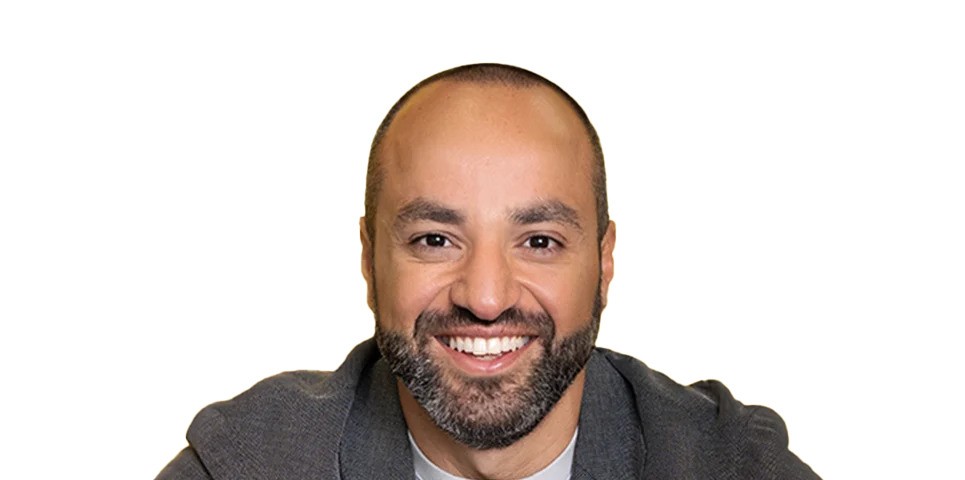

As the Gulf sharpens its ambition to emerge as a global startup hub, questions around scale, authenticity, and cultural relevance are becoming central to how new companies are built. In a discussion with TRENDS, Hussein Freijeh, Vice President for APAC and MENA at Snap Inc., reflects on Snap’s rapid growth across two of its most dynamic regions.
You’ve recently expanded your remit to lead both MENA and APAC. How do you envision Snap’s growth across these two diverse regions over the next 2/3 years?
MENA and APAC are amongst Snap’s highest-growth regions globally, both in terms of community and revenue. While they differ in scale and culture, both are moving toward mobile-first, visual, and highly personal ways to communicate. Over the next two to three years, our growth across these regions will be driven by deepening community engagement while accelerating revenue as advertiser demand continues to mature and diversify.
APAC has been instrumental in shaping how Snap scales innovation at pace, particularly around mobile creativity, digital advertising sophistication, and performance-led solutions. It’s a region where advertisers are highly advanced, partners move quickly, and we continue to push the boundaries of mobile storytelling and commerce at scale.
MENA complements this with some of our most engaged communities globally, a distinct and influential creator ecosystem, and significant untapped potential, especially across the GCC. Snapchat plays a central role in everyday communication and discovery in the region, and as brands increasingly look to build trust, relevance, and long-term growth, we see a massive opportunity to grow alongside the communities and partners who already rely on the platform.
Platforms like Snap can be powerful tools for startups. Can you share a story where a founder or team leveraged Snap in an unexpected or creative way?
One example that stands out is Ninja, a three-year-old startup in Saudi Arabia that has grown into one of the region’s largest online grocery platforms and was recently valued at over $1 billion. From early on, Ninja recognized the value and buying power of the Snapchat community, and made a deliberate decision to invest heavily in the platform as a core driver of growth, not just a supplementary channel.
They focused first on mastering Snapchat’s advertising and measurement tools, building a disciplined approach to testing, performance optimization, and creative iteration. Through continuous A/B experimentation and rapid learning cycles, they were able to understand what resonated with Snapchatters and scale what worked.
Once that foundation was in place, Ninja leaned into creator-led storytelling, partnering closely with creators to produce authentic, native content that mirrored how people already communicate on Snapchat. That combination of platform mastery, data-driven execution, and creator creativity has made Snapchat one of Ninja’s top two growth platforms in the region and a meaningful contributor to their ongoing success.
Qatar and the broader GCC have expressed ambitions to become a “startup hub.” How does Snap plan to contribute to this ecosystem, both in terms of technology adoption and local innovation?
Snap’s contribution to the GCC startup ecosystem starts with a deliberate investment in local presence. We were the first platform to open an office in Qatar, and we continue to build strong, on-the-ground teams across Saudi Arabia and the UAE. Being local allows us to stay close to culture, communities, and creators, and to build direct relationships with founders in a way that simply isn’t possible from afar.
From there, our focus has been on making it easier for new businesses to start and scale on Snapchat, by leaning into the platform’s core strengths in the region, highly engaged communities, mobile-first storytelling, and trusted, personal communication. Snapchat gives startups a way to connect with local audiences quickly and authentically, often before they have the scale or budgets to compete on more traditional channels.
Finally, we work closely and hands-on with founders and teams to ensure they get the support they need to grow. That includes access to creators and storyteller partnerships, guidance on measurement and performance, and ongoing enablement and training. By combining local investment, platform strength, and practical support, we aim to play a meaningful role in helping the GCC build a sustainable, globally competitive startup ecosystem.
When you look at the startups you’ve met across MENA and APAC, what’s one innovation or idea that really stuck with you, and why?
One story that has stayed with me is Souq. I was fortunate to witness its journey firsthand, watching Ronaldo and the team build the business from the early days when we were both part of the Maktoob Group. It remains one of the most inspiring startup stories I’ve seen in the region.
Beyond the scale Souq ultimately achieved, what stood out most was the clarity of conviction. Even after the acquisition by Amazon, the team remained deeply focused on building a product that reflected the realities and nuances of the region, from logistics and payments to how people browse, shop, and build trust online. They demonstrated that global ambition and local relevance don’t need to be in tension; in fact, their success came from balancing both deliberately.
That same balance between local insight and global standards is something I continue to see in the strongest founders across MENA and APAC today, and it’s a common thread behind many of the most compelling innovations emerging from these regions.
If you were mentoring a young founder in Dubai, Doha, or Riyadh today, what personal advice or encouragement would you give them to help their startup flourish?
Stay relentlessly close to the people you’re building for and treat the nuances of this region as an advantage, not a constraint.
Building something meaningful takes time. If you invest early in understanding your community, surrounding yourself with diverse perspectives, and learning continuously, scale will follow naturally.