


Beirut, Lebanon– When a massive explosion killed more than 215 people at Beirut’s port in 2020, Lebanese officials promised a swift investigation that would bring culprits to justice within days.
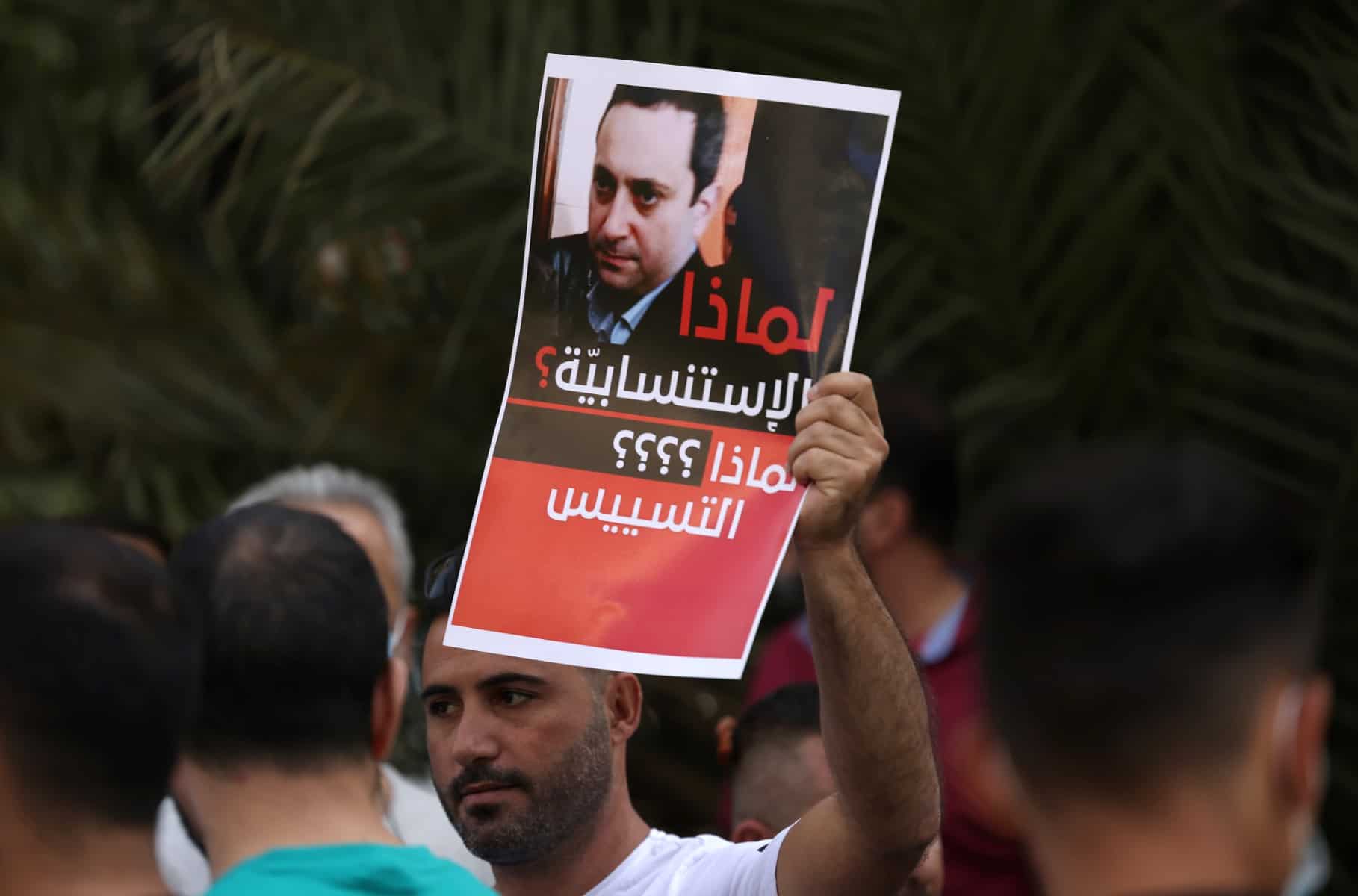
But more than two years later, the probe has been repeatedly stalled, with lead investigator Tarek Bitar accused this week of insubordination for resuming the probe and charging top officials.
What obstacles does the probe face?
The deadly August 4, 2020 blast was one of history’s biggest non-nuclear explosions, destroying much of Beirut’s port and surrounding areas and injuring thousands.
Authorities said that tons of ammonium nitrate fertilizer haphazardly stocked in a port warehouse since 2014 had caught fire, causing the explosion.
With Lebanon’s long history of political assassinations and impunity and despite the scale of the destruction, the investigation has been repeatedly stalled.
Since its early days, the probe has faced a slew of political and legal challenges, with high-level officials who had been charged in the case filing lawsuits against the judge investigating them.
In December 2020, lead investigator Fadi Sawan had charged former prime minister Hassan Diab – who had resigned in the explosion’s aftermath – and three ex-ministers with negligence.
But Sawan was later removed from the case after mounting political pressure, and the probe was suspended.
His successor, Tarek Bitar, also summoned Diab for questioning and asked parliament, without success, to lift the immunity of lawmakers who had served as ministers.
The interior ministry has also refused to execute arrest warrants issued by Bitar, further undermining his quest for accountability.
The powerful Iran-backed group Hezbollah has also launched a campaign against Bitar, accusing him of bias and demanding his dismissal.
Pressure from Hezbollah and its allies paralyzed government as ministers boycotted cabinet meeting, and spilt into the street, with a demonstration against Bitar in October 2021 ending in deadly violence.
In December 2021, Bitar was forced to suspend his probe after a barrage of lawsuits, mainly from politicians he had summoned on charges of negligence.
Why did Bitar resume work?
Embattled judge Bitar on Monday took Lebanon by surprise and resumed his investigation after a 13-month hiatus, charging eight new suspects including high-level security officials and Lebanon’s top prosecutor Ghassan Oueidat.
Bitar said he based his decision on a legal review, with a source close to him telling AFP the judge “is convinced it’s crucial to hold officials accountable and finish his mission”.
But others in Lebanon point to foreign interference in the case.
A top security official said that the Lebanese judiciary had come under US pressure to free detainees in the case, including dual Lebanese-US citizen Ziad al-Ouf.
The official, speaking on condition of anonymity because he was not allowed to speak to the press, said an American lobby group was pushing for sanctions against Bitar, Oueidat and another top judge, should they fail to comply.
The week before reopening the case, Bitar had met with two French judges for hours about his investigation, a judicial source told AFP at the time.
The delegation suggested Bitar should resume work, arguing that holding suspects in detention without trial is a human rights violation, the security official told AFP.
Now what?
Bitar’s surprise move sparked a judicial battle with Prosector General Oueidat, putting Lebanon’s notoriously politicized justice system to yet another test.
Oueidat retaliated by charging the judge with “usurping power” and insubordination, and slapped Bitar with a travel ban.
The prosecutor also released all detainees in the case and banned them from travel — including Ouf, who has left for the United States anyway.
But a defiant Bitar told AFP he would not step down, adding that Oueidat “has no authority” to intervene in the case.
Former justice minister Ibrahim Najjar described the situation as “very serious and unprecedented”.
If a third judge is appointed to replace Bitar, “the investigation might have to start again from scratch,” Najjar told AFP.