
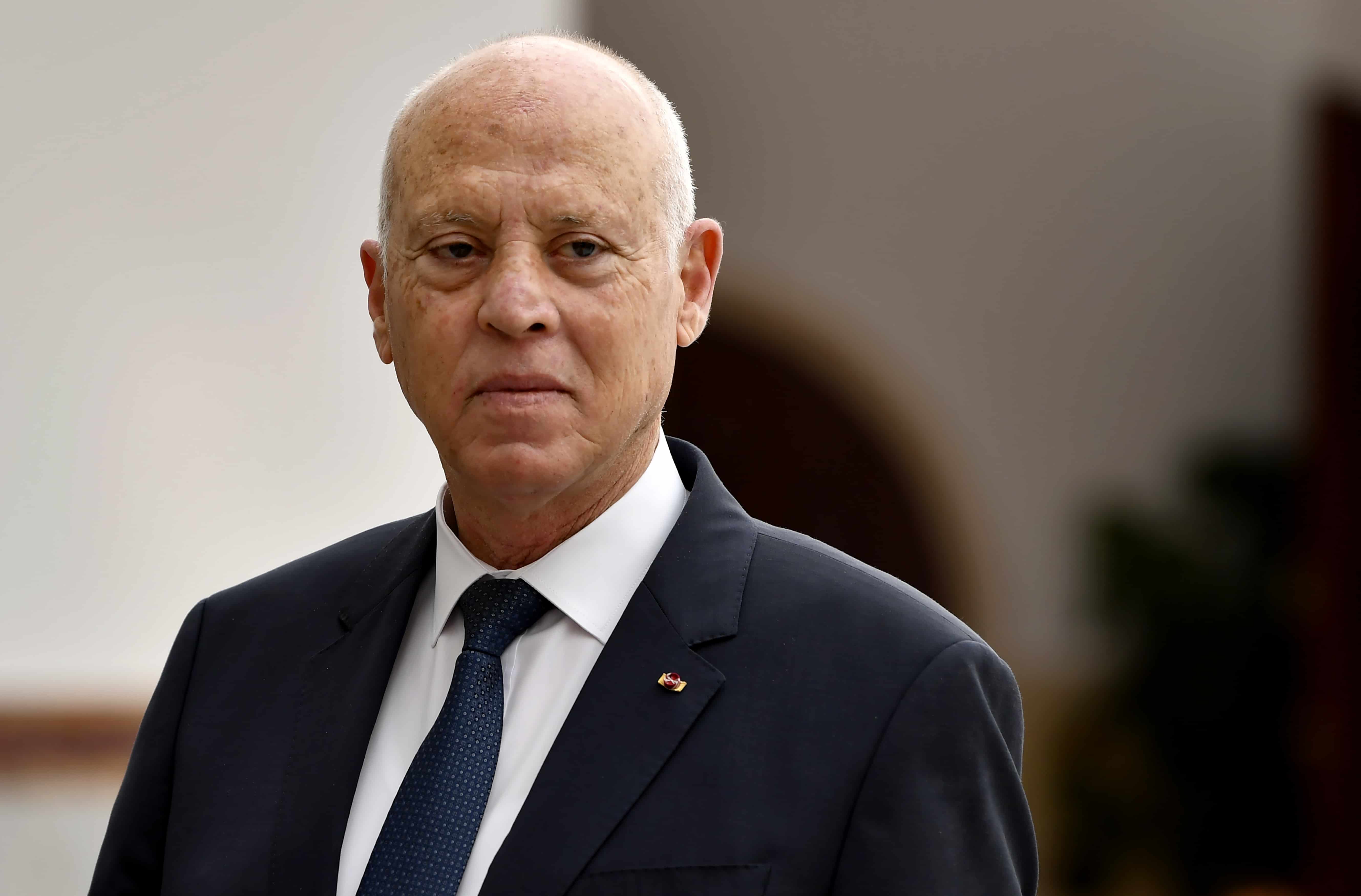


Tunisia has summoned Turkey’s ambassador in protest against “interference”, the foreign ministry said Wednesday, after President Recep Tayyip Erdogan criticized his counterpart in Tunis for dissolving the country’s parliament.
President Kais Saied sacked the assembly last week, eight months after suspending it and seizing wide-ranging powers in a decisive blow against the democratic system born out of the country’s 2011 uprising, which sparked the Arab Spring.
Tunisia’s fragmented parliament has long been dominated by Ennahdha, an Islamist-inspired party close to Erdogan’s ruling AKP and a bitter foe of Saied.
The Turkish leader had on Monday criticized Saied’s latest move as a “blow to the will of the Tunisian people” and a “smear on democracy”.
Saied, a populist who has railed against outside influence since his July 25 power grab, told Foreign Minister Othman Jarandi that he rejected “all interference in any form” in Tunisian affairs, a Tuesday evening statement from Saied’s office said, without directly mentioning Erdogan.
The foreign ministry issued a statement on Tuesday voicing “surprise” at Erdogan’s comments, which it called “unacceptable interference” in Tunisian domestic affairs.
On Wednesday morning, it said Jarandi had spoken by telephone with Turkish Foreign Minister Mevlut Cavusoglu, as well as summoning Ankara’s ambassador in protest.
Ennahdha’s close ties to Turkey under the AKP have long been controversial in the North African country, where many are proud of a long tradition of secularism.
Saied has been repeatedly criticized by Western governments and human rights groups for his moves against Tunisia’s post-revolutionary system, which have sparked fears of a return to autocracy 11 years after the overthrow of dictator Zine El Abidine Ben Ali.
The US and France both voiced “concern” after he dissolved parliament, but Tunisian authorities have not publicly responded to either.