
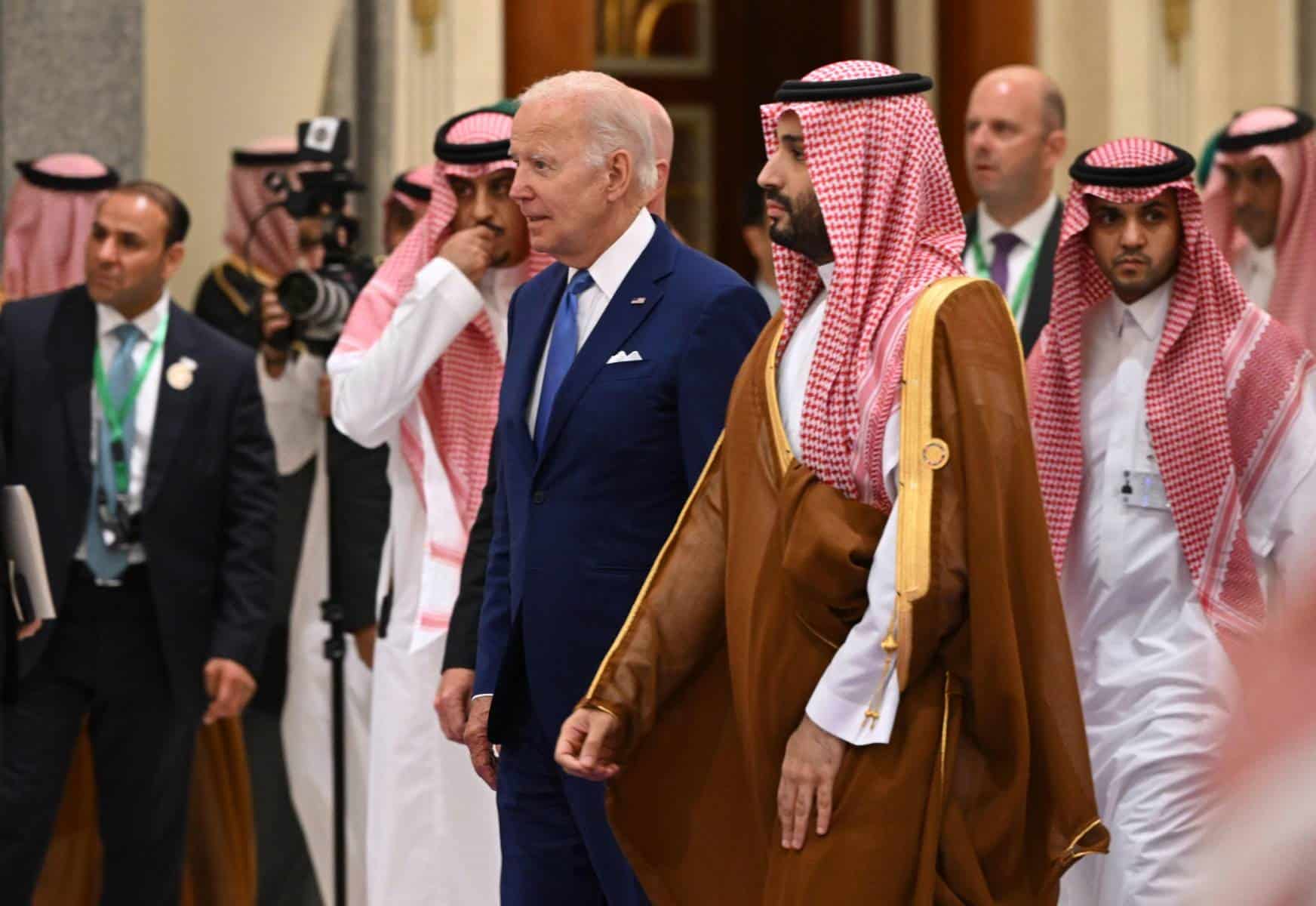


Riyadh, Saudi Arabia – In recent days, speculation has grown about the Biden administration’s attempts to broker a normalization agreement between Israel and Saudi Arabia. This potential diplomatic breakthrough, akin to climbing Mount Everest, has significant implications for the Middle East and global geopolitics. While the road ahead is fraught with challenges, a successful agreement could reshape the region.
Brian Katulis, a senior fellow and vice president of policy at the Middle East Institute, outlines the five critical factors to watch as these diplomatic efforts unfold.
US-Saudi Bilateral Ties: The health and stability of the US-Saudi relationship are crucial to the negotiations. Discussions span various domains, including security, nuclear cooperation, energy, and technology. Though progress has been made, deep-rooted mistrust remains. Addressing concerns surrounding arms sales and nuclear cooperation is pivotal for building a more stable foundation.
US-Israeli Bilateral Ties: Similar trust deficits plague US-Israeli relations, extending beyond individual leaders. Israel’s actions and strains on its democracy have strained ties, while concerns about alignment on key global issues have amplified doubts. Ensuring the Israeli government’s actions align with broader regional goals, like the Abraham Accords, is vital.
The Palestinian Factor: The Palestinian question remains central to regional stability. Millions of Palestinians living in limbo obstruct progress. Any normalization accord should acknowledge the Palestinian dimension to maximize potential benefits and stability.
Geopolitical Conditions: The broader Middle East is navigating opposing trends, including de-escalation attempts and rising instability. Iran’s actions and nuclear program add uncertainty, while global power dynamics have shifted. Crafting a comprehensive diplomatic approach requires accounting for these influences.
US Political Landscape: US politics, particularly the upcoming 2024 election, play a role. Partisan divisions and tribalism can hinder progress. While trans-partisan efforts have emerged on other global challenges, navigating the current political environment poses a challenge.
Brokering a successful Israel-Saudi normalization deal requires meticulous consideration of these five factors. Trust-building, alignment of interests, addressing Palestinian concerns, geopolitical awareness, and navigating domestic politics are essential for sustainable progress. While the path ahead is complex, achieving lasting results would mark a significant diplomatic achievement with far-reaching implications.