
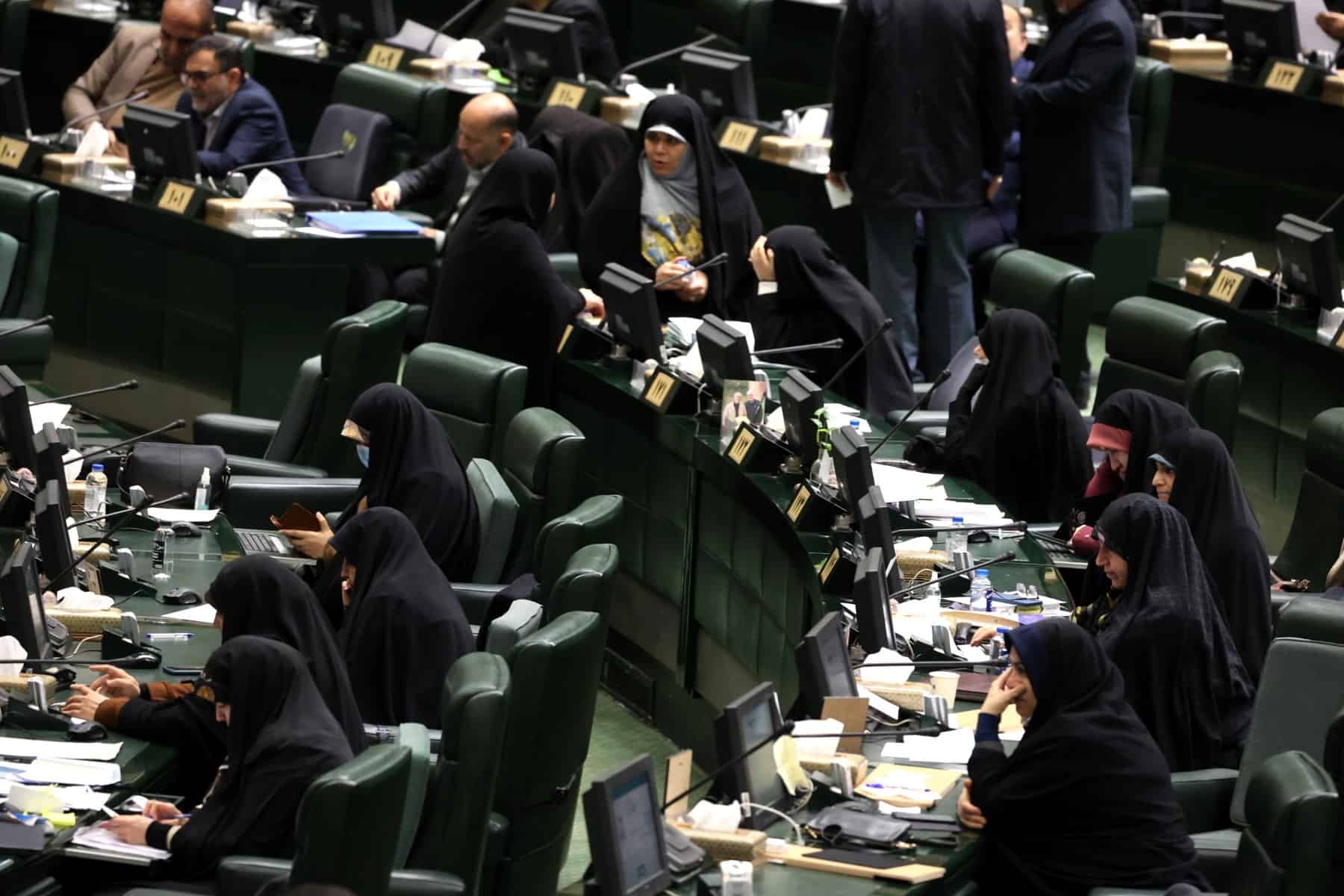


TEHRAN, IRAN – Iran’s parliament has adopted proposals to toughen penalties for perpetrators of violence against women which could be voted into law within months, state media has reported.
Initiated more than 10 years ago, discussions in parliament led to the adoption on Sunday of the general principles of a draft bill called “preventing harm to women and improving their safety against misbehavior”, IRNA news agency reported.
The text, which can still be modified, could be formally promulgated into law in the coming months.
The move comes almost seven months after the start of a nationwide protest movement sparked by the September 16 death in custody of Mahsa Amini. The 22-year-old Iranian of Kurdish ethnicity had been arrested for allegedly flouting the country’s strict dress code for women.
In recent years, human rights defenders have urged Iranian authorities to reform the law on the protection of women and to toughen penalties for domestic violence.
According to the text agreed upon on Sunday, courts could sentence to up to 15 years in jail a man convicted of murdering his wife if the victim’s family rejects the sentence of qesas (Iran’s Islamic law of retribution) – five years more than the current maximum sentence.
The publication of pornographic images without a woman’s consent and forcing a woman to marry against her will would also be considered a crime, according to the text.
It also allows the judiciary to provide married women with a permit to leave the country even if their husband prevents them from traveling abroad.
The debate over this issue arose in 2015 when the husband of the captain of the women’s national football team prevented her from taking part in the Asian Cup.
Iran’s supreme leader Ayatollah Ali Khamenei, who has the final say in major state policies, had in January called for a tougher law to protect women.
“In our society, women are oppressed in some families,” Khamenei said at the time, adding: “If the law does not protect a woman, a man may abuse her.”
“The solution is for the laws related to the family to be so strong that no man can oppress women,” the supreme leader said.