
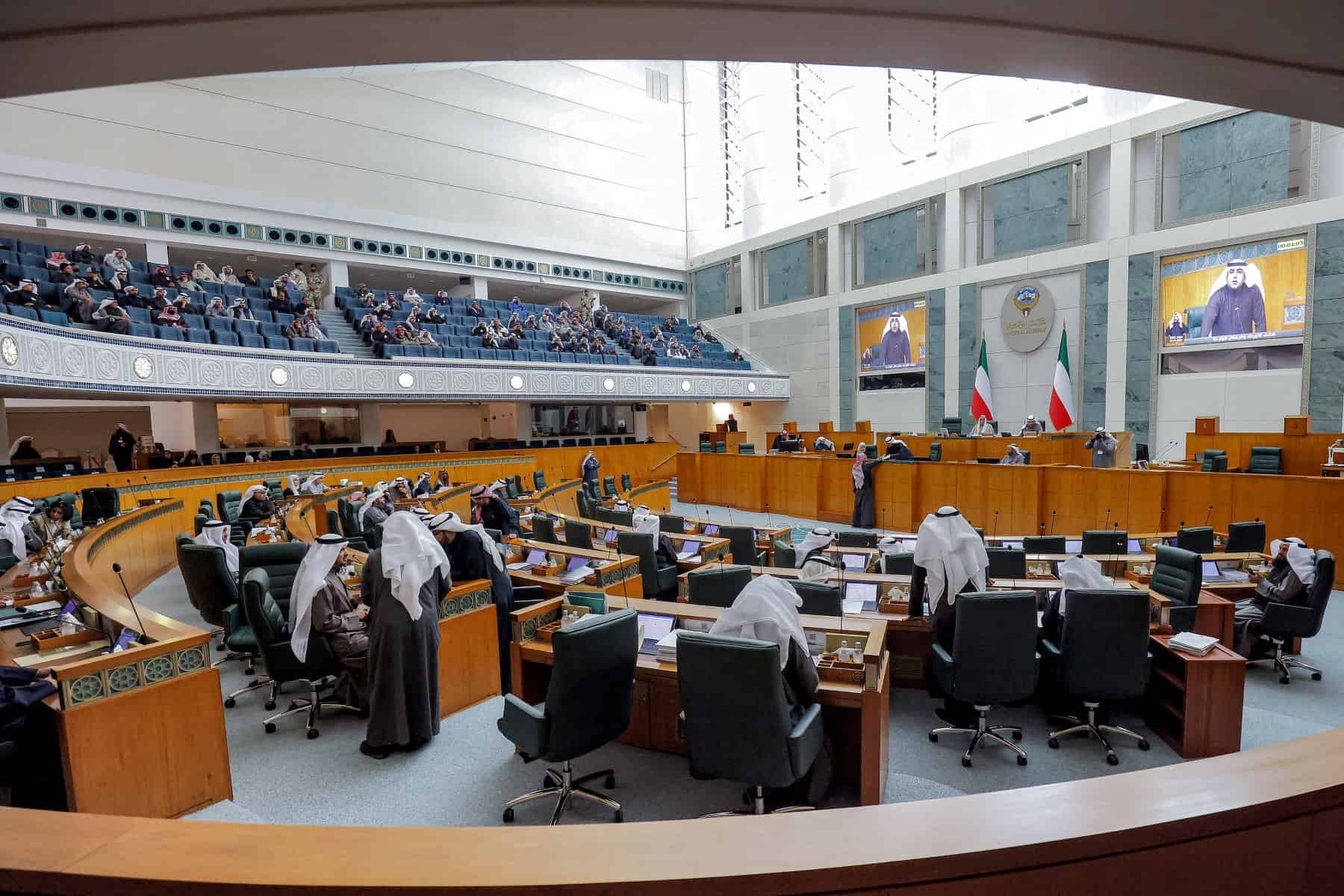

Kuwait City, Kuwait–Kuwait’s emir dissolved parliament on Monday and called a new general election, continuing a political crisis between parliament and the executive that has stalled reforms.
Despite being the only Gulf Arab state to have an elected government, the emirate — one of the world’s largest producers of crude oil — remains mired in political turmoil.
On April 9, its seventh new government in three years was announced after the previous government resigned in January just three months after taking office.
Kuwait adopted a parliamentary system in 1962, but repeated political crises have caused state paralysis.
The country suffers from constant stand-offs between elected lawmakers and cabinets installed by the reigning Al-Sabah family, which keeps a firm grip on political life.
In March, the constitutional court nullified the results of legislative elections held last year — in which the opposition won the most seats — and ruled to reinstate the previous parliament instead.
“In accordance with the Constitution, we have decided to dissolve the 2020 National Assembly, which was reinstated by the decision of the Constitutional Court,” Crown Prince Meshal al-Ahmad al-Jaber Al-Sabah said, reading a speech by the emir.
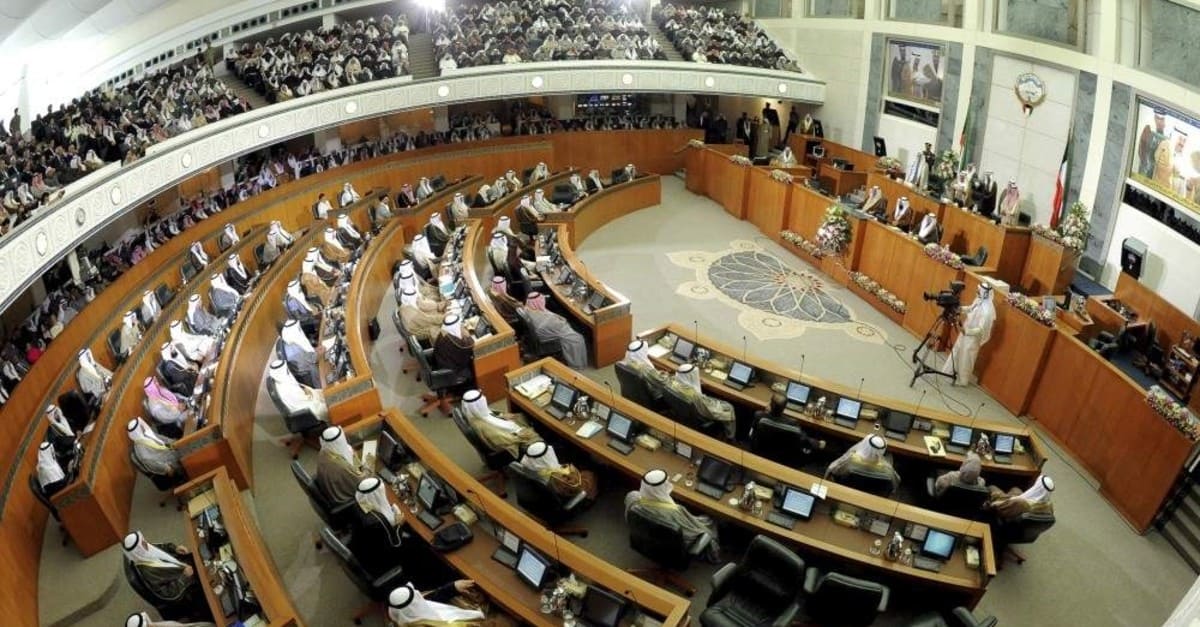
The emir, 85-year-old Nawaf al-Ahmad Al-Sabah, has stepped back from political life in favour of the crown prince, 82.
In the speech, broadcast by state television, the crown prince said an election would be held “in the period to come”.
Unlike other Gulf Arab states, Kuwait has a vigorous political life in which MPs and civil society regularly take the authorities to task.
However, the Al-Sabahs keep a firm grip on ministerial portfolios, reserving key cabinet posts for members of the family.
The lack of stability in Kuwait has scared off investors and dashed hopes of reform in a wealthy country struggling to diversify in similar ways to Gulf powerhouse Saudi Arabia, the United Arab Emirates and Qatar.