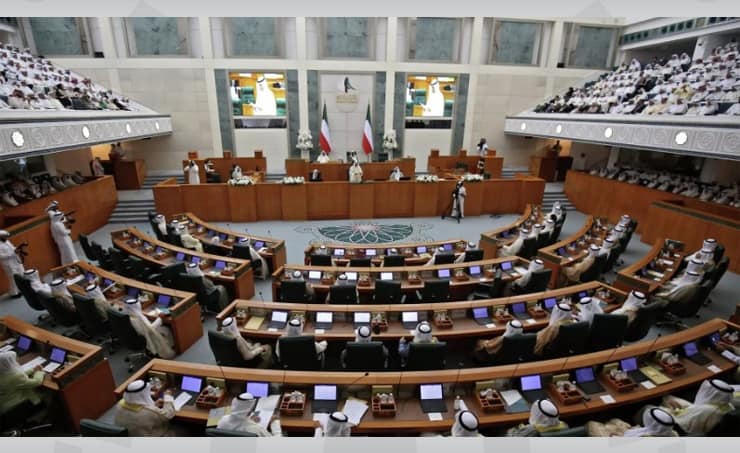

Kuwait – Kuwait’s Constitutional Court has upheld a previous ruling that declared the September 2022 parliamentary election void, in which the opposition had made gains, Reuters reported.
The court rejected an appeal against this decision, which was filed by members of the 2022 parliament who argued that the court had exceeded its powers by declaring the parliament void.
As a result of the court’s decision, legislative elections are set to proceed on June 6. Following the dissolution of the 2022 parliament in March, the parliament was temporarily reinstated with the composition from the 2020 elections. However, in May, it was once again dissolved by a royal decree to pave the way for fresh elections in June.
Kuwait, an OPEC member and a Gulf state, has experienced ongoing political disputes between the government and the elected parliament, impeding fiscal reforms. While political parties are banned in Kuwait, candidates are allowed to run as independents.
The Kuwaiti legislature holds more influence compared to similar bodies in other Gulf monarchies, and political stability has traditionally relied on cooperation between the government and parliament.
Unlike other Gulf Arab states, Kuwait has a vigorous political life in which MPs and civil society regularly take the authorities to task.
However, the Al-Sabahs keep a firm grip on ministerial portfolios, reserving key cabinet posts for members of the family.
The emir, 85-year-old Nawaf al-Ahmad Al-Sabah, has stepped back from political life in favour of the crown prince, 82.
The lack of stability in Kuwait has scared off investors and dashed hopes of reform in a wealthy country struggling to diversify in similar ways to Gulf powerhouse Saudi Arabia, the United Arab Emirates and Qatar.