
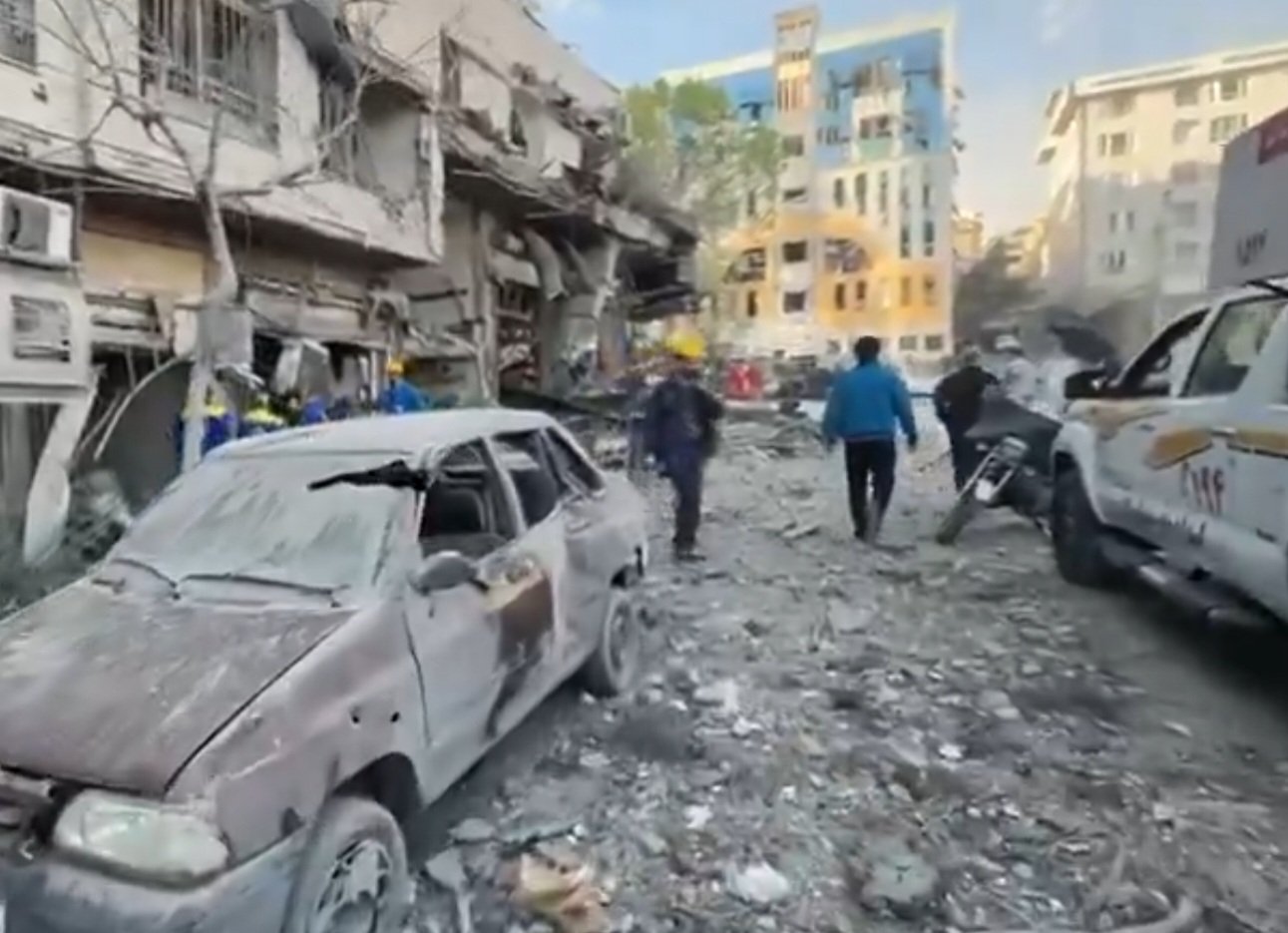


Dubai, UAE — The United Nations Development Programme warned on Monday that ongoing military escalation in the Middle East could push more than 30 million people into poverty across 162 countries, as the economic fallout spreads far beyond the immediate conflict zone.
According to a new UNDP policy brief, the impact is most severe in countries directly affected by the fighting and those reliant on imported energy. However, poorer nations geographically distant from the conflict are also expected to face significant long-term setbacks.
The analysis, based on Global Trade Analysis Project modelling, evaluates scenarios ranging from short disruptions to prolonged shocks lasting up to eight months. Now in its sixth week, the crisis is shifting from an “acute” to an “enduring” phase, raising the risk of deeper economic damage if instability persists.
Under the worst-case scenario, an additional 32 million people could fall into poverty, the UNDP said.
“War is development in reverse. Conflict can undo in weeks what countries have built over years,” said UNDP Administrator Alexander De Croo, adding that the economic shock disproportionately affects countries with limited fiscal capacity to absorb rising energy and food prices.
The agency warned that governments in vulnerable economies face difficult trade-offs between stabilising prices and maintaining spending on health, education and employment.
To mitigate the impact, the UNDP urged policymakers to implement targeted and temporary cash transfers as a first line of defence. It is estimated that up to $6 billion may be required, depending on the severity of the crisis.
Additional measures include temporary subsidies or vouchers for essential energy consumption, while cautioning against broad-based energy subsidies that tend to benefit wealthier households and strain public finances.